





First, Plan Your Green Corner
Before you rush to the nursery, take a moment to assess your space. Observe how much sunlight your balcony gets and at what times of day. An east-facing balcony receives gentle morning sun, ideal for many flowers and herbs. A west-facing one gets harsh
afternoon sun, requiring heat-tolerant plants. South-facing balconies get the most sun, while north-facing ones are the shadiest. Also, consider your rental agreement. While most landlords are fine with pots, it's wise to check for any rules about drilling or hanging items from railings. Finally, think about weight. Wet soil is heavy, so be mindful of your balcony's load capacity, especially in older buildings.
Choose the Right Plants for Indian Balconies
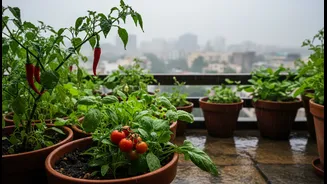
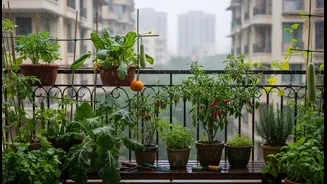
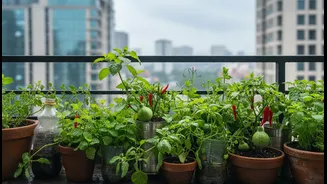
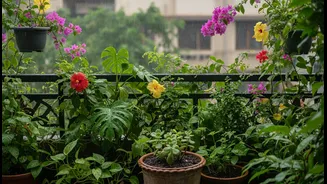
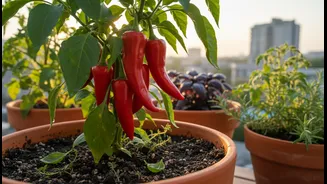
The key to a thriving balcony garden is selecting plants suited to your specific conditions. For sunny balconies, heat-loving plants like Bougainvillea, Hibiscus, Marigold, and Portulaca are excellent choices. If your space is shadier or north-facing, opt for foliage-rich plants like the Money Plant, Snake Plant, and Peace Lily. For a touch of fragrance, Mogra (Arabian Jasmine) and Parijaat release beautiful scents in the evening. And don't forget edibles! Herbs like Tulsi (Holy Basil), Mint (Pudina), and Curry Leaves grow wonderfully in pots, as do vegetables like chillies and cherry tomatoes.
Think Vertically and Get Creative with Space
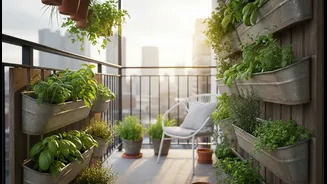
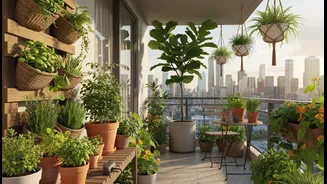
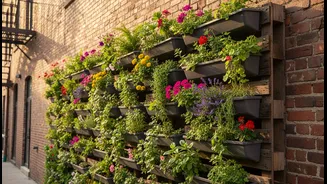
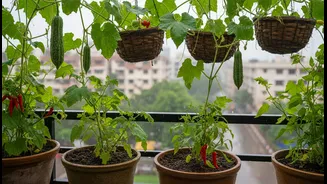
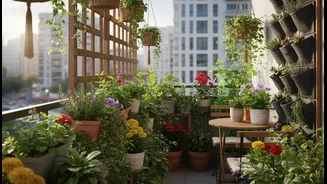
In a compact space, the only way to go is up. Vertical gardening is your best friend. Utilize wall space with mounted planters, tiered stands, or even a repurposed old ladder or bookshelf to stack pots. Railing planters are fantastic for freeing up floor space and are perfect for trailing flowers or herbs. Hanging baskets can add layers and a sense of fullness, creating a lush canopy effect. Don't be afraid to get creative by repurposing items like old crates, cans, or buckets into unique planters, which adds a personal touch to your green nook.
Smart Potting for Rented Spaces
Since you're renting, portability is key. Opt for lightweight containers like those made from high-quality plastic, resin, fiberglass, or fabric grow bags. These are much easier to move than heavy terracotta or ceramic pots and place less strain on the balcony structure. Whatever material you choose, ensure every pot has drainage holes at the bottom. Without proper drainage, water will stagnate, leading to root rot, which is a common reason container plants fail. Using a good quality, well-draining potting mix is also crucial, as garden soil becomes too dense and compact in pots.
Watering Wisdom and Plant Care
Container plants, especially on a windy or sunny balcony, can dry out faster than plants in the ground. The best way to check if a plant needs water is the finger test: poke your finger about an inch into the soil. If it feels dry, it's time to water. It's generally best to water in the early morning or evening to reduce evaporation. Keep an eye out for common pests like aphids and mealybugs. A simple spray of neem oil solution is often an effective and organic way to keep them at bay. Regular pruning of dead leaves and spent flowers will also encourage new growth and keep your plants looking healthy.