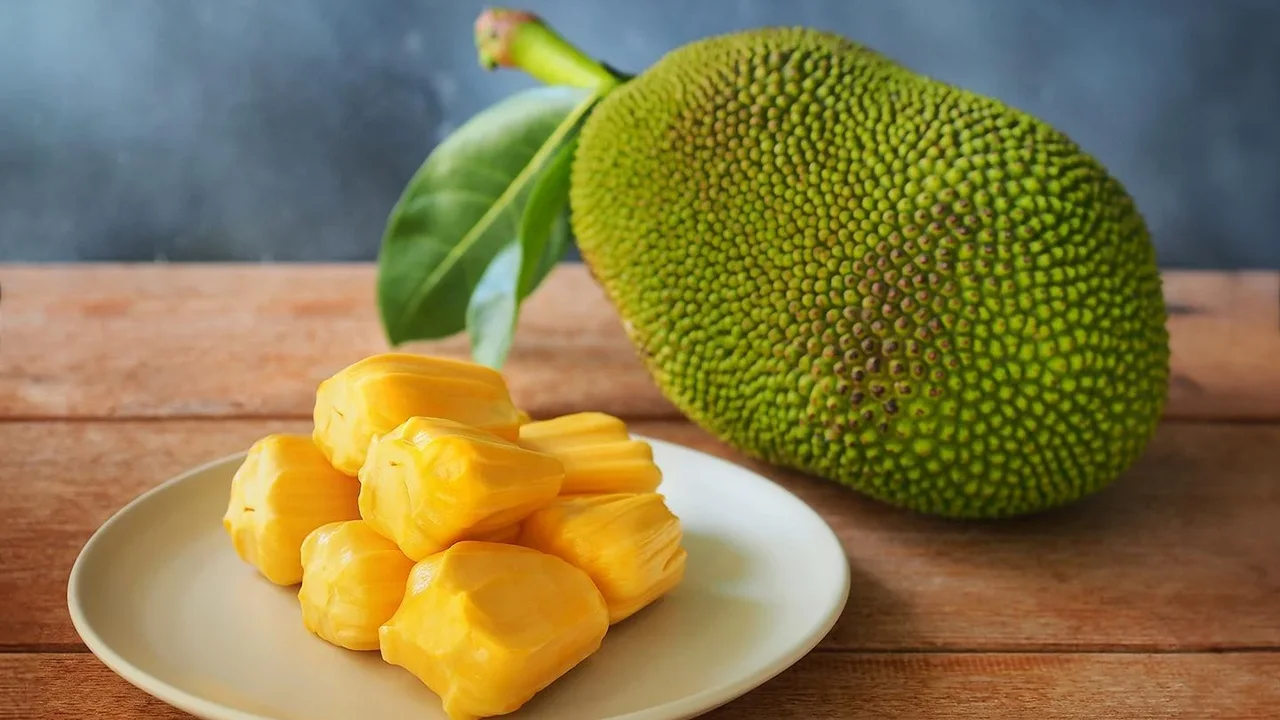








What Exactly Is Jackfruit?
If you're new to jackfruit, you're in for a pleasant surprise. Native to southern India, this tropical giant is the world's largest edible fruit. But here's the key: for savory dishes, you don't want the sweet, ripe version. The magic lies in young, green
jackfruit, which is typically sold canned in brine or water. When unripe, its flesh has a neutral flavour and a firm, fibrous texture that remarkably mimics shredded meat like pulled pork or chicken. This unique quality makes it a perfect canvas for your favourite seasonings and sauces, absorbing them beautifully without overpowering them with a fruity taste. It has become a staple in plant-based cooking for everything from curries to tacos, and now, sliders.
A Surprising Nutritional Profile
Beyond its texture, jackfruit brings some notable health benefits to the table. As the headline suggests, it's a good source of dietary fiber, which is crucial for digestive health, helping to prevent constipation and promote a healthy gut. A single cup of raw jackfruit can provide around 2.5 grams of fiber. It’s also packed with essential vitamins and minerals, including a significant amount of vitamin C for immune support and potassium, which contributes to heart health by helping to manage blood pressure. Additionally, jackfruit contains antioxidants like carotenoids and flavonoids, which help fight inflammation. It’s important to note, however, that while it’s a great meat substitute texturally, jackfruit is not high in protein, so it’s best viewed as a fruit component of your meal rather than a primary protein source.
Why the Air Fryer Works Wonders
While you can prepare jackfruit in a skillet or oven, the air fryer offers a distinct advantage for creating the perfect slider filling. This popular kitchen gadget circulates hot air at high speed, creating a cooking environment that crisps the exterior of the jackfruit while keeping the inside tender and moist. The result is a delightful textural contrast—crispy, slightly caramelized edges that mimic the sought-after 'bark' on slow-cooked barbecue, combined with a soft, shreddable interior. This method is not only faster than oven-baking but also requires less oil, making it a healthier way to achieve that irresistible fried texture. For jackfruit, a short time in the air fryer, around 10-15 minutes at a high temperature, is often all that's needed to transform it into a delicious, slider-ready filling.
From Can to Perfection
Preparing canned jackfruit is the most crucial step for success. Start with a can of young, green jackfruit packed in brine or water, not syrup. The first thing you'll want to do is drain it thoroughly and give it a good rinse to wash away the briny flavour. Next, get hands-on. Using your fingers or a fork, shred the jackfruit pieces, separating the stringy fibers from the tougher core sections and seed pods, which can be discarded. To ensure a crispy outcome in the air fryer, pat the shredded jackfruit as dry as possible with a clean kitchen towel. Once dry, toss it in a bowl with your favourite seasonings—smoked paprika, garlic powder, onion powder, and a touch of cumin work wonders—before adding your barbecue sauce. Let it marinate for a few minutes to absorb all those flavours before it hits the air fryer.
Assembling the Ultimate Slider
With your jackfruit prepped and ready, spread it in a single layer in your air fryer basket, possibly using a small pan insert to prevent pieces from falling through. Air fry at around 200°C for 10-15 minutes, shaking the basket halfway through, until the edges are browned and crispy. Once cooked, toss the hot jackfruit with a generous amount of your favourite barbecue sauce. Now for the fun part: assembly. Toast some soft slider buns and pile on the saucy jackfruit. These sliders are fantastic when topped with a creamy, crunchy coleslaw, which provides a cool, tangy contrast to the smoky, savoury filling. A few pickle slices can also add a welcome acidic crunch. Serve them immediately for a high-fiber, flavour-packed snack that's sure to impress.