






The Anatomy of Travel Anxiety
According to the SITA 2026 Passenger IT Insights report, which surveyed nearly 8,000 travellers across 24 countries, the anxiety isn't just about a fear of flying. The biggest frustrations are operational: the fear of flight delays and cancellations,
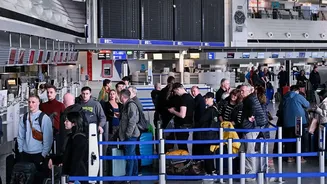
long queues, crowded terminals, and the persistent worry about whether checked baggage will arrive safely at the destination. The core of this stress, the report suggests, comes down to a lack of information and a feeling of powerlessness. Passengers are most worried about not knowing what will happen next. In fact, travel-related stress is so significant that 42% of passengers admitted to having avoided booking a trip altogether because they expected the experience to be too stressful.
The Airport's Critical Stress Point
The report identifies a specific period as an anxiety hotspot: the time spent in the terminal between clearing security and boarding the plane. One-third of all travellers now report feeling anxious during this phase, a figure that is three times higher than it was in 2023. This 'dwell time' should ideally be a relaxed period for passengers to shop, eat, or rest. Instead, it has become a significant source of negative emotions. This rising anxiety has commercial consequences, as SITA's research found that 37% of travellers would likely spend more money in airport shops and restaurants if their journey were less stressful.
Technology: The Double-Edged Sword
While travel has become more digital, technology can be both a solution and a source of frustration. The good news is that passengers overwhelmingly believe technology can help. Eight in ten travellers think digital tools can reduce the stress of flying, a belief held even more strongly by frequent flyers (89%) and travellers under 30 (86%). Passengers are calmest during check-in and boarding, stages where the journey is often managed on their phones. The demand is for this same level of control and information to be extended across the entire journey. This includes real-time updates on delays, clear directions to a new gate, and tracking for their luggage, with four in ten travellers open to receiving these updates from AI.
Plan Ahead to Reduce Stress
The most effective way to combat travel anxiety begins long before you leave for the airport. Preparation is key to feeling in control. Start by making detailed lists for packing and any last-minute tasks. Organising your documents—passport, tickets, and any required health forms—in one accessible place can prevent a frantic search later. Research your destination, including local transport options and the location of your accommodation. Pack smart by bringing items that provide comfort, like a neck pillow, noise-cancelling headphones, or a familiar snack. Having these small comforts can provide a sense of security during a stressful journey.
Navigating the Airport with Calm
On the day of your flight, give yourself more time than you think you need. Rushing is a primary stress trigger. Eat a good meal and stay hydrated, but consider avoiding excess caffeine or sugar, which can heighten feelings of anxiety. Once at the airport, practice mindfulness to stay grounded. If you feel overwhelmed, focus on your breathing—inhale slowly, hold for a count of four, and exhale slowly. Distraction can also be a powerful tool. Download a few episodes of a podcast, create a calming music playlist, or bring a book to keep your mind occupied during long waits. Many people find that focusing on the positive aspects of the trip, like the people they will see or the new experiences they will have, can help reframe their mindset from one of anxiety to one of excitement.