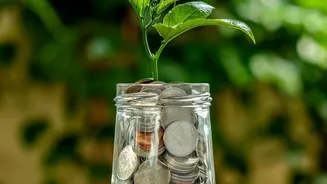








Set a Clear Savings Goal
Before you can save, you need to know what you’re saving for. An emergency fund is a safety net for unexpected life events like a job loss, medical crisis, or urgent home repair. A common guideline is to save three to six months' worth of essential living
expenses. For households in India, this can vary based on your specific situation; a single person with a stable job might aim for three months, while a family with dependents or a self-employed individual might target nine to twelve months. To calculate this, list your non-negotiable monthly costs: rent or EMI, groceries, utilities, insurance premiums, and transportation. This is your target. Don't let a large number intimidate you; having a clear goal is the first step toward achieving it.
Create a Simple Budget
To find money to save, you must understand where your money is going. Tracking your spending for a month can reveal surprising patterns. A simple and popular method is the 50/30/20 rule. This framework suggests allocating 50% of your after-tax income to 'needs' (essentials like housing and food), 30% to 'wants' (lifestyle expenses like dining out and entertainment), and 20% to savings and debt repayment. This approach doesn't require complex spreadsheets; it simply provides a clear structure to ensure you prioritize your financial goals while still allowing for some flexible spending. Adjust the percentages to fit your circumstances, but the key is to treat savings as a non-negotiable expense.
Pay Yourself First Through Automation
The single most effective way to ensure you save consistently is to automate the process. Don't wait until the end of the month to see what's left over. Instead, set up an automatic transfer from your primary bank account to a dedicated savings account right after you get paid. This “pay yourself first” strategy treats savings like any other bill, ensuring it gets paid before you have a chance to spend the money elsewhere. It removes the need for constant willpower and turns saving into a regular habit. Even a small, consistent amount transferred regularly can add up significantly over time, building your fund without you having to think about it.
Keep Your Funds Separate and Accessible
An emergency fund should be liquid, meaning you can access it quickly when needed. However, it shouldn't be too accessible. Keeping your emergency savings in a separate account from your everyday checking or salary account is crucial. This separation creates a psychological barrier, reducing the temptation to dip into it for non-emergencies like a new phone or a vacation. For an Indian context, experts often recommend a tiered approach: keep one to two months' of expenses in a high-yield savings account for instant access, and the rest in slightly higher-earning but still liquid options like liquid mutual funds or sweep-in fixed deposits. This strategy balances immediate accessibility with better returns, helping your fund keep pace with inflation.
Cut Costs Mindfully
Finding extra cash for savings doesn't always require drastic lifestyle changes. Start by reviewing your non-essential spending. Cancel subscriptions you barely use, plan your meals to reduce food waste and expensive takeaways, and look for free entertainment options. Small adjustments, like brewing your coffee at home or choosing store brands over name brands, can free up more money than you'd expect. The goal isn't to deprive yourself, but to spend more intentionally. By making conscious choices about where your money goes, you can trim expenses in areas that matter least to you and redirect those funds toward your financial safety net.