



What Exactly Is Emmer?
Before it was the star of artisanal bakeries, emmer was one of humanity’s first cultivated crops. Often called farro in Italy, emmer is an “ancient grain,” meaning it has remained largely unchanged by modern breeding for thousands of years. It’s a variety
of hulled wheat that predates the common wheat we use for all-purpose flour today. Part of the “emmer wheat” family that also includes einkorn and spelt, it has been found in the tombs of Egyptian pharaohs and was a staple food for the Roman army. This rich history is part of its allure; baking with emmer feels like connecting to a forgotten culinary tradition, turning a simple loaf into a piece of living history.
A Unique Flavour Profile
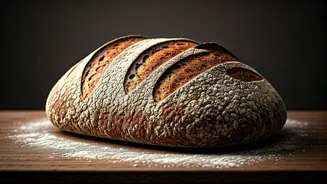
For bakers who have perfected their classic sourdough tang, emmer offers a delicious new dimension. Unlike the neutral canvas of conventional wheat, emmer flour has a distinct personality. It brings a robust, nutty, and slightly sweet flavour to the dough, with earthy undertones that can sometimes hint at caramel or roasted nuts. This complexity is what bakers are chasing. A loaf of emmer sourdough doesn't just taste 'sour'; it tastes of the grain itself. The resulting bread has a deep, satisfying flavour that stands on its own, needing little more than a spread of good butter. It transforms a familiar recipe into an entirely new sensory experience.
The Baker's Challenge (and Reward)
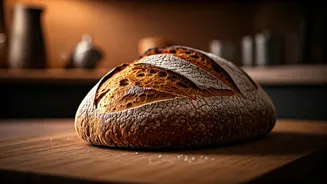
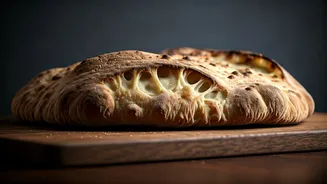
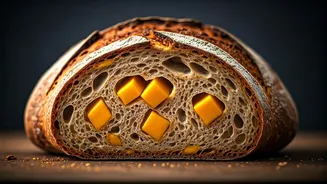
Emmer is not a simple substitute for modern bread flour, and that’s a feature, not a bug. This is where the “obsession” truly takes hold. Emmer has a different gluten structure — it’s higher in protein but its gluten is more delicate and less elastic. This means the dough can be stickier, weaker, and trickier to handle. It won’t form the same high, airy dome as a loaf made from strong bread flour. For the passionate home baker, this isn’t a deterrent; it’s an exciting new puzzle to solve. Mastering emmer requires skill, intuition, and a willingness to adapt. The reward is a beautiful, if slightly denser, loaf with a soft, moist crumb and a deeply burnished crust that’s uniquely its own.
More Than Just Good Taste
While flavour and challenge are the primary drivers, the perceived nutritional benefits of emmer add to its appeal. As an ancient grain, it packs a punch. It is generally higher in protein, fibre, and minerals like magnesium and zinc compared to modern wheat. Furthermore, its different gluten composition means some people who experience mild sensitivity to conventional wheat find emmer easier to digest. While it is not gluten-free and therefore unsafe for those with celiac disease, its unique properties make it an attractive option for health-conscious bakers looking to diversify their grain intake. The fermentation process of sourdough further enhances these benefits by breaking down anti-nutrients and making the grain even more digestible.
How to Join the Emmer Wave
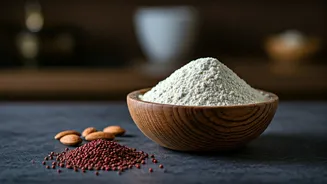
Curiositylüğ piqued? Getting started with emmer is easier than you think. You can find whole emmer berries or emmer flour at specialty food stores, well-stocked supermarkets, and online from mills that specialize in heritage grains. For your first attempt, it’s wise not to go all in. Most bakers recommend starting by substituting 20-30% of the bread flour in your favourite sourdough recipe with emmer flour. This will introduce you to its flavour and handling characteristics without overwhelming your process. As you get more comfortable, you can gradually increase the percentage, learning how to adjust your hydration and handling techniques to bring out the best in this incredible ancient grain.