


The Rise of a Softer, More Personal Style
For years, the dominant global trend was cool-toned minimalism. But a collective desire for comfort, calm, and a deeper connection to nature is reshaping our living spaces. In India, this translates to a design philosophy that is both globally aware and deeply
rooted. Homeowners are creating sanctuaries that serve as a respite from the hustle of urban life. This trend, often called 'Modern Organic' or 'Natural Chic', isn't about rejecting modernity, but enriching it. It blends the functionality of contemporary design with the warmth and authenticity of natural elements, creating homes that feel both stylish and soulful. The style also has roots in international trends like Japandi—a mix of Japanese wabi-sabi (finding beauty in imperfection) and Scandinavian hygge (a sense of coziness)—which resonates well in the Indian context.
The Modern Foundation: Clean, Functional, and Comfortable
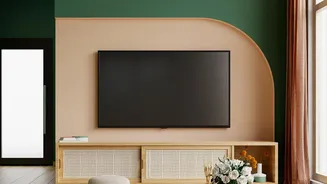
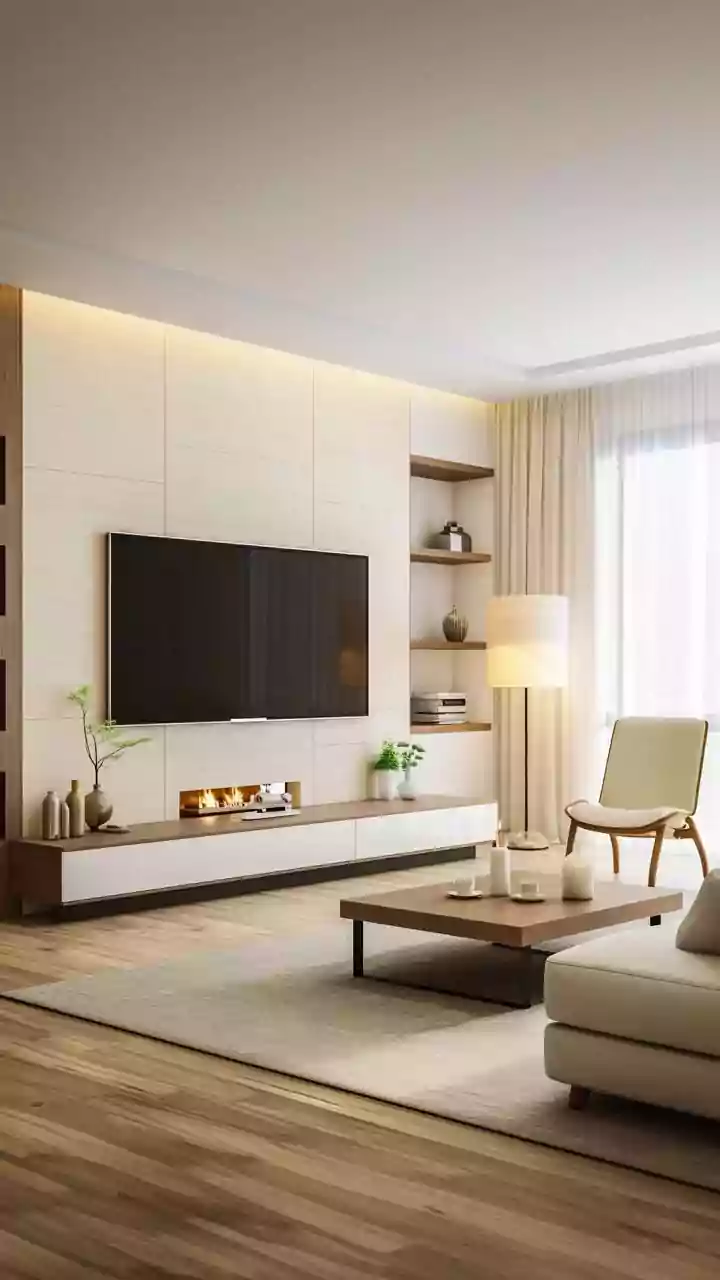
The “modern” in this equation refers to furniture with clean lines, uncluttered silhouettes, and a focus on functionality. Think sleek, low-profile sofas, minimalist shelving units, and multifunctional pieces that save space, a key consideration in urban Indian apartments. However, unlike the rigid minimalism of the past, comfort is paramount. The emphasis is on furniture with softer, curved edges that feel inviting. This modern foundation acts as a clean canvas, preventing the space from feeling overly rustic or cluttered. It’s about choosing pieces that are practical for everyday family life, from daily use to festive gatherings, ensuring the home remains functional and uncluttered.
Embracing Organic Materials and Earthy Textures
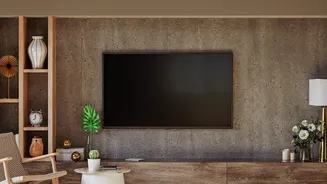
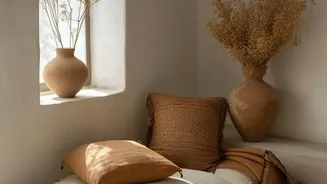
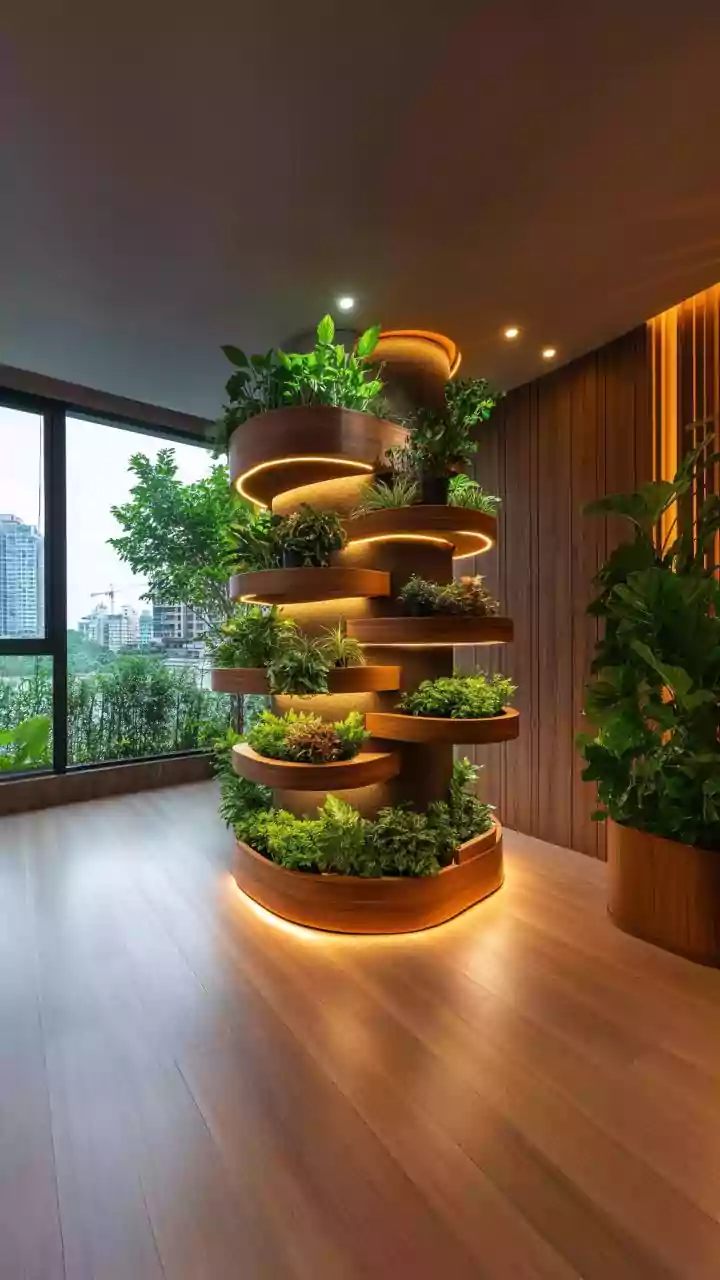
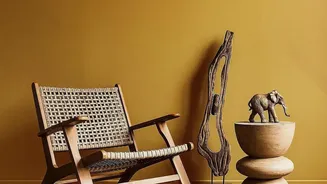
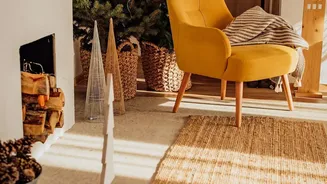
The soul of this trend lies in its use of organic materials. Wood is a cornerstone, with varieties like teak, sheesham, and mango wood bringing warmth and character to furniture, panels, and flooring. Alongside wood, natural fibres are essential for adding texture and softness. Jute rugs, cane chairs, rattan lampshades, and linen or khadi cushions are being used generously. These materials are not just decorative; they are part of a larger movement towards biophilic design, which aims to connect our indoor spaces with the natural world, promoting a sense of well-being. The colour palette complements these materials, shifting away from cool greys to earthy tones like terracotta, ochre, beige, and olive green.
The Crucial Role of Warm Lighting
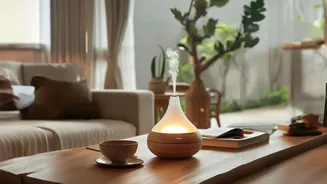
Lighting is no longer an afterthought; it is a key tool for creating mood and atmosphere. The trend is moving away from single, harsh overhead fixtures and cool, white light, which can feel sterile. Instead, designers are using a layered approach with multiple light sources. Ambient light is provided by warm-toned LED bulbs (around 2700K-3000K) often set into a false ceiling or from a central fixture. Task lighting illuminates specific areas like reading nooks, while accent lights are used to highlight artwork or architectural features. Fixtures themselves have become decorative elements, with handcrafted lamps made from bamboo, paper, or rattan adding an artisanal touch that enhances the organic aesthetic.
How to Achieve This Balanced Look in Your Home
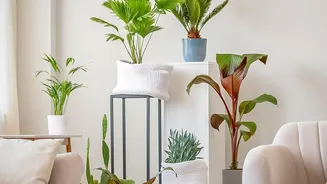
Adopting this style doesn't require a complete overhaul. Start by creating a neutral backdrop with earthy wall colours. Introduce organic textures through textiles; a jute rug, a few cotton cushions with block prints, or linen curtains can instantly soften a room. Incorporate natural elements like indoor plants, which purify the air and add a touch of life. When choosing furniture, look for a balance. Pair a sleek, modern sofa with a rustic wooden coffee table. Finally, assess your lighting. Swap out cool white bulbs for warm white ones and add a floor lamp or a couple of table lamps with fabric or rattan shades to create a cozy, inviting glow. The goal is to curate a space that feels personal, balanced, and deeply comfortable.