

Why Humidity Is a Problem for Pet Skin
While we enjoy the cooler temperatures, the high humidity of the monsoon creates a challenging microclimate on our pets' skin. A coat that remains even slightly damp becomes a warm, moist environment, which is an ideal breeding ground for bacteria and
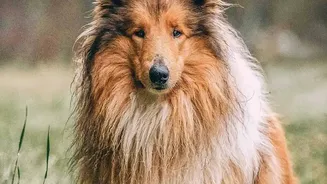
fungi. Normally harmless microbes, such as Malassezia yeast and Staphylococcus bacteria, can multiply out of control, leading to uncomfortable and sometimes painful infections. These conditions often manifest as acute moist dermatitis (hot spots), yeast dermatitis, or bacterial pyoderma. You might notice a musty odour from your pet’s coat, excessive scratching, redness, or even pus-filled sores. Long-haired and double-coated breeds are particularly susceptible, as their thick fur traps moisture close to the skin.
Paw Care: Your First Line of Defence
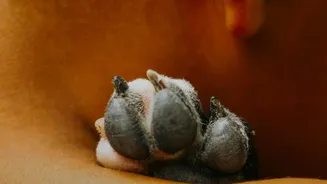
Your pet's paws are on the frontline during the monsoon, coming into direct contact with muddy paths and contaminated puddles. The spaces between their paw pads are particularly vulnerable, as moisture easily gets trapped, leading to painful interdigital infections and yeast overgrowth. This is why a strict paw-cleaning routine is non-negotiable. After every single walk, take the time to thoroughly wash and, most importantly, dry your pet's paws. Use a soft towel and pay special attention to the area between the toes. A quick daily inspection for any redness, swelling, or debris can help you catch potential issues before they escalate. For added protection, some vets recommend using a pet-safe paw balm before walks to create a barrier against moisture.
The Importance of a Thoroughly Dry Coat
Simply toweling your pet off after a wet walk is often not enough, especially in humid weather. The surface of the coat might feel dry, but the undercoat can retain dampness for hours. This trapped moisture is a primary cause of hot spots—angry, raw patches of skin that can appear very quickly. For a truly effective drying routine, use an absorbent microfibre towel to get into all the hidden spots like armpits, the groin area, and under the collar. For pets with thick coats, investing in a pet-friendly dryer or blower used on a low-heat setting can be a game-changer, ensuring the skin itself is completely dry. Regular brushing also plays a key role, as it helps to remove loose fur, prevent matting that traps dampness, and improve air circulation to the skin.
Adjusting Your Grooming and Home Routine
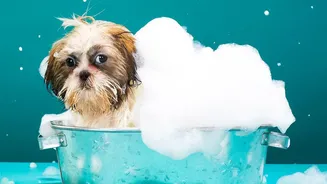
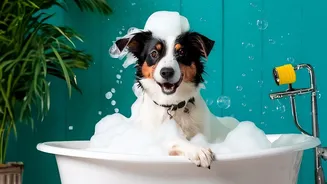
Monsoon care extends beyond post-walk clean-ups. You may need to adjust your bathing schedule; over-bathing can strip the skin of its natural protective oils, making it more vulnerable to infection. Instead, focus on keeping your pet dry and brushed. When a bath is necessary, use a gentle, vet-approved antibacterial or antifungal shampoo as a preventative measure. Inside your home, humidity can also be a problem. Wash your pet’s bedding more frequently, at least once or twice a week, to prevent fungal growth in damp fabric. Ensuring their sleeping area is always clean and dry provides a safe haven from the persistent dampness of the season.
When to Consult a Veterinarian
Preventative care is powerful, but some situations require professional help. It’s important to monitor your pet’s skin and behaviour closely during the monsoon. If you notice any signs that don't resolve quickly, it’s time to call the vet. Key warning signs include persistent and intense scratching or licking, spreading redness or rashes, hair loss, crusty or scaly patches, and any foul odour from the skin or ears. Pus-filled lesions, pain, or sudden changes in your pet’s energy levels are also clear indicators that a veterinary consultation is needed immediately. Early intervention can prevent a minor irritation from becoming a serious and painful systemic infection.