


What Exactly Are CAFE-III Norms?
Think of CAFE norms as a report card for a car manufacturer's entire fleet, not a test for a single model. Set to be implemented from April 2027 to March 2032, these rules mandate a significant, progressive reduction in the average carbon dioxide (CO2)
emissions across all vehicles a company sells in a year. The target for a company is linked to the average weight of the cars it sells; manufacturers with a heavier average fleet get a slightly more lenient CO2 target than those with a lighter fleet. This means a company selling mostly large SUVs has a different target than one selling mostly small hatchbacks. The overarching goal is to push the entire industry towards greater fuel efficiency and lower emissions, with the fleet-wide target becoming stricter each year through 2032.
The Small Car Conundrum
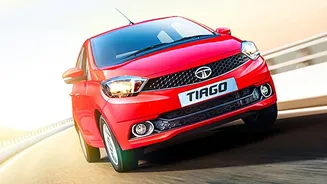
For manufacturers that dominate the small car segment, like Maruti Suzuki, CAFE-III presents a unique and difficult challenge. Small cars are already highly fuel-efficient. It is technologically much harder and more expensive to squeeze extra kilometres per litre from a lightweight car that already delivers excellent mileage. The law of diminishing returns is in full effect. While a previous draft of the norms had considered a special concession for small cars, the final rules did away with this, instead altering the overall formula to be slightly more favourable to lighter vehicle fleets than initially proposed. However, the fundamental problem remains: implementing advanced technologies like strong hybrid systems or significant engine downsizing with turbochargers would disproportionately increase the price of an entry-level car. This risks making affordable cars unaffordable, potentially pushing first-time buyers out of the market entirely.
The Large Car and SUV Challenge
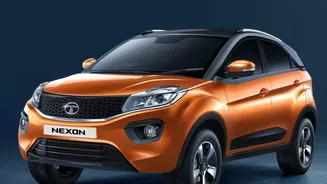
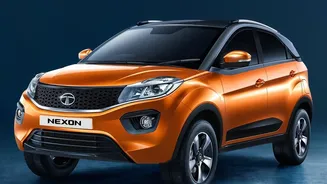
Makers of larger, heavier vehicles like SUVs and premium sedans face a different kind of pressure. Their vehicles are inherently less fuel-efficient, which pulls down their corporate average. To meet the aggressive CAFE-III targets, they must make substantial improvements. Their primary route involves investing in expensive technologies like strong hybrid systems, which can power a vehicle on electricity for short distances, or accelerating their transition to fully electric vehicles (EVs). The key difference is that the high sticker price of an SUV can more easily absorb the significant cost of a strong hybrid system. A price hike of two lakh rupees is less jarring on a twenty-lakh-rupee SUV than on a six-lakh-rupee hatchback. Automakers in this space have more financial wiggle room and can leverage the higher margins of their premium products to fund this technological shift.
Technology, Hybrids, and EVs as Lifelines
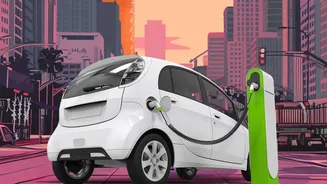
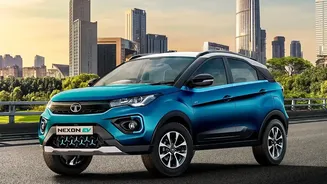
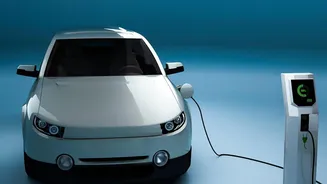
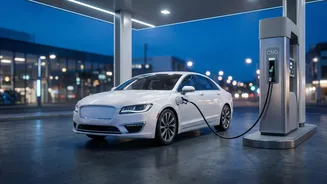
The CAFE-III regulations are designed to incentivise specific technologies. The rules provide several pathways for compliance, including credits for selling EVs, hybrids, and cars that run on alternative fuels like ethanol-blended petrol. Battery Electric Vehicles (EVs) receive the biggest compliance advantage, being counted as three vehicles in a company's fleet calculation. Strong hybrids also get a significant boost with a 1.6x multiplier. This system heavily encourages automakers to balance their portfolio of traditional petrol and diesel cars with these cleaner alternatives. It explains the recent industry-wide pivot towards strong hybrids and a more aggressive EV roadmap from nearly every major player. Technologies like start-stop systems, regenerative braking, and even LED lighting can also earn manufacturers small credits.
What This Means for the Indian Car Buyer
Ultimately, these industry challenges will reshape the showroom for the average consumer. We can expect car prices to rise across the board as manufacturers invest in new technologies to comply with the norms. The era of the purely internal combustion engine is facing immense pressure, meaning more hybrid and electric options will become standard offerings rather than niche products. For the budget-conscious buyer, the beloved small, affordable hatchback may become a rarer sight or see its price edge uncomfortably upward. For the SUV buyer, the next-generation model is very likely to come with a standard hybrid system. The regulations essentially create a market where manufacturers must sell a certain mix of cleaner cars to offset their more conventional models, influencing product strategy and what cars are ultimately available for purchase.