




The Morning Sugar Rush
For decades, the default breakfast spread in many Indian households has been a brightly coloured jam or a chocolate-hazelnut spread, both loaded with sugar, preservatives, and refined oils. While convenient, these options offer little nutritional value,
leading to a quick energy spike followed by an inevitable crash. As consumers become more health-conscious, they are increasingly scrutinising labels and seeking alternatives that align with a wellness-focused lifestyle. This growing awareness has created a significant market gap, one that savvy young entrepreneurs are eager to fill. The demand is shifting from empty calories to nutrient-dense, functional foods that do more than just taste good.
An Idea Born from a Need
Like many successful startups, the idea for spiced nut and seed butters often begins with a personal quest. The founders, typically young professionals or recent graduates, notice the lack of healthy, ready-to-eat options for their own busy lives. Many startup stories in India’s food sector begin in a home kitchen, fuelled by a desire to recreate a healthier version of a beloved food or solve a personal dietary problem. Frustrated by the choice between bland health food and tasty but unhealthy spreads, these innovators start experimenting. They leverage traditional Indian knowledge of spices and local ingredients to create something uniquely suited to the modern Indian palate.
From Kitchen Lab to Market Launch
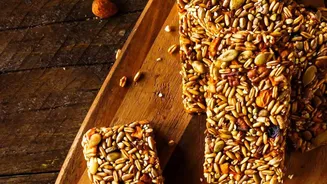
The journey from a kitchen experiment to a commercial product is fraught with challenges. It involves countless hours perfecting recipes, sourcing high-quality nuts like almonds and cashews, and seeds such as pumpkin, chia, and flax. Unlike mass-produced goods, these artisanal brands pride themselves on what they leave out: no palm oil, no refined sugar, and no artificial preservatives. Instead, they might use natural sweeteners like jaggery or dates and blend in a mix of Indian spices—cardamom, cinnamon, ginger—to create complex, appealing flavours. This dedication to 'clean-label' products is a key differentiator in a crowded market and a major draw for consumers who are wary of industrial food production.
More Than Just Peanut Butter
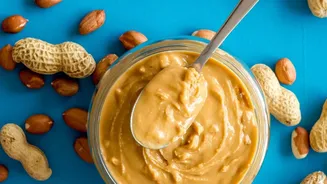
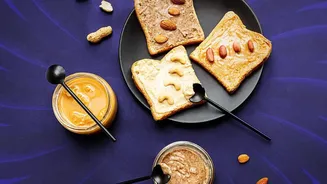
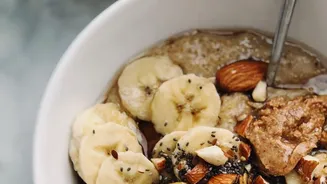
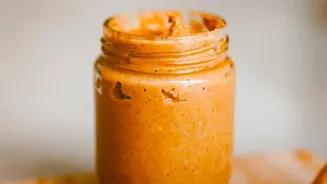
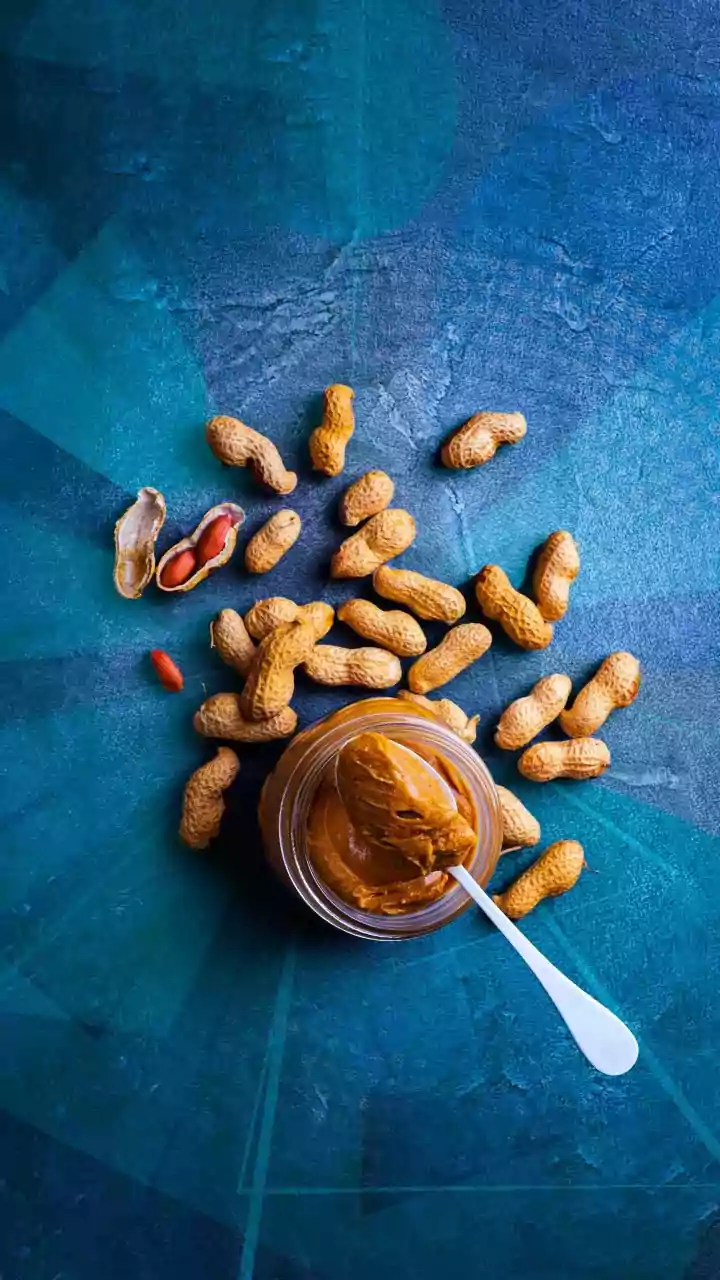
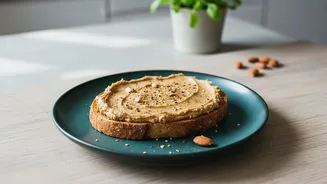
While peanut butter has been a gateway for many Indians into the world of nut butters, these new brands are pushing the boundaries of flavour and nutrition. Their product lines often feature sophisticated blends designed for specific tastes and dietary needs. Imagine an almond butter spiced with saffron and cardamom, a pumpkin seed butter with a hint of turmeric and black pepper, or a cashew butter infused with ginger. These are not just spreads for toast; they are versatile ingredients for smoothies, oat bowls, and healthy desserts. By being plant-based, they also cater to the rapidly growing vegan community and those with lactose intolerance.
Tackling a Competitive Market
Launching a new food brand in India is not for the faint of heart. These young entrepreneurs are up against legacy FMCG giants with massive distribution networks and marketing budgets. Furthermore, the artisanal and D2C (Direct-to-Consumer) space is becoming increasingly crowded. Success depends on a multi-pronged strategy. A strong online presence, engaging storytelling on social media, and leveraging quick-commerce platforms are essential for reaching the target audience, which is primarily urban and digitally savvy. The 'artisanal' and 'handmade' aspect becomes a core part of the brand identity, creating a connection with customers that large corporations often struggle to replicate.
A Healthier Future for Breakfast
The rise of these plant-based spread brands is more than just a food trend; it's a reflection of a broader shift in consumer behaviour in India. People are increasingly prioritising health, supporting local businesses, and seeking products with authentic, transparent origins. These small-scale ventures are not just selling a product; they are offering a solution and a story. By replacing the morning jam with a protein-packed, flavourful nut butter, they are empowering consumers to make a healthier choice without sacrificing taste or convenience. This movement is reshaping a small but significant part of the Indian diet, one spoonful at a time.