


Plan Your Menu Meticulously
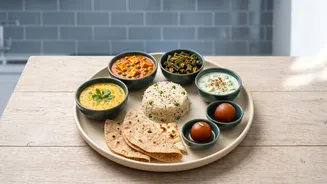
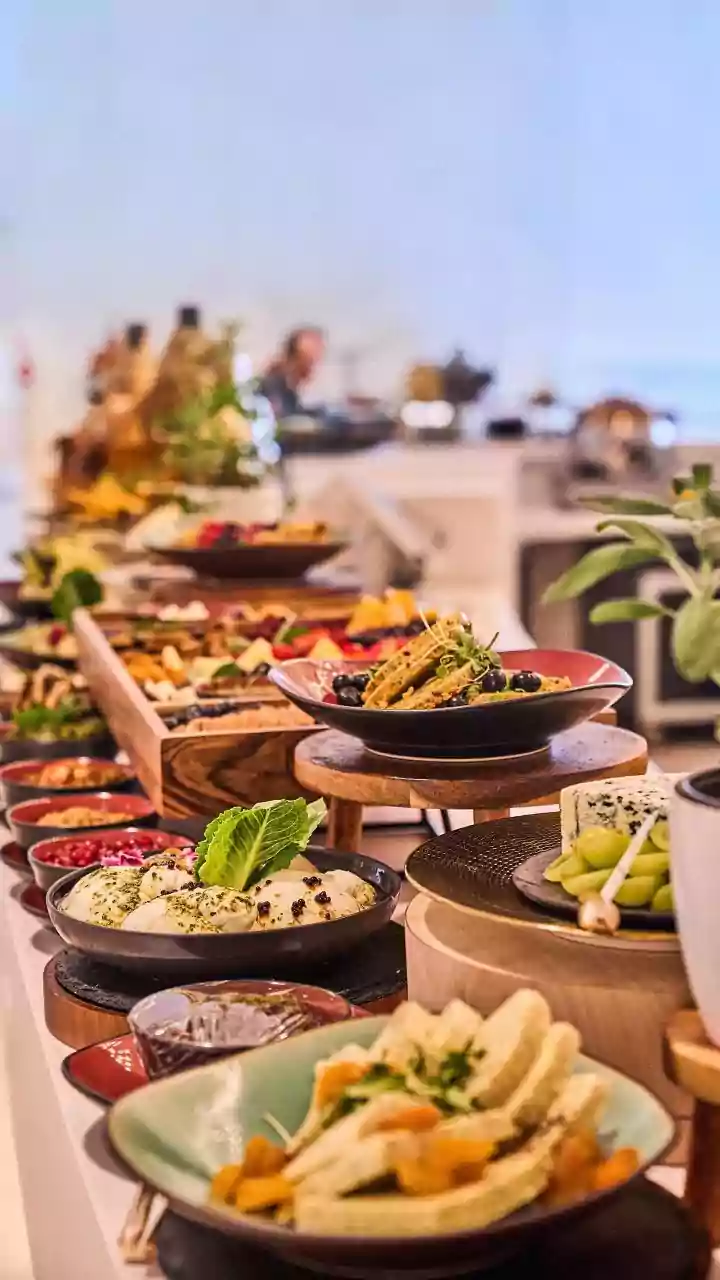
The secret to a waste-free festival is planning. Before you even think about shopping, sit down and finalize your menu. A typical Indian party menu includes a couple of appetizers, one or two main curries (like a paneer dish and a vegetable dish), a dal,
a rice preparation, and bread. Once you have a final guest count, you can plan with more accuracy. Consider dishes that share common ingredients to streamline your shopping list. Planning ahead helps you buy only what you need, reducing both food waste and unnecessary expenses.
Master the Art of Portion Control
Generosity doesn't have to mean overcooking. Estimating portion sizes can feel tricky for large groups, but there are simple guidelines. For a dinner, a good rule of thumb is to plan for a 5-7 ounce (about 150-200g) main entrée portion per person, along with a couple of side dishes. Remember, the more dishes you offer, the smaller the portion of each dish people will consume. Visual cues can help: a serving of meat is often compared to the size of your palm, while a half-cup of rice or dal is about the size of a clenched fist. Many restaurants are now offering smaller or half-portions to reduce waste, a principle you can apply at home by serving smaller initial portions and refilling as needed.
Shop Smart, Not on an Empty Stomach
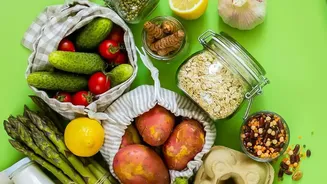
Never go grocery shopping for a festival without a detailed list. This is your best defense against impulse buys that lead to surplus ingredients. Base your list on the menu you've meticulously planned. Shopping a few days in advance can reduce last-minute stress. Prepping some ingredients, like making ginger-garlic paste or chopping vegetables a day or two before, can also give you a clearer idea of your inventory and prevent over-buying. This shift from convenience to intentional habits is key to reducing waste.
Embrace Pre-Prepping and Smart Cooking
Not everything needs to be cooked fresh right before guests arrive. Many Indian gravies, dals, and curries, like Dal Makhani or Paneer Butter Masala, often taste even better the next day as the flavors meld. You can prepare these dishes a day in advance. This frees up your time on the day of the festival for items that are best served hot and fresh, like rotis, puris, or pakoras. This "cook-as-you-go" approach for certain items ensures they are served at their best and prevents you from making a huge batch that might not get finished.
Get Creative with Leftovers
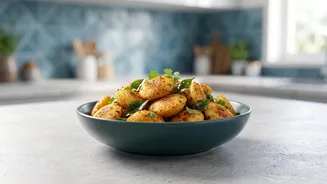
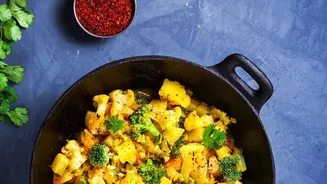
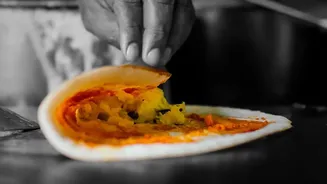
Leftovers are not a failure; they are an opportunity for another delicious meal. Leftover sabzi or dal can be kneaded into dough for flavourful parathas or thalipeeth. A dry vegetable stir-fry can become the filling for a wrap or sandwich the next day. Leftover curry makes an excellent, flavourful base for a pasta sauce or a topping for pizza. You can even turn leftover rice into crispy arancini-style balls or a simple masala rice for a quick lunch. Thinking of leftovers as ingredients for new dishes makes them exciting rather than a burden.
Smart Storage and Generous Sharing
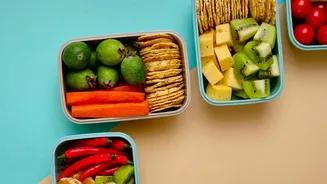
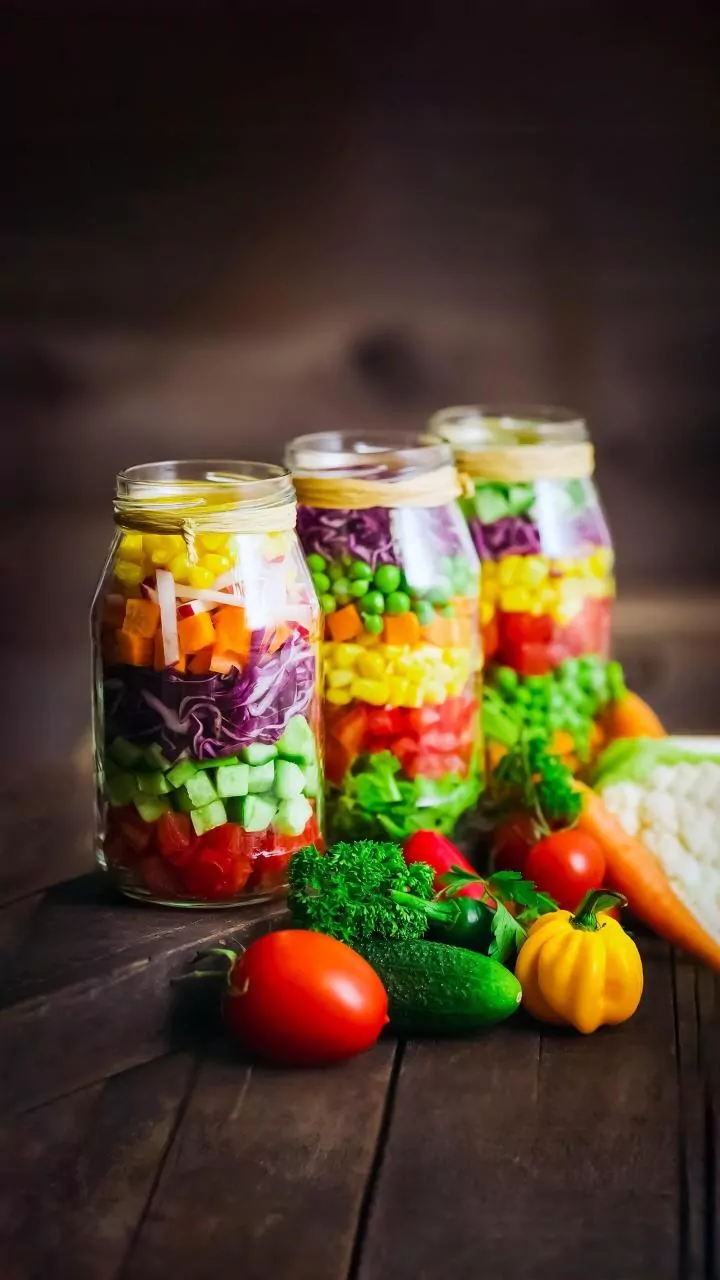
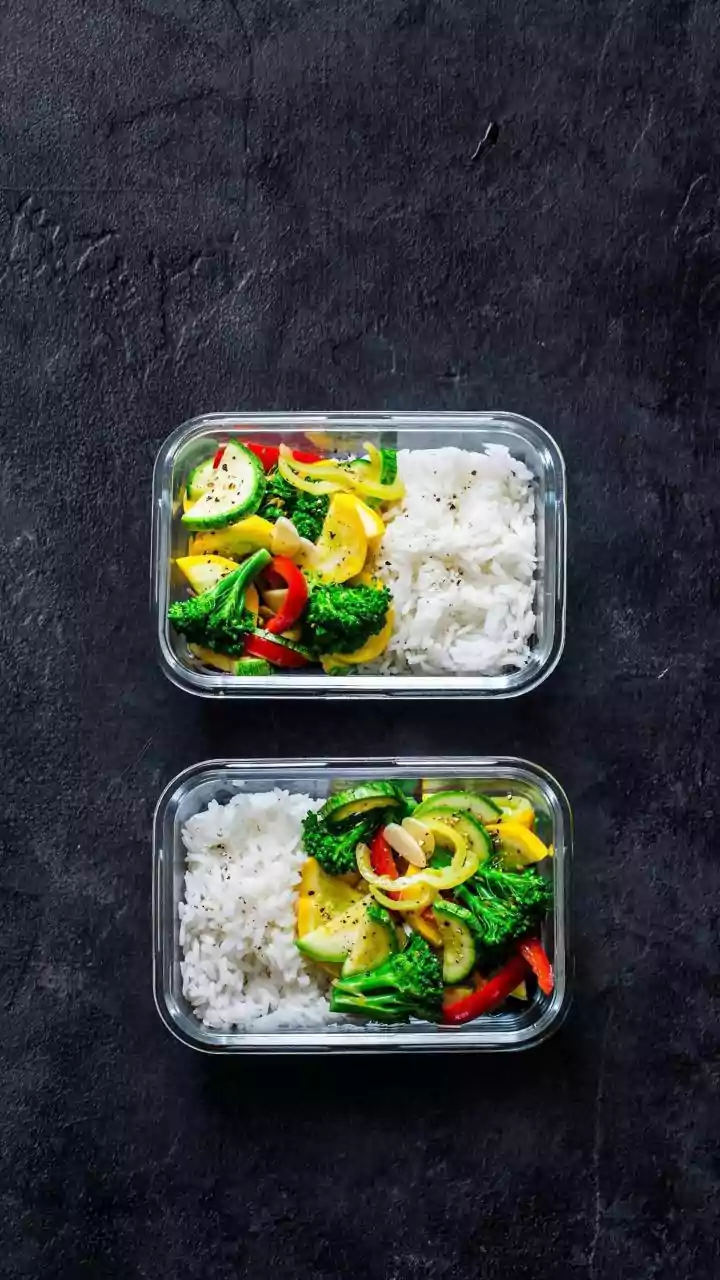
How you store leftovers is crucial. Use airtight containers to keep food fresh in the refrigerator, where most cooked dishes will last for three to four days. For longer storage, the freezer is your best friend. Portion leftovers into smaller containers before freezing for easy future meals. Finally, embrace the tradition of sharing. Encourage guests to take some food home. Having containers ready for them makes this process easy and ensures your delicious food is enjoyed instead of wasted. It's a wonderful way to extend the festive joy.