







The Gut-Brain Superhighway
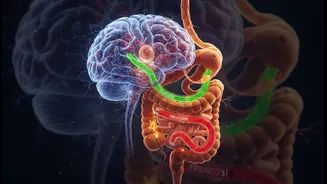
Before diving into sugars, it's important to understand the 'gut-brain axis'. This is a constant, two-way communication network connecting your digestive system and your brain. Think of it as an information superhighway. Hormones and nerves, including
the major vagus nerve, carry messages back and forth. This system tells your brain if you're hungry or full, what nutrients you've consumed, and can even influence your mood and cravings. When you eat, it’s not just your tongue that tastes the food; your gut also senses what's arriving and reports back to headquarters—the brain. This gut-level sensing is crucial for regulating appetite and energy.
Meet the Sugars: Glucose and Fructose
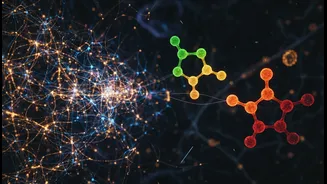
Glucose and fructose are both simple sugars with the same number of calories. Glucose is the body's primary source of energy, found in foods like bread and rice, and it circulates in our blood. Fructose is often called 'fruit sugar' because it's found naturally in fruits, but it is also a major component of table sugar and high-fructose corn syrup, which are added to countless processed foods and drinks. While they are chemically similar, the body processes them differently. Glucose is known to trigger the release of insulin, a hormone that helps control blood sugar and signals a feeling of fullness to the brain. Fructose, on the other hand, doesn't stimulate insulin to the same degree and is metabolized mainly in the liver.
What the New Mouse Study Found
The latest research, published in the journal Neuron, uncovered a surprising difference in how the mouse brain responds to these two sugars. Scientists found that glucose strongly suppressed the activity of specific brain cells that drive hunger, known as AgRP neurons. When these neurons are quiet, the feeling of hunger diminishes. Fructose, however, was much less effective at silencing these same hunger neurons, even when the caloric amount was identical to the glucose. Essentially, glucose sent a strong "you're full" signal to the brain's hunger centre, while fructose sent a much weaker one.
Two Sugars, Two Different Pathways
The study also revealed that the two sugars use entirely different routes to talk to the brain. Fructose’s weaker signal travelled to the brain via the vagus nerve. Glucose, however, used a different, more direct pathway to suppress hunger neurons. This suggests the brain isn't just counting calories; it's paying close attention to the type of nutrient consumed. Interestingly, when mice were given high-fructose corn syrup (a mix of both sugars), it suppressed the hunger neurons more than fructose alone, and the mice showed a preference for it. This might help explain why foods and drinks containing this mixture can be particularly appealing.
Why This Is More Than a Mouse Tale
It is crucial to remember that this was a study conducted on mice, and findings in animals don't always translate directly to humans. However, such studies are a vital first step in understanding complex biological processes. The results provide a potential new framework for understanding how modern diets, often high in added fructose, might affect our appetite and eating behaviours. It challenges the old idea that all calories are equal in the eyes of the brain's hunger-regulating circuits. This research opens the door for further studies in humans to see if our brains also distinguish between these sugars in a similar way.
What This Means For Your Diet
This study does not give a license to avoid fruit, which contains fructose but also fibre, vitamins, and minerals that affect how the sugar is absorbed. The primary concern in modern diets is the high amount of added fructose in processed foods and sugary drinks, where it is separated from fibre. This research reinforces the growing understanding that the type of food we eat matters as much as the quantity. It highlights how different ingredients, even those with the same calorie count, can have unique biological effects. The findings add another layer to the advice of prioritising whole foods and being mindful of processed items with high concentrations of added sugars.