





The Journey as the Destination
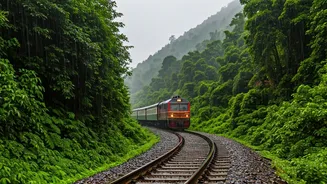
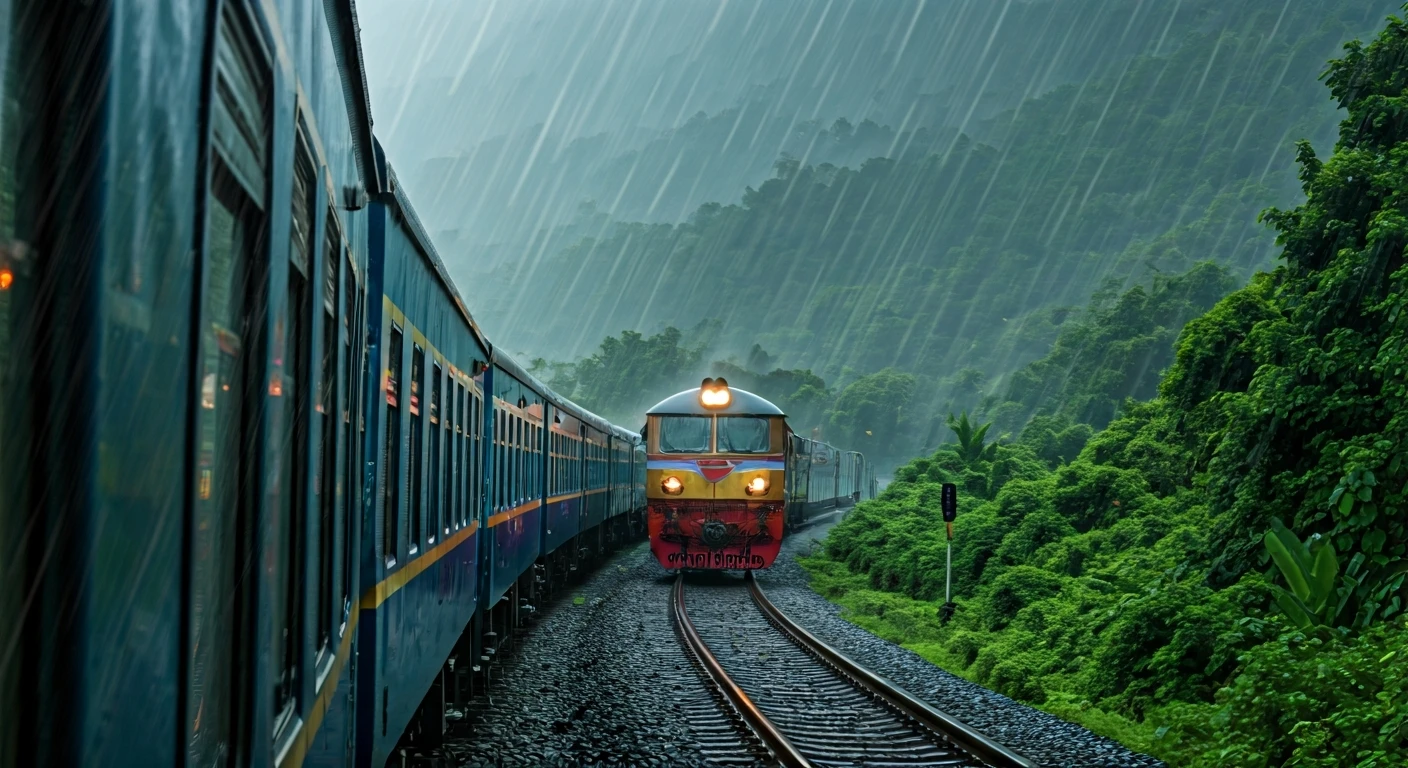
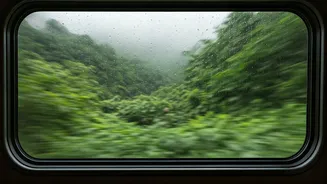
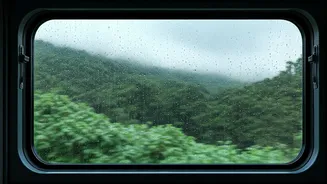
So, what exactly is a 'rain train'? It isn't just any commute during a downpour. It's the intentional choice to board a train on a route famed for its scenic beauty, specifically during the monsoon season. The goal isn't to get from point A to point B
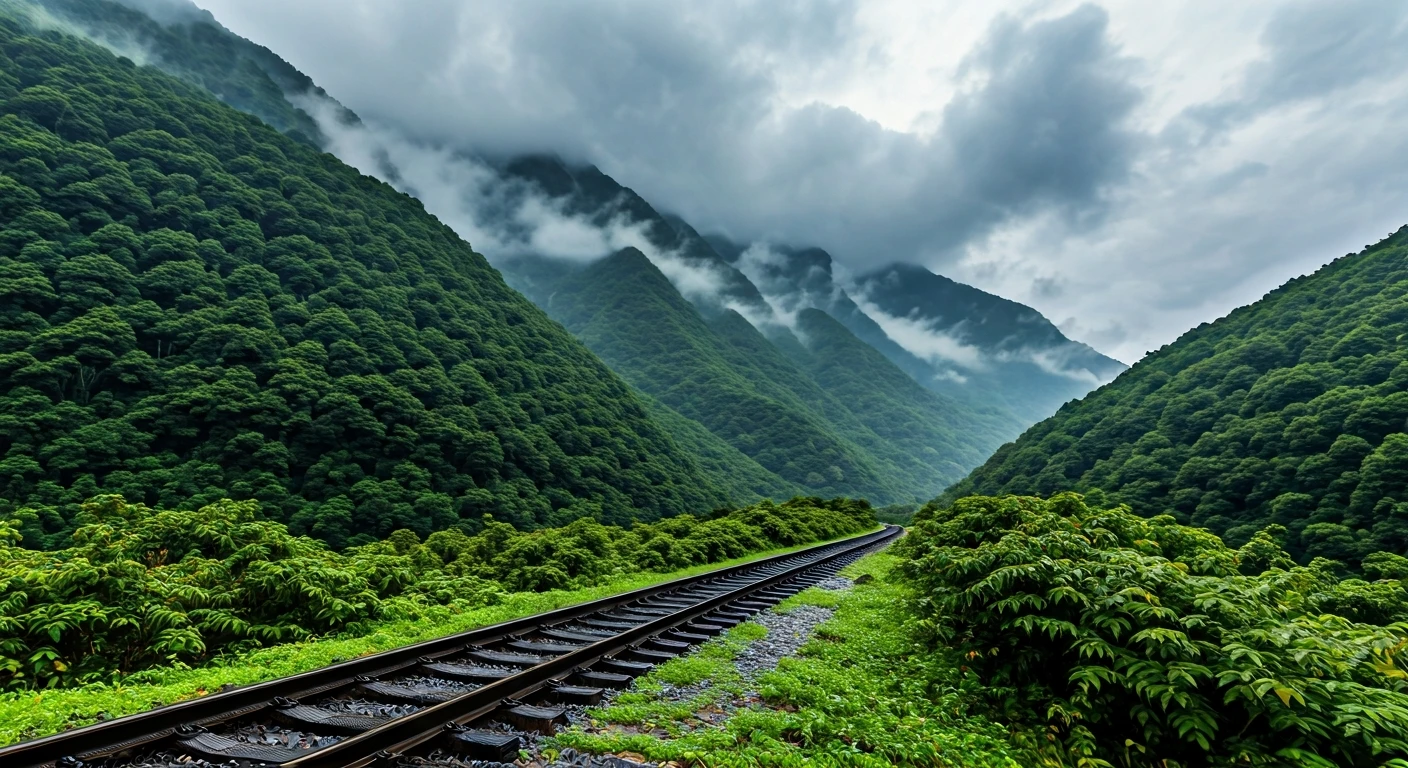
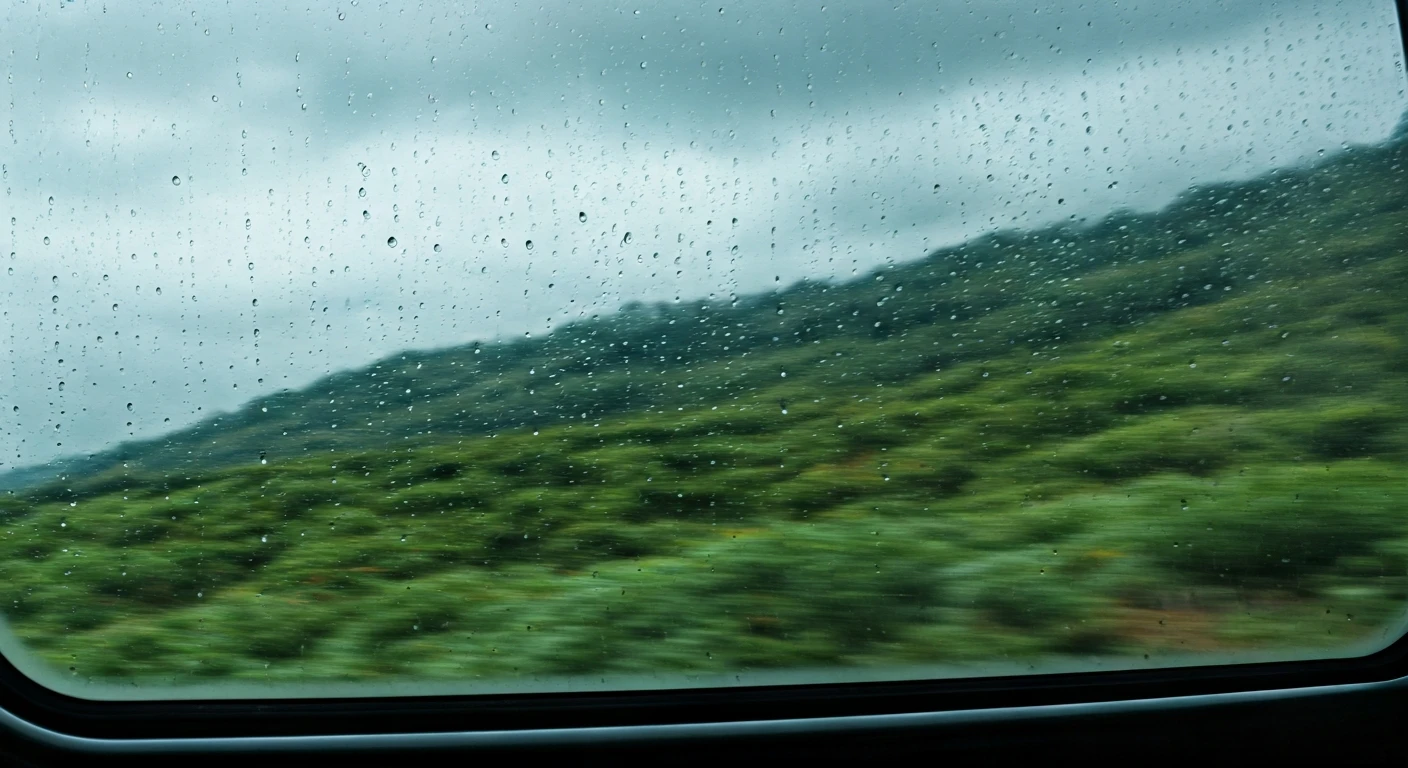
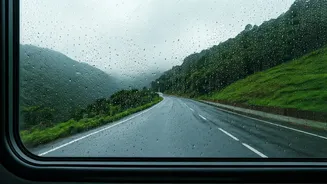
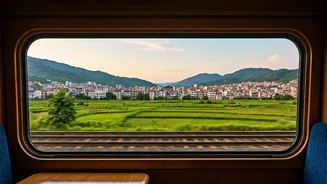
as quickly as possible; the goal is the journey itself. It’s about securing a window seat and watching the Indian landscape transform into a spectacle of vibrant greens, cascading waterfalls, and misty mountains. This experience turns the rhythmic chug of the train and the patter of rain on the roof into the main event. In an age of over-tourism and social media-driven checklists, choosing a rain train is a statement. It says you value experience over extravagance and connection over conquest.
The Rise of the Slow Travel 'Flex'
This trend is deeply rooted in the 'slow travel' movement, which champions a more deliberate and meaningful way of exploring the world. Slow travel prioritizes connection—with local culture, with nature, and with oneself—over the pressure to see everything. It’s a response to the travel burnout many feel after a packed holiday, returning home more exhausted than when they left. The 'flex' part comes from the modern re-framing of what is considered aspirational. Instead of showing off a luxury resort, the flex is showcasing a conscious choice: the choice to embrace a slower, more immersive experience. It signals a travel savviness that goes beyond typical tourist traps and values authenticity.
India’s Most Magical Monsoon Routes
India, with its dramatic monsoon season and extensive rail network, is the perfect theatre for the rain train experience. The Konkan Railway, which connects Mumbai to Goa, is arguably the most celebrated of these journeys. Winding through the Western Ghats, the route is an engineering marvel that comes alive during the rains, offering breathtaking views of lush valleys, swollen rivers, and countless waterfalls that appear only during this season. Another iconic option is the Nilgiri Mountain Railway, a UNESCO World Heritage 'toy train' that travels from Mettupalayam to Ooty. Its slow ascent through mist-covered hills and fragrant tea plantations is a nostalgic trip into a different era, with the monsoon adding a layer of romanticism to the journey. Similarly, the heritage railways to Shimla and Darjeeling offer their own unique magic, with views of pine forests and Himalayan foothills shrouded in clouds.
A Symphony for the Senses
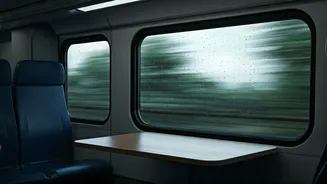
The appeal of a rain train is deeply sensory. It’s the visual feast of a rain-washed world, where every leaf seems to gleam and entire hillsides turn into impromptu waterfalls. It’s the earthy smell of wet soil that drifts through the open windows, a scent that’s deeply nostalgic for many. It's the soundscape: the steady rhythm of the wheels on the track, the muffled roar as the train enters one of the many tunnels on routes like the Konkan, and the constant, soothing drum of rain. In a hyper-connected world, the train compartment becomes a temporary sanctuary. It’s a space where you can disconnect from digital distractions, allow for moments of quiet reflection, and simply be present, watching the world go by.