







The Great Monsoon Escape
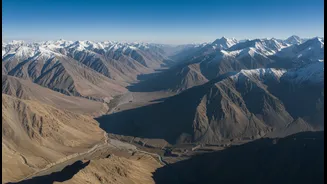
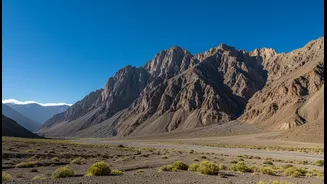
For many across India, July means grey skies and relentless rain. But in Ladakh and Spiti Valley, it’s peak season for sunshine. Tucked away in the trans-Himalayan belt, these areas lie in a 'rain shadow' zone. The towering Himalayan ranges to the south
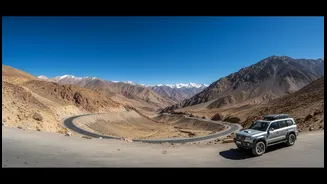
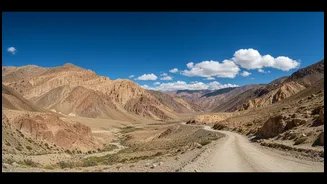
block most of the monsoon clouds from passing over, resulting in a stark, arid landscape with clear blue skies and comfortable daytime temperatures. This unique weather pattern makes them ideal for trekking, road trips, and sightseeing when most other hill stations are dealing with landslides and wet weather. Consequently, as the rest of the country navigates the monsoon, these two destinations become magnets for those seeking adventure and open roads.
A Perfect Storm of Popularity
The current tourist surge isn't just about the weather. Improved infrastructure has played a massive role. The opening of the Atal Tunnel has significantly cut down travel time and provided better access to Lahaul and onwards to Ladakh, making the journey less arduous. Both the Manali-Leh and Srinagar-Leh highways are typically fully operational in July, opening up all major tourist circuits. This has been coupled with a significant promotional push by authorities, who have highlighted Ladakh as a year-round destination, leading to a record footfall. According to officials, Ladakh saw a 43% jump in tourist arrivals in the first five months of 2026 alone, with visitor numbers more than doubling in May compared to the previous year.
The Strain on Paradise
This boom, however, comes at a cost. The massive influx of tourists is placing immense pressure on the fragile ecosystem and limited resources of these high-altitude deserts. Local environmentalists and residents have raised alarms about the growing challenges of waste management, water scarcity, and traffic congestion. Hotels and guesthouses, trying to meet tourist demands, often strain the scarce water resources, sometimes leading to shortages for the local population. The surge in vehicular traffic contributes to air and noise pollution, and the narrow mountain roads often see hours-long traffic jams, detracting from the serene experience visitors seek. This phenomenon of 'overtourism' is threatening the very qualities that make these places special.
Travelling with Responsibility
Given the rising concerns, both local administrations and responsible travel advocates are urging visitors to be more mindful. The key to preserving these landscapes lies in sustainable tourism. This includes simple yet impactful actions. For potential travellers, this means planning ahead. With accommodations running at full capacity during peak months like July, booking in advance is essential to avoid last-minute hassles. Prioritising homestays can provide a more authentic cultural experience while ensuring the economic benefits go directly to local families. It's also crucial to carry cash, as digital payments and ATMs are unreliable in remote areas.
A Visitor's Guide to Mindful Travel
To ensure your trip is both enjoyable and low-impact, consider a few key tips. Always carry a reusable water bottle to reduce plastic waste. Be extremely mindful of waste disposal; what you carry in, you must carry out, as waste management systems are already overburdened. Acclimatise properly to the high altitude to avoid sickness, and don't plan a tight itinerary—road closures due to landslides on the approach routes are still possible, so keeping buffer days is wise. Engage local guides and drivers, respect cultural norms, especially when visiting monasteries, and ask for permission before taking photographs of people. By adopting a more conscious approach, travellers can help ensure that the unique beauty and culture of Spiti and Ladakh can be enjoyed by generations to come.