

Identify the Special Trains Correctly
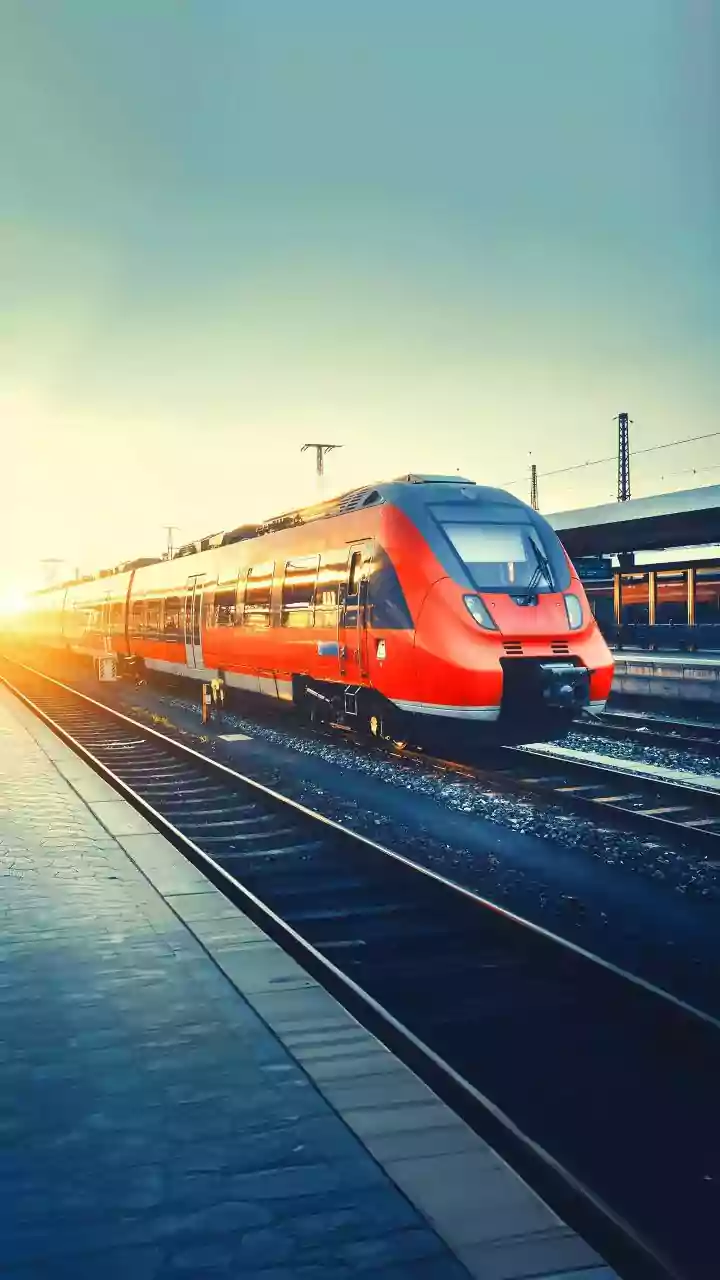
First, know what you're looking for. Festival special trains are temporary services launched to manage the holiday rush. They are easily identifiable as their 5-digit train number almost always starts with a '0'. For the upcoming Dussehra and Diwali season
in 2026, both Central and Western Railways have announced a significant number of services connecting Mumbai with destinations in Uttar Pradesh, Bihar, Tamil Nadu, Kerala, and Goa, among others. When you search on the IRCTC website or app, keep an eye out for these '0'-series trains, as they represent the additional capacity added for the season. Don't confuse them with regular, year-round express trains which will likely have long waiting lists already.
Check the Exact Routes and Halts
An announcement for a train to Chennai or Gorakhpur doesn't guarantee it will stop at your desired station. Always check the detailed list of halts before booking. For instance, the newly announced CSMT Mumbai–Chennai Beach Weekly Special will stop at Dadar, Thane, Pune, and Solapur, which is great for travellers within Maharashtra too. Similarly, the bi-weekly special to Latur has key halts at Kalyan, Lonavala, and Pune. Railway authorities publish these lists in their official announcements. Travellers are advised to use the National Train Enquiry System (NTES) portal or app for detailed and real-time halt information to ensure the train serves their specific travel plan.
Understand the Booking Window
Unlike regular trains where booking opens 120 days in advance, festival specials have a much shorter booking window. Most of the special trains announced for the October-November 2026 period opened for booking on September 27th and 28th. These trains are often announced just 10 to 30 days before their departure date. This means you need to be alert and ready to book as soon as the announcement is made. Seats on high-demand routes like Mumbai to Patna or Gorakhpur can get filled within hours, if not minutes, of the booking window opening. Set alerts on news sites or follow railway updates closely to know the exact moment bookings go live.
Be Prepared for 'Special' Fares
These trains come at a slightly higher cost. Special trains operate with a "special fare" component, which makes the tickets about 10% to 30% more expensive than the base fare of a regular mail or express train for the same route and class. It's important to note that most concessions (like senior citizen discounts) are generally not applicable on these special services. The fare you see on the IRCTC portal is inclusive of this special charge. While the price is higher, it often beats the exorbitant fares of last-minute flights or private buses during the peak festive season.
Know Where and How to Book
There are multiple official channels to book these special train tickets. The primary and most popular method is through the official IRCTC website (irctc.co.in) or its mobile app, Rail Connect. You can also book tickets at any computerized Passenger Reservation System (PRS) counter at railway stations. To save crucial time during the booking rush, it's highly recommended to create an IRCTC account in advance and save passenger details in the 'Master List' feature. This allows you to auto-fill passenger information in seconds, which can be the difference between getting a confirmed ticket and landing on the waitlist.
Check Onboard Services and Luggage Rules
Don't assume all services will be the same as on a Rajdhani or Shatabdi. While basic amenities are available, things like pantry cars and the provision of linen can vary. Especially for trains assembled with spare coaches, onboard catering might be limited to ready-to-eat meals and packaged water. Furthermore, during the festive rush, railways often run campaigns against carrying flammable items like firecrackers, kerosene, and gas cylinders for safety. It's always wise to pack light to navigate crowded platforms easily and adhere to the luggage allowance.