


A New Golden Age for Concerts
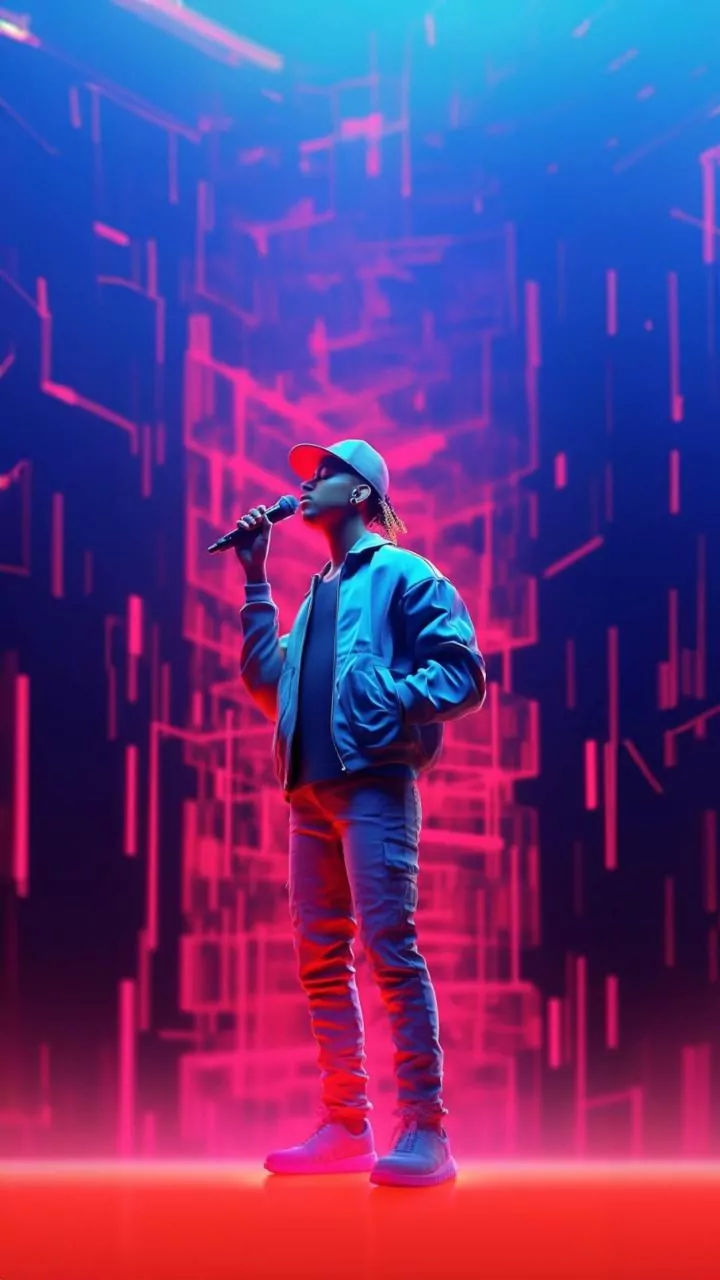
Not long ago, the sight of a major international artist on an Indian stage was a novelty. Today, it's the new normal. From rock legends like Guns N' Roses to EDM titans like The Chainsmokers and Calvin Harris, the list of global performers touring India is growing
at an unprecedented rate. This isn't just a fleeting trend; it's a structural shift. India's live events market has surged, with some reports valuing it at over ₹13,000 crore and projecting strong year-on-year growth. This boom is fueled by a young demographic with rising disposable incomes and a hunger for experiences over possessions. As a result, India is no longer a stopover on a global tour but a primary destination.
The Festival Phenomenon
Beyond standalone arena shows, India is now a hotspot for world-class music festivals. Lollapalooza India, which debuted in 2023, has quickly become a cultural fixture, bringing massive acts like Linkin Park and Playboi Carti for their first-ever performances in the country. The 2026 edition alone featured a diverse lineup that also included YUNGBLUD and Kehlani, drawing tens of thousands of fans daily. These multi-genre festivals offer a different value proposition: discovery. Fans can see global headliners and also discover homegrown indie talent like Bloodywood and Ankur Tewari & The Ghalat Family on the same weekend. From the iconic Sunburn for EDM lovers to niche gatherings like Ziro Festival of Music in Arunachal Pradesh, the festival circuit now caters to every possible taste.
The Economic Ripple Effect
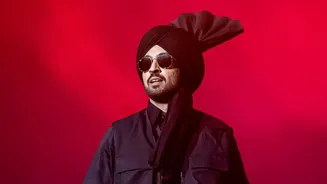
A single major concert can have a tremendous economic impact that extends far beyond ticket sales. When Coldplay performed in Ahmedabad, the event generated an estimated ₹641 crore in economic activity, including a significant boost to local tourism, hospitality, and transport sectors. This "concert economy" is a powerful engine for growth. Over 560,000 Indians travelled to other cities for concerts in 2025, turning live music into a significant driver of domestic tourism. Promoters like BookMyShow Live and Live Nation are investing heavily, recognizing the immense potential of the Indian market. Even homegrown artists are proving their immense drawing power; Diljit Dosanjh's recent tour generated an estimated economic impact of nearly ₹950 crore, showcasing the strength of the domestic scene.
What’s Driving the Boom?
Several factors are converging to create this perfect storm for live music. Post-pandemic, there's a pent-up demand for shared, in-person experiences. Secondly, India's youth demographic is a massive, engaged audience that global promoters can no longer ignore. With China and Russia becoming less viable markets for international tours, India has emerged as a key growth region. This has led to a professionalization of the industry, with promoters now offering the full production rigs and multi-city schedules that top-tier artists expect. General admission tickets for major tours now start around ₹2,500, with VIP experiences reaching upwards of ₹18,000, indicating a market willing to pay for premium live entertainment.
The Road Ahead
While the growth is exciting, it also comes with challenges. Industry leaders point to the need for more world-class indoor and outdoor venues to keep pace with demand. Crowd management and safety protocols are also becoming a critical area of focus as the scale of events grows. However, the momentum is undeniable. With acts like the Foo Fighters and Gorillaz already slated for 2027, the calendar shows no signs of slowing down. The influx of international artists also provides a massive platform for Indian acts, who get opportunities to open for global stars and reach new audiences. For Indian music fans, the message is clear: the golden era of live music is here, and there have never been more moments to be part of the crowd.