



The 2026 Comeback
This year, the bandana has moved from a minor detail to a key fashion piece. Celebrities like Priyanka Chopra Jonas, Zendaya, and Gigi Hadid have been spotted incorporating them into their looks, from Wimbledon's refined setting to casual street style.
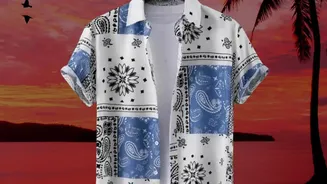
Fashion weeks in Copenhagen and beyond have solidified the trend, with designers showcasing bandanas on the runway. The revival isn't just on the catwalk; it's a grassroots movement, with searches on resale sites surging and social media flooded with styling tutorials. The 2026 take is about versatility—the pattern now appears on everything from shorts and swimwear to bags and tops, and the accessory itself is being worn in fresh ways.
From South Asia to the American West
The bandana's story begins not on a runway, but centuries ago in South Asia. The name itself is believed to derive from the Hindi word 'bandhna' (to tie), referencing the traditional tie-dye techniques used in India. These brightly coloured cotton and silk cloths, often featuring the teardrop-shaped 'boteh' or paisley motif from Persia, were imported to Europe in the 18th century and quickly became fashionable. From there, they traveled to America, where their function became paramount. In the American West, cowboys and miners relied on bandanas as durable, multi-purpose tools to shield them from dust and sun, cementing their place as a symbol of rugged utility.
A Symbol of Solidarity and Resistance
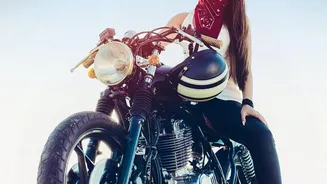
Beyond its practical uses, the bandana has a long history as a symbol of identity and defiance. In the early 20th century, red bandanas were worn by unionised coal miners during strikes to signify solidarity. Over the decades, it was adopted by various subcultures and movements. Bikers and rock stars in the 1960s used it to signal a counter-cultural edge. It became a visual emblem for activists in the civil rights and anti-war movements. In the 1970s, the LGBTQ+ community famously developed the 'hanky code,' using different coloured bandanas in specific pockets to communicate desires and identity in a world where openness was dangerous. This ability to carry coded messages transformed the simple cloth into a powerful tool for community and belonging.
How to Wear It Now
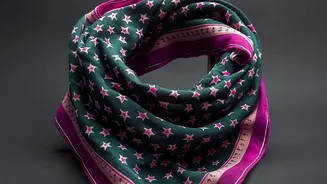
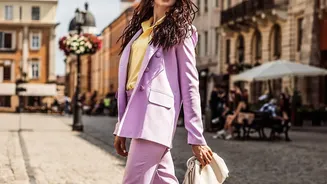
The 2026 bandana revival is defined by creative and intentional styling. The classic headband and neckerchief remain popular, but new interpretations are emerging. Tying a large silk or cotton bandana as a crop top or halter top is a bold choice for summer. For a more subtle take, it can be used as a pocket square in a blazer, adding a pop of colour to tailoring. Other popular methods include tying it to a handbag, weaving it through belt loops, or using it as a colourful wrap for a ponytail or bun. The modern approach is to treat the bandana as the focal point of an otherwise simple outfit, letting its pattern and history do the talking.