





The Star of Winter: Amla (Indian Gooseberry)
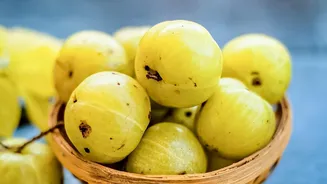
Amla, or the Indian gooseberry, is a translucent green fruit celebrated for centuries in Ayurvedic traditions. With a unique sour and astringent taste, it's not always eaten raw but is a powerhouse of nutrients. Amla is most famous for its incredibly
high vitamin C content, containing significantly more than oranges. This potent antioxidant helps strengthen the immune system, making it a crucial ally against common winter colds and flu. Beyond immunity, amla supports digestion by promoting a healthy gut, aids in iron absorption, and is beneficial for radiant skin and healthy hair. Studies also suggest it can help manage chronic conditions by regulating blood sugar levels and reducing bad cholesterol, supporting cardiovascular health.
How to Enjoy Amla
The sharp taste of fresh amla might be surprising at first, but there are many enjoyable ways to incorporate it into your diet. One of the most popular methods is to make fresh amla juice, often mixed with a little water and honey to balance the flavour; it's best consumed on an empty stomach. Amla powder is another convenient option, easily stirred into warm water, smoothies, or yogurt for a daily health boost. For those who enjoy traditional preparations, amla is used to make tangy pickles (achaar), sweet preserves (murabba), and candies. These methods make the fruit more palatable while retaining many of its health benefits. Some nutritionists even suggest fermenting amla to enhance its bioavailability and add gut-friendly bacteria.
Hardy and Wholesome: Guava (Amrood)
Guava is a beloved winter fruit across India, known for its fragrant aroma and sweet taste. It is a nutritional giant, packed with dietary fibre, which aids digestion and can help prevent constipation. Like amla, guava is an exceptional source of vitamin C, containing even more than oranges, which helps bolster the immune system during the colder months. It is also rich in antioxidants like lycopene and minerals such as potassium and magnesium, which contribute to heart health by helping to regulate blood pressure and lower cholesterol levels. The high fibre content also promotes a feeling of fullness, making it a healthy and satisfying snack for weight management.
Creamy and Sweet: Custard Apple (Sitaphal)
Arriving in early winter, the custard apple, or Sitaphal, is a treat with its lumpy green exterior and soft, creamy pulp that tastes like a natural dessert. This fruit is a good source of natural sugars like glucose and fructose, providing a quick energy boost. It is rich in dietary fibre, which promotes healthy digestion and helps prevent constipation. Sitaphal also contains essential vitamins like vitamin C and vitamin A, along with minerals like potassium and magnesium, which support heart health, immunity, and skin vitality. Its antioxidants help fight inflammation in the body.
Juicy and Bright: Oranges (Santra)
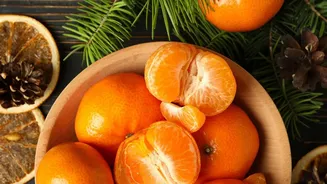
No Indian winter feels complete without the sweet, tangy flavour of oranges. A classic winter fruit, oranges are synonymous with vitamin C, a key nutrient for a strong immune system to fend off seasonal infections. They are also hydrating and packed with antioxidants that contribute to healthy, glowing skin. Beyond just the juice, the fibre in the whole fruit supports digestive health. Available in popular varieties like the Nagpur santra and Kinnow, oranges are a convenient, refreshing, and versatile snack that brightens up the season.
Other Winter Delights
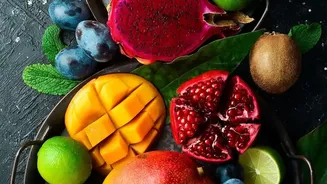
Indian markets in winter also feature a variety of other delicious fruits. Pomegranates (Anar) are filled with jewel-like seeds rich in antioxidants and iron. Apples (Seb) from the Himalayan regions are crisp, juicy, and high in fibre. Grapes (Angoor) begin their season in late winter, offering hydration and vitamins. Strawberries, especially from Mahabaleshwar, also reach their peak, providing a burst of sweetness and antioxidants. Exploring this seasonal variety is a wonderful way to add flavour and nutrition to your diet.