





What We Know About the Proposal
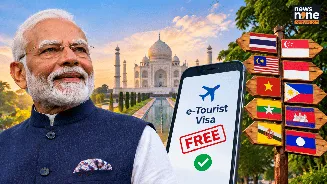
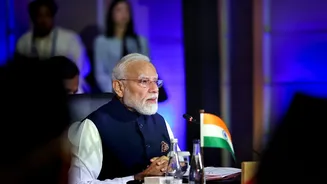
At the 23rd ASEAN-India Summit in Manila on November 17, 2026, Prime Minister Narendra Modi announced a proposal to offer free electronic tourist visas to citizens of all 11 ASEAN member countries. This initiative was one of nine new proposals aimed at strengthening
the comprehensive strategic partnership between India and the regional bloc. The move is designed to simplify travel, encourage more tourist arrivals, and enhance the deep-rooted people-to-people connections between India and Southeast Asia. The announcement confirms that travelers would still need to apply for an e-visa through the official online portal, but the associated fee would be waived. However, crucial details, including the official start date and specific eligibility conditions, have not yet been released by the Indian government.
Which Countries Stand to Benefit?
The proposal covers all member states of the Association of Southeast Asian Nations (ASEAN). This bloc includes Brunei, Cambodia, Indonesia, Laos, Malaysia, Myanmar, the Philippines, Singapore, Thailand, Vietnam, and its newest member, Timor-Leste. It is important to note that India's current visa policy already offers fee exemptions to some of these countries. According to recent fee schedules, citizens of Indonesia and Myanmar already benefit from free e-tourist visas for 30-day, one-year, and five-year validities. Similarly, travelers from Malaysia, the Philippines, and Thailand can obtain a 30-day e-tourist visa for free, though fees apply for longer durations. The new proposal aims to harmonize this policy by extending the fee waiver to all 11 nations, potentially benefiting travelers from Brunei, Cambodia, Laos, Singapore, Vietnam, and Timor-Leste who currently pay for e-visas.
A Strategic Pillar of the 'Act East' Policy
This visa initiative is a key component of India's broader 'Act East' Policy, which evolved from the 'Look East' policy of the 1990s. Formally launched in 2014, the 'Act East' Policy represents a proactive effort by India to deepen economic, strategic, and cultural relations with nations in the Asia-Pacific region, with ASEAN at its core. The policy focuses on the '3 Cs'—Commerce, Connectivity, and Culture. By making travel more accessible, the free e-visa proposal directly supports the goals of enhancing connectivity and cultural exchange. This move is also seen as a strategic measure to bolster India’s role as a regional power and foster stability in the Indo-Pacific. The initiative aligns with preparations for 2027, which will mark 35 years of India-ASEAN dialogue relations and five years of their Comprehensive Strategic Partnership.
Boosting Tourism and Economic Ties
Beyond diplomacy, the economic and tourism benefits are a primary driver of this policy. Southeast Asia is a significant source market for tourism to India, especially for the country's prominent Buddhist circuit, which attracts pilgrims to sites like Bodh Gaya and Sarnath. In 2025, India received over 800,000 visitors from ASEAN countries, and simplifying the visa process is expected to increase these numbers substantially. The current e-visa fees for some ASEAN nationalities range from $10 for a 30-day visa to $200 for a five-year visa, plus bank charges. Removing this cost barrier is anticipated to make India a more attractive destination for leisure travelers and pilgrims alike. This move also complements other initiatives, such as establishing direct flights with nine ASEAN countries, all aimed at creating a more integrated and accessible regional travel environment.
The Key Question: When Will It Launch?
Despite the positive reception, the central question for prospective travelers remains unanswered: when will the new policy be implemented? As of late November 2026, the Indian government has not announced a specific launch date. The announcement at the ASEAN-India Summit was a proposal, and the administrative and technical details need to be finalized by the relevant ministries, likely the Ministry of Home Affairs and the Ministry of External Affairs. Observers are also awaiting clarification on whether the fee waiver will apply only to short-term 30-day tourist visas or will also extend to the one-year and five-year e-visa options for all ASEAN nationalities. Until an official notification is issued, the existing visa rules and fees will remain in effect.