


The Rise of the 30-Second Story
The media landscape has been fundamentally reshaped by platforms like TikTok, Instagram Reels, and YouTube Shorts. Their success is built on brevity and immediacy, delivering content in quick, digestible bites perfect for a world where attention is a precious
commodity. These platforms use powerful algorithms to feed users an endless, personalised stream of content, creating a highly engaging and often addictive experience. This 'snackable' content fits neatly into the small gaps in our day, conditioning our brains to expect constant, rapid-fire stimulation. The result is a profound shift in how we consume media, with weekly viewing of traditional TV and movies declining while social media video consumption holds steady.
Your Brain on a Dopamine Diet
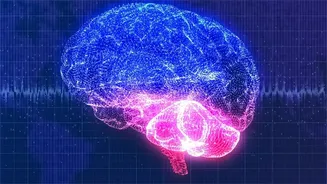
The constant stream of novel, exciting, and emotionally resonant clips on short-video apps provides the brain with frequent, small bursts of dopamine, a chemical associated with pleasure and reward. This process is sometimes called a 'dopamine loop' and is similar to the conditioning seen in gambling, encouraging compulsive use. Neuroscientists and psychologists are studying this phenomenon, sometimes dubbed 'TikTok Brain' or 'brain rot', which describes the feeling of mental fatigue and difficulty concentrating after prolonged scrolling. Research suggests this repeated exposure to fragmented, fast-paced content may impair the cognitive processes required for forming deep, long-term memories and sustaining focus. One study noted that people now generally lose concentration after just eight seconds, making the idea of sitting through a long, slow-burn narrative feel more challenging.
A Tale of Two Screens
This new habit directly conflicts with the traditional cinematic experience. Feature films rely on patience, asking audiences to invest time in character development, plot complexities, and atmospheric world-building. While audiences once accepted runtimes of 90 to 120 minutes, there's a growing sentiment that movies are getting too long. One recent survey even found that the ideal movie length for Gen Z audiences is a brisk 82 minutes. The phenomenon of 'second screening'—using a phone while watching TV—has become the norm, splintering attention and making it harder to follow a complex plot. This creates a paradox: even as blockbuster films like 'Oppenheimer' and 'Avatar: The Way of Water' prove that audiences will show up for three-hour epics, the default habit for at-home viewing is now fractured and distracted.
Cinema Strikes Back
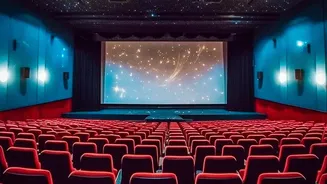
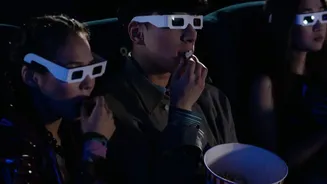
Despite these challenges, the big screen experience is far from dead. In India, a 2023 survey revealed that 90% of respondents believe the magic of cinema can only be experienced in a theatre, with a significant number of Gen Z viewers preferring 'first day, first show' screenings. This suggests that for many, cinema remains a cherished cultural event. In fact, Gen Z is a surprisingly active cinemagoing demographic globally, often seeking the disconnected, communal experience that a theatre provides. The film industry is also adapting. Studios are using TikTok as a powerful marketing tool, leveraging trailers and behind-the-scenes clips to generate buzz. More than three-quarters of viewers who see clips from a show or movie on social media report going on to watch the full version, turning these platforms into discovery engines. Filmmakers are learning to tell stories with more precision, using short-form content as a gateway to their larger projects rather than seeing it as a threat.