






A Generation Under Pressure
Conditions once associated with old age are now increasingly common among young Indians. Doctors are reporting a surge in diagnoses of type 2 diabetes, hypertension, high cholesterol, and heart disease in people under 40. Experts note that heart attacks
are occurring in Indians about a decade earlier than in Western populations. This alarming trend is not driven by genetics alone, but by a systemic shift in lifestyle. Modern life for many young adults involves prolonged screen time, high-pressure work environments, irregular eating schedules, and reduced physical activity, sometimes termed "sitting disease". This sedentary behaviour, combined with chronic stress and a diet often reliant on processed foods, is creating a perfect storm for metabolic dysfunction that often develops without obvious symptoms.
From Treatment to Prevention: A New Strategy
For years, public health messages were often siloed: eat healthy, or get more exercise. Recognising that diet and physical activity are two sides of the same coin, India is now embracing a more holistic approach. The new focus is on prevention, aiming to instill healthy habits early in life to avert chronic diseases later. This shift is visible in national initiatives like the Fit India Movement, which promotes not just physical activity but also balanced nutrition and mental well-being. The core idea is that making small, sustainable lifestyle changes—like choosing stairs, walking or cycling, and practising mindful eating—is more effective than seeking a cure after a disease has taken root. This integrated strategy is seen as crucial for tackling the country's rising rates of non-communicable diseases.
Activating Health in Schools and Communities
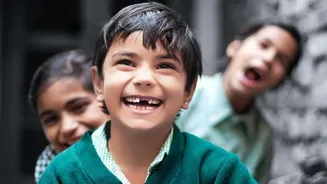
Schools have become a primary battleground for this preventive health movement. Acknowledging that schools can shape lifelong habits, the government has launched programs like the School Health and Wellness Programme, a joint initiative between the Ministry of Health and the Ministry of Education. This program designates teachers as “Health and Wellness Ambassadors” to engage students on 11 thematic areas, including nutrition and physical activity, through joyful learning. Many schools have established Health and Wellness Clubs and participate in the 'Fit India School' ranking system, which encourages them to integrate yoga, sports, and health checks into the curriculum. Beyond the classroom, community-level programs like the 'My Health, My Pride' campaign, part of the Ministry of Youth Affairs and Sports' outreach, conduct health screenings and awareness sessions on nutrition and healthy living for youth volunteers.
The Power of Youth and Technology
These campaigns are designed to harness the energy of young people themselves, turning them into advocates for wellness. Initiatives like the Fit India Youth Clubs aim to mobilise millions of young volunteers from organisations like the National Service Scheme (NSS) to create mass awareness. They understand that to reach a generation fluent in digital media, the message has to be engaging and accessible. Digital campaigns have proven highly effective at recruiting youth volunteers and encouraging health-seeking behaviours. By using social media, partnering with youth icons, and creating relatable content, these programs are making preventive health a part of the conversation in the spaces where young people spend their time. Children and adolescents are encouraged to become "ambassadors of wellness," taking lessons on hygiene, nutrition, and fitness from school events back to their families and communities.
Challenges and the Path Forward
Despite the momentum, challenges remain. The implementation of school health programs can be uneven, with resource shortages and the pressure of academic curricula sometimes hindering progress. There is also a significant urban-rural divide in access to information and healthcare facilities. However, the consensus is clear: a multi-sectoral approach involving government agencies, schools, communities, and families is the only sustainable way forward. The growing collaboration between fitness and nutrition in India’s youth health campaigns represents a vital investment in the nation's future. By empowering young people with the knowledge and habits to lead healthier lives, the country is taking a crucial step to safeguard its demographic dividend from the looming threat of lifestyle diseases.