







The Protein Pivot in Dairy
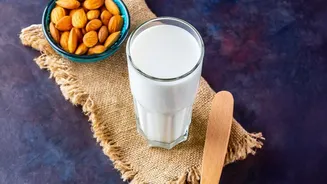
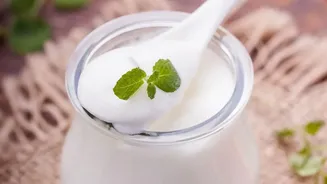
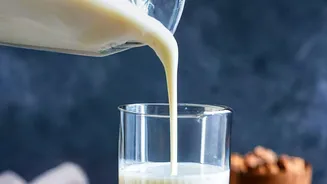
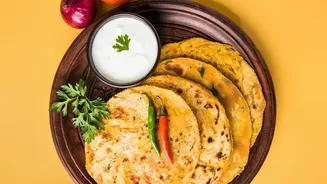
For decades, dairy products in India were sold on the promise of freshness, purity, and taste. Now, a new attribute is taking centre stage on packaging and in advertisements. From milk and curd (dahi) to paneer and ice cream, protein content is being
prominently featured as a key selling proposition. This strategic shift, sometimes called the 'proteinisation' of dairy, is not just a passing fad but a structural change in the industry. Major players like Amul, Mother Dairy, and Heritage Foods are launching new product lines and reformulating existing ones to be 'high-protein'. Recent launches include products like Mother Dairy's 'Procurd' and 'Propaneer' and Amul's extensive range of high-protein shakes, dahi, and even kulfi. This move indicates that the future of the dairy market is shifting from focusing on the volume of milk sold to the value extracted from it.
Decoding the Consumer Demand
This market evolution is a direct response to a massive shift in consumer behaviour. A growing number of Indians, particularly in urban areas, are becoming more health-conscious. Factors like rising disposable incomes, increasing urbanisation, and a greater awareness of nutritional needs are driving this change. Consumers are no longer just seeking basic sustenance; they want functional foods that offer specific health benefits. Protein, once seen as a niche requirement for gym-goers and athletes, is now recognised by the mainstream as essential for overall health and wellness. This is especially significant in a country where a large portion of the population is reportedly protein-deficient. Dairy companies are tapping into this by positioning their products as a convenient and familiar way to bridge this nutritional gap.
Brands Get on Board
India's largest dairy cooperatives and private players are investing heavily in this new category. Amul, for instance, has aggressively expanded its portfolio with high-protein versions of lassi, milkshakes, paneer, and whey protein. The company aims to embed protein into daily dietary habits through affordable and accessible formats. Following suit, Mother Dairy launched its 'Promilk' line, offering 30% more protein than regular milk, and has plans for over 30 new products, many in the high-protein space. Heritage Foods has also introduced high-protein paneer and fruit yogurt, targeting consumers looking for wellness and nutritional benefits. These value-added products offer significantly higher profit margins compared to plain liquid milk, making it a financially attractive shift for the industry.
From Niche to Mainstream
What began as a trend in major metropolitan cities is gradually expanding. The rise of quick-commerce platforms has been a major catalyst, making premium and specialized dairy products like Greek yogurt, protein shakes, and artisanal cheeses available to a wider audience within minutes. This rapid accessibility allows consumers to try new products without a major commitment and helps brands reach young professionals and time-crunched households. While the initial push is strongest in urban centres, the underlying awareness of health and wellness is a national trend. Companies are strategizing to democratize protein, moving it beyond a premium urban phenomenon to a staple in households across the country. Mother Dairy's competitive pricing for its protein-enriched milk is one example of an effort to make these products more accessible to the masses.
The Future Is Fortified
The transition towards a protein-focused dairy market is still in its early stages but shows immense potential. The high-protein dairy market is projected to grow significantly, with some estimates suggesting the milk protein market could reach over USD 889 million by 2033. This growth is part of a larger health and wellness food market in India that is expected to be worth over USD 32 billion by 2033. The challenge for dairy companies will be to balance nutrition, taste, and affordability while educating a vast consumer base about the benefits of a protein-rich diet. However, with India being the world's largest milk producer and consumer, the industry is uniquely positioned to lead this nutritional transformation. The focus is clear: dairy is evolving from a simple commodity to a powerful vehicle for delivering enhanced nutrition to millions.