


The Urban Apex Predator
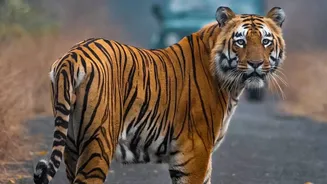
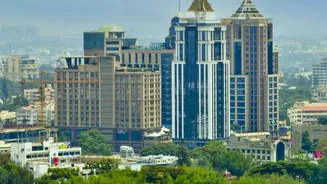
When you think of a bustling metropolis like Mumbai, leopards are probably not the first residents that come to mind. Yet, within the confines of Sanjay Gandhi National Park (SGNP), a green lung nestled in the heart of the city, a healthy population of these
elusive big cats exists. A recent survey confirmed the presence of at least 54 leopards in and around the park, a testament to their remarkable adaptability. This isn't a case of animals lost in the city; they are actively living on its edge, navigating a landscape shared by 20 million people. Their diet has adapted too, with stray dogs making up a significant portion of their meals. This unique coexistence in one of the world's most densely populated areas highlights a growing global trend: predators like coyotes in North American suburbs and foxes in European cities are learning to navigate the urban world, finding food and shelter where we least expect them.
Architects of the Air
It’s not just mammals that are making cities their home. High above the streets, a different kind of adaptation is taking place. Peregrine falcons, the fastest birds in the world, have swapped traditional cliff faces for the ledges of skyscrapers, cathedrals, and bridges. Cities offer an ideal habitat: tall buildings mimic their natural nesting cliffs, there's an abundant food supply of pigeons and other urban birds, and they face fewer natural predators. In London, dozens of pairs nest on landmarks, including the Houses of Parliament. These raptors have even learned to use the city's artificial lights to hunt nocturnally, preying on migratory birds passing through the illuminated night sky. Their success story, from near-extinction due to pesticides in the mid-20th century to thriving urbanites, is a powerful example of nature's resilience.
The Return to Urban Waters
Decades ago, many urban rivers were too polluted to support much life. But ambitious clean-up campaigns have yielded incredible results, perhaps none more charming than the return of otters to Singapore's waterways. Driven away in the 1970s by pollution and development, smooth-coated otters began to return in the late 1990s as the rivers became cleaner. Today, more than 100 otters live across the island, from reservoirs to the glittering Marina Bay financial district. These charismatic animals have become local celebrities, with families learning to navigate busy roads and raising their pups in the heart of the city. Their story is mirrored in other cities where aquatic life, from beavers to dolphins, is reappearing in once-toxic waters, signalling a healthier urban environment.
Why Nature is Reclaiming the City
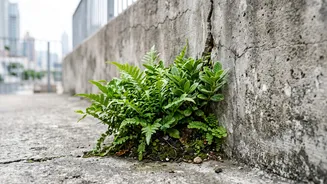
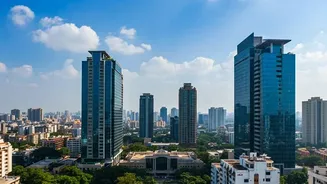
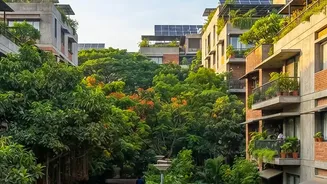
This urban wildlife renaissance isn't happening by accident. It's a combination of animal ingenuity and changing urban landscapes. As human development expands, it fragments natural habitats, pushing some animals out and forcing others to adapt. Generalist species—those that can eat a wide variety of foods and live in different environments—are the most successful. Raccoons, foxes, and coyotes have learned to exploit human food sources, from garbage bins to pet food left outdoors. At the same time, many cities are intentionally creating 'green corridors'—networks of parks, green roofs, and restored waterways—that allow wildlife to move more freely. These changes, combined with the animals' own behavioural shifts like becoming more nocturnal to avoid humans, are turning our built-up areas into viable, if challenging, habitats.