





The Humidity Factor
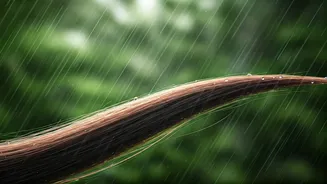
The single biggest culprit behind monsoon hair fall is the dramatic spike in humidity. Your hair is hygroscopic, meaning it absorbs moisture from the air. When the air is saturated with water, the keratin proteins in your hair soak it up, causing the hair shaft
to swell. This process weakens the hair’s internal structure and lifts the outer cuticle layer. A swollen, weakened hair shaft is far more prone to breakage from simple acts like brushing, styling, or even running your fingers through it. This doesn't necessarily mean the hair is falling from the root, but the increased breakage contributes significantly to the appearance of thinning and hair loss.
An Unhappy Scalp Environment
Your scalp, which is happiest when it’s clean and balanced, faces a major challenge during the monsoon. The combination of humidity and increased sweating creates a warm, damp environment that is a perfect breeding ground for fungi and bacteria. This can lead to a host of problems, most commonly dandruff (caused by the Malassezia globosa fungus). An overgrowth of these microorganisms can cause scalp inflammation, itchiness, and irritation. This inflammation can weaken hair follicles at the root, leading to what is known as telogen effluvium, or stress-induced shedding. Essentially, an unhealthy scalp cannot support healthy hair growth, triggering an increase in hair fall.
Rainwater and Pollutants
Getting caught in the rain might feel romantic, but it’s not great for your hair. Rainwater isn't pure H2O; it picks up pollutants and toxins from the atmosphere as it falls. This 'acid rain' can be harsh on your hair and scalp, disrupting their natural pH balance. This can leave your hair feeling rough and grimy, and your scalp irritated. Furthermore, many people find the quality of their tap water also changes during the monsoon, sometimes becoming harder or more treated. These shifts can also contribute to dryness and brittleness, compounding the problem of breakage and fall.
Solution 1: Keep It Clean
The most important step is to maintain scalp hygiene. You may need to wash your hair more frequently than you do in other seasons—perhaps every other day—to prevent the buildup of sweat, oil, and microbes. Use a gentle, sulphate-free shampoo to avoid stripping your hair of its natural oils. If you are prone to dandruff, consider incorporating a shampoo with anti-fungal ingredients like ketoconazole or zinc pyrithione into your routine once or twice a week. Always rinse your hair thoroughly if you get caught in the rain to wash away any pollutants.
Solution 2: Nourish from Within
What you eat has a direct impact on your hair’s strength. Monsoon often brings cravings for fried, oily snacks, but your hair needs a balanced diet rich in protein, vitamins, and minerals. Ensure you're eating enough protein (found in dal, paneer, eggs, and chicken), which is the building block of hair. Also, focus on iron and biotin-rich foods like spinach, nuts, and seeds. Staying hydrated is equally crucial. While you may not feel as thirsty, drinking enough water helps flush out toxins and keeps your hair and scalp hydrated from the inside out.
Solution 3: Handle with Care
Since your hair is in a fragile state, it needs gentle handling. Avoid tight hairstyles like high ponytails or tight braids that pull on the roots. Use a wide-toothed comb, especially when your hair is wet, to detangle it without causing breakage. Start from the ends and work your way up to the roots. A cardinal rule for monsoon hair care is to never tie up wet hair. This traps moisture against the scalp, creating the perfect environment for fungal infections and further weakening the hair shaft.
Solution 4: Condition Correctly
Conditioning is essential to smooth the hair cuticle and reduce frizz, but it must be done correctly. Apply conditioner only from the mid-lengths to the ends of your hair, avoiding the scalp entirely. Applying it to the roots can weigh your hair down and contribute to scalp greasiness and buildup. After rinsing, you can apply a small amount of a lightweight, anti-frizz serum or leave-in conditioner to protect your hair from humidity throughout the day. This creates a barrier that helps prevent the hair shaft from absorbing excess moisture.