





Pea vs. Hemp: A Nutritional Snapshot
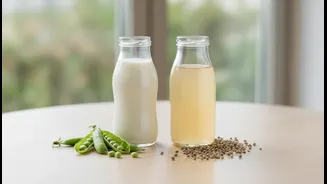
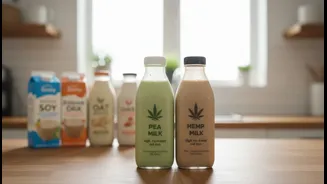
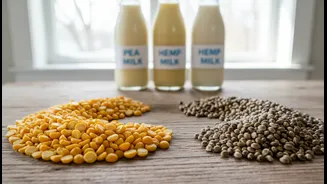
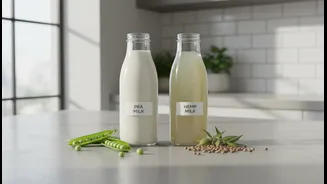
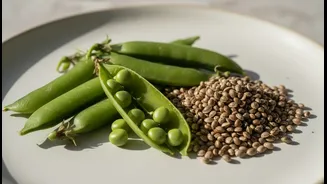
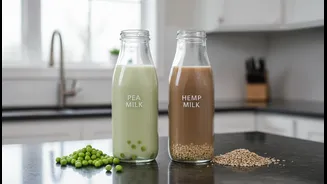
Before you choose a brand, it helps to know the key differences between these two plant-based powerhouses. Pea milk, made from yellow pea protein, is a protein champion. Many brands offer around 8 grams of protein per cup, which is comparable to dairy
milk. This makes it excellent for satiety and muscle support. It tends to have a creamy texture and a mild, earthy taste. Hemp milk, made from hemp seeds, is a leader in healthy fats. It provides a good dose of omega-3 and omega-6 essential fatty acids, which are beneficial for heart and skin health. While lower in protein than pea milk (around 3 grams per cup), it offers a complete protein source and has a distinct nutty flavour.
Rule 1: Prioritise Protein
If a filling, nutrient-dense milk is your goal, the protein content is your first checkpoint. Pea milk is the clear winner in this department and is an excellent choice for anyone looking to boost their protein intake, including athletes and growing children. When you're in the aisle, compare the nutrition labels. Look for brands offering 7-8 grams of protein per serving. Hemp milk is not a high-protein choice, so if you opt for it, be mindful of getting adequate protein from other sources in your diet.
Rule 2: Shun Added Sugars
Many plant-based milks, even seemingly healthy ones, contain hidden sugars to improve their taste. Always look for the word "unsweetened" on the front of the carton. Double-check the ingredients list to ensure there are no added sweeteners like cane sugar, agave, or corn syrup. The goal is to get a clean product where the natural flavour of the pea or hemp shines through. Added sugars contribute unnecessary calories and can negate the health benefits you are seeking.
Rule 3: Scan the Ingredients for Fortification
Dairy milk is a natural source of calcium and is often fortified with Vitamin D. Many plant milks try to replicate this nutritional profile. Look for pea and hemp milks that are fortified with calcium, Vitamin D, and Vitamin B12. Vitamin B12 is especially important for those on a vegan or plant-based diet, as it's not naturally present in plant foods. Good fortification turns your plant milk from a simple beverage into a valuable part of your daily nutrition. Some hemp milks contain naturally occurring calcium, but fortification often brings them closer to the levels found in dairy milk.
Rule 4: Be Wary of Gums and Fillers
To achieve a creamy, dairy-like consistency and prevent separation, many brands add thickeners and emulsifiers like gellan gum, guar gum, or xanthan gum. While these are generally considered safe, some people find they can cause bloating or digestive discomfort. Similarly, some brands add oils like sunflower oil to enhance creaminess. If you have a sensitive stomach or prefer a more minimalist product, look for brands with the shortest ingredient list possible — ideally just water, peas or hemp seeds, and maybe a little salt.
Rule 5: Consider a Milk's Best Use
The best milk for you also depends on how you plan to use it. Pea milk's high protein content and creamy texture make it a fantastic choice for frothing in lattes, adding to protein shakes, or using in baking and creamy sauces. Its relatively neutral flavour won't overpower your recipes. Hemp milk's nuttier, more pronounced flavour is delicious in cereals, oatmeal, and smoothies where its taste can be a feature. Its thinner consistency might not be ideal for coffee, but it’s a refreshing drink on its own.