



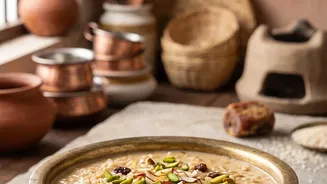

The lights have dimmed, the last of the celebratory sweets have been shared, and a quiet calm settles over homes. After the whirlwind of Diwali, our bodies often crave something simple, warm, and restorative. This is where Besan Sheera comes in.
The Quiet After the Festive Storm
Diwali
is a marathon of joy, a vibrant explosion of lights, sounds, and flavours. It involves days of preparation, socialising, and indulging in rich, delicious foods. While spiritually uplifting, the festival can leave us feeling physically drained. The combination of late nights, endless platters of mithai and fried snacks, and the general excitement can take a toll. In the days that follow, there's a collective sigh of contentment mixed with a hint of fatigue. It is in this quiet aftermath that many Indian households turn to time-tested traditions not just for sustenance, but for gentle recovery.
A Bowl of Golden Comfort
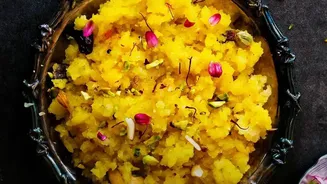
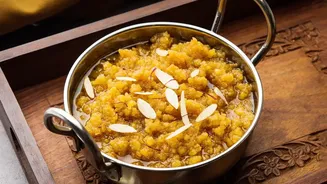
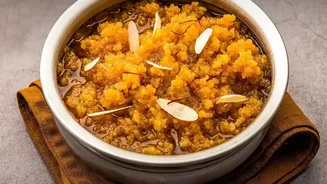
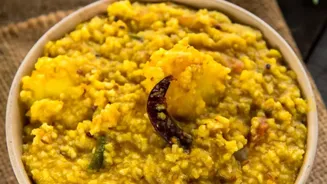
Enter Besan Sheera, or Besan ka Halwa. It is a simple, unassuming dish with a powerful legacy. At its heart, it’s a warm pudding made by slowly roasting gram flour (besan) in ghee until it releases a wonderfully nutty aroma. Hot milk or water is then whisked in, along with a sweetener like sugar or jaggery, and often spiced with cardamom, turmeric, or black pepper. Served hot, this golden, semi-thick concoction is the culinary equivalent of a warm hug. It’s not a flashy dessert like the ones that grace Diwali platters; instead, its beauty lies in its simplicity and its purpose as a nourishing comfort food.
Traditional Wisdom for Modern Recovery
The practice of eating Besan Sheera post-festival is rooted in traditional wisdom that aligns with what we now understand about nutrition. The changing weather around Diwali often brings a spike in coughs and colds. Besan Sheera has long been a trusted home remedy for a sore or scratchy throat. According to Ayurvedic principles, ghee lubricates the throat, while spices like turmeric and black pepper have natural anti-inflammatory and antibacterial properties that can offer relief. Gram flour itself is a powerhouse of nutrients, including protein and antioxidants that help clear the nasal tract and fight the fatigue that often accompanies a cold. The warmth of the dish provides immediate soothing comfort, making it a go-to remedy in many Punjabi households.
More Than a Remedy, It's a Ritual
Beyond its therapeutic properties, preparing Besan Sheera is a ritual of winding down. After days of elaborate cooking, the act of stirring a single pot on the stove feels grounding. It marks a return to simple, wholesome, homemade food. The gentle aroma of roasting besan signals a shift from celebration to restoration. This dish is about providing care. It’s what mothers and grandmothers have traditionally made to soothe and comfort their families after a period of exertion. It provides a dose of instant energy through easily digestible fats and carbohydrates, helping to replenish reserves depleted during the festive rush.
The Enduring Appeal of Simplicity
In an era of complex diets and fleeting food trends, the enduring appeal of Besan Sheera lies in its authenticity and effectiveness. It serves as a reminder that food can be both a pleasure and a form of care. The core ingredients—besan, ghee, and milk—are staples in most Indian kitchens, making it an accessible source of comfort. Whether consumed to soothe a cold or simply as a way to ease back into routine after Diwali's exuberance, this humble dish represents a deep-seated cultural understanding of food as a source of warmth, healing, and connection. It’s a tradition that nourishes the body and the soul, one warm spoonful at a time.