






A River of Glass
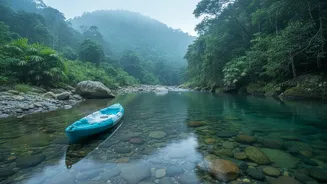
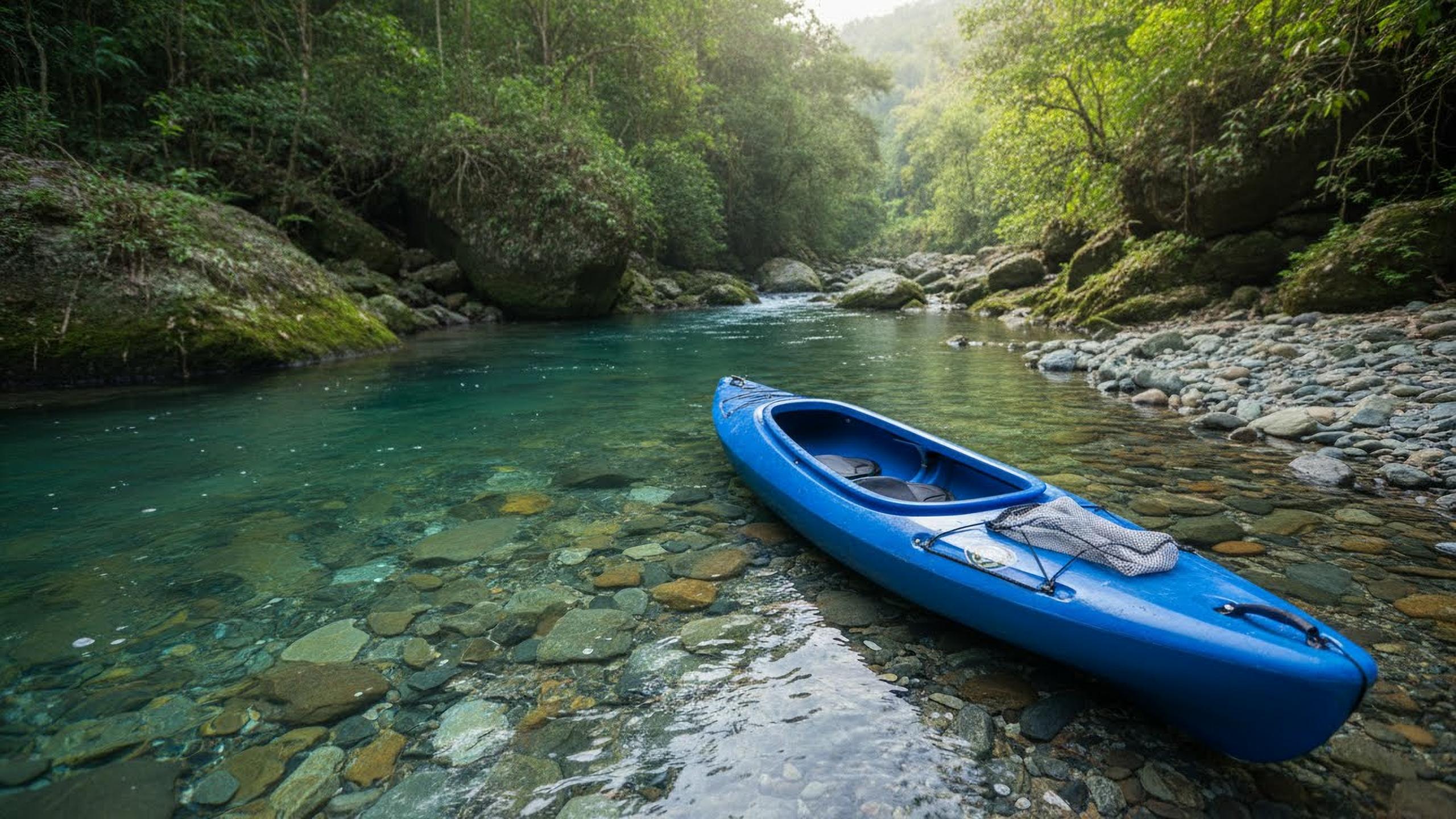
Meghalaya's Umngot River, particularly around the villages of Shnongpdeng and Dawki, has become an icon of natural beauty in India. Its water is famously transparent, offering surreal views of the riverbed's stones and fish, creating the illusion that
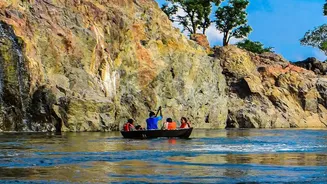
the colourful boats are suspended in mid-air. This crystal-clear quality has made kayaking here a bucket-list item for travellers seeking tranquillity and breathtaking scenery. Paddling on the calm, emerald-green water, surrounded by the lush Khasi and Jaintia Hills, is an experience that connects you deeply with nature. The gentle current makes it an accessible adventure for everyone, from novice paddlers to seasoned experts, offering a unique and peaceful way to explore the river's hidden corners.
The Rise of Conscious Adventure
The very beauty that draws visitors to the Umngot is fragile. With a surge in popularity, concerns about pollution and the impact of 'overtourism' have emerged. In late 2025, the river's clarity was temporarily affected by nearby road construction, causing alarm among locals whose livelihoods depend on tourism. This event, coupled with a growing desire among travellers for more meaningful experiences, has sparked a shift towards responsible tourism. Local communities and tour operators are increasingly promoting eco-friendly practices. This has led to the organic integration of environmental action into the adventure itself, transforming a simple kayaking trip into a proactive gesture of preservation.
Paddling with a Purpose
So, what does this 'kayak and clean' model look like in practice? While not yet a formalized, large-scale program, it is a community-driven movement. Guides, deeply connected to the river's health, often encourage tourists to participate in small-scale clean-up efforts during their excursions. It's a simple but effective system. Kayakers are provided with mesh bags or small nets to collect any floating debris they encounter, such as plastic wrappers or bottles. The activity doesn't detract from the adventure; instead, it adds a layer of purpose. Paddling becomes a treasure hunt for trash, turning visitors into temporary guardians of the ecosystem they are there to enjoy. This hands-on approach fosters a powerful sense of ownership and responsibility, leaving a more significant impact than a simple donation.
More Than Just a Clean-Up
The benefits of this burgeoning trend extend far beyond the litter collected on a single day. It represents a powerful form of education and advocacy. Tourists who participate leave with a profound appreciation for the effort it takes to maintain such a pristine environment. They become ambassadors for responsible travel, sharing their experiences and influencing others. This movement also reinforces the state government's broader push for sustainable tourism. Initiatives like the 'Green Deposit' scheme, where tourists pay a refundable deposit for any plastic they bring into eco-sensitive zones like Dawki, show a top-down commitment to tackling pollution. When combined with the grassroots efforts of tourists and local guides, it creates a holistic model for preserving Meghalaya's natural wonders for generations to come.