







A Freeze Born from Politics
Direct trade between the two nuclear-armed neighbours has been in a deep freeze since 2019. Following the Pulwama terror attack, India revoked Pakistan's Most Favoured Nation (MFN) status and imposed a 200% tariff on Pakistani imports. Pakistan responded
by suspending almost all trade ties with India. These actions brought official bilateral commerce, which stood at USD 2.41 billion in 2017-18, to a near-standstill. The primary land crossing at the Attari-Wagah border, once a symbol of limited but vital trade, now sees little commercial movement, impacting thousands of livelihoods in the border region.
The Dubai Detour
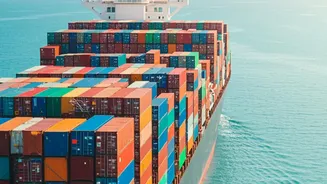
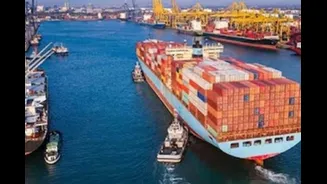
Despite the official halt, economic necessity has carved out alternative pathways. The most prominent of these routes runs through the United Arab Emirates, particularly Dubai, with other hubs like Singapore and Colombo also playing a role. Indian goods are shipped to these intermediary ports, where they are often stored in bonded warehouses. Here, third-party firms may alter documentation and labels, effectively changing the country of origin before the goods are re-exported to Pakistan. This transshipment model operates in a regulatory grey area, allowing businesses to bypass direct trade restrictions and serve persistent market demand. While official figures are difficult to ascertain, a 2025 report from the Global Trade Research Initiative (GTRI) estimated that Indian goods worth over USD 10 billion reach Pakistan annually through these indirect channels.
What Crosses the Indirect Border
The composition of this indirect trade underscores critical dependencies. Pakistan's pharmaceutical industry, for instance, relies heavily on raw materials from India. In the 2025-26 fiscal year, organic chemicals and pharmaceutical products, including vaccines, accounted for over 96% of Pakistan's recorded imports from India. Similarly, Pakistan's textile industry, facing domestic cotton shortages, sources material that often originates in India. In the other direction, Pakistani goods like dates, textiles, and cement also find their way to Indian markets through similar third-country routes. The trade also includes machinery, electronics, and agricultural products.
The High Cost of Workarounds
While these channels keep goods moving, they come at a significant cost. The involvement of intermediaries, plus additional shipping and paperwork, inflates prices for businesses and, ultimately, consumers in both nations. It also means that both governments lose out on substantial customs revenue that formal trade would generate. Business groups in Pakistan have been vocal about the economic damage. The Pak-India Business Council recently estimated that the suspension of direct trade has resulted in economic losses of around USD 40 billion for Pakistan since 2019, due to higher import costs for essential materials.
Calls to Reopen Formal Channels
The persistence of this indirect trade highlights a powerful economic logic that defies political barriers. Business communities in both India and Pakistan have repeatedly called for the normalisation of trade relations. Proponents argue that restoring direct trade would slash costs for key industries like pharmaceuticals and textiles in Pakistan, potentially saving billions of dollars annually. They point to the untapped potential for bilateral trade, which a World Bank study once estimated could be as high as USD 37 billion. For now, however, any significant thaw remains contingent on the political climate, leaving the roundabout route through Dubai as the main conduit for commerce between the two neighbours.