
Start With a Statement Plant
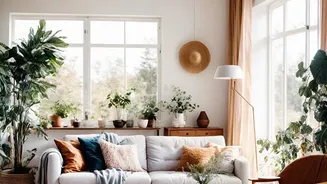
The most common mistake when decorating with plants is scattering many small pots around a room, which can feel cluttered and unfocused. Instead, interior designers often start with one large statement plant. This plant acts as an anchor for the room's
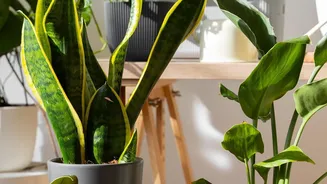
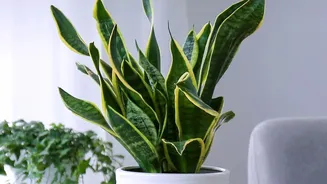
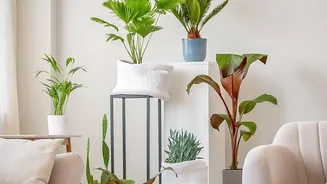
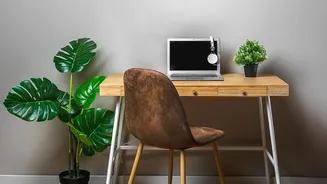
greenery. A tall Fiddle Leaf Fig beside a sofa, a dramatic Bird of Paradise in a bright corner, or a large Snake Plant can provide an immediate focal point. This single, impactful plant does more to define the space than half a dozen smaller ones combined. Think of it as the main character in your room's plant story; everything else is a supporting player. Once your anchor is in place, you can begin to build around it with intention.
Create Layers With Varying Heights
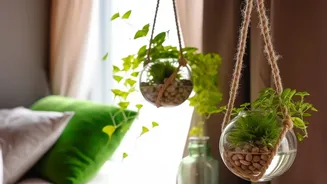
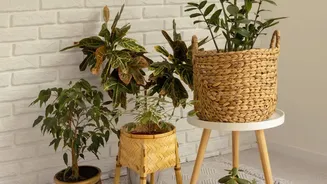
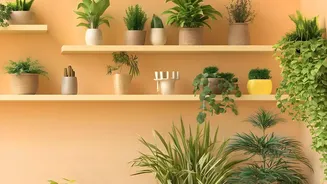
A flat row of plants, all at the same level, can look static. To create a dynamic, natural feel, think in layers. Professional designers use height to draw the eye upwards and create visual interest. You can achieve this by combining tall floor plants, medium-sized plants on stands or tables, and low or trailing plants that soften the edges of shelves. Don't be afraid to get creative with elevation. Use a stack of books, a small stool, or a decorative box to give a smaller pot a lift. Hanging planters are another excellent tool, allowing you to utilize vertical space and add greenery at eye level, making even small rooms feel lusher and larger.
Mix Up Leaf Shapes and Textures
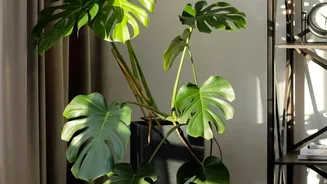
Once you have established different heights, focus on the shapes of the leaves. A collection of plants becomes far more interesting when you introduce variety in foliage. Contrast the large, paddle-shaped leaves of a Fiddle Leaf Fig with the delicate, feathery fronds of a fern. Pair the sharp, upright leaves of a Snake Plant with the soft, cascading vines of a Pothos. Think about texture, too. Some leaves are glossy and waxy, others are soft and fuzzy. This interplay of different shapes and textures prevents your plant arrangement from looking monotonous and instead creates a rich, layered tapestry of greenery that is visually engaging.
Group Plants for Greater Impact
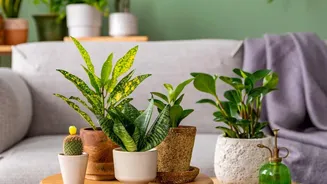
While a single statement plant can stand alone, smaller plants often look best when grouped together. A lone, small pot can seem lost, but three or five grouped together create a purposeful display. Many designers follow the 'rule of three,' which suggests that items arranged in odd numbers are more pleasing to the eye. When creating a group, use the principles of height and shape. A popular formula is 'thriller, filler, spiller': a tall, upright plant (the thriller), a medium, bushy plant (the filler), and a trailing plant that cascades over the pot's edge (the spiller). This creates a balanced and complete mini-ecosystem that feels designed rather than accidental.
Consider the Pots and Planters
The containers you choose are just as important as the plants themselves. Your pots can unify your display or add a pop of colour and texture. For a cohesive, calm look, you might choose pots that are all the same colour but vary in size and shape. For a more eclectic style, you can mix materials like ceramic, terracotta, and woven baskets. Plant stands are another key element, not only for adding height but also for matching your decor style, whether it's mid-century modern or rustic farmhouse. The pot is the frame for your living artwork, so choose one that complements both the plant and the room's overall aesthetic.