







From Farmer's Fuel to Wellness Elixir
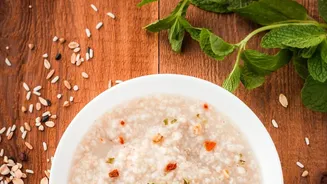
First, what exactly is Ambali? Known also as Ragi Java, it's a traditional South Indian beverage made from finger millet (ragi) flour. The flour is cooked into a paste and often left to ferment overnight, which gives the drink its distinct tangy flavour.
For centuries, it has been the go-to fuel for farmers in states like Karnataka, Andhra Pradesh, and Telangana, consumed at dawn for its slow-releasing energy and cooling properties. Traditionally served savoury with buttermilk and salt or sweet with jaggery, this versatile drink was a cornerstone of rural sustenance long before 'superfood' became a buzzword.
The Probiotic Powerhouse
The secret to Ambali's modern appeal is fermentation. This natural process transforms the simple porridge into a rich source of probiotics, the beneficial bacteria crucial for a healthy gut. The fermentation cultivates live cultures like Lactobacillus, similar to those in yoghurt, which help improve digestion and nourish the gut microbiome. Furthermore, this process significantly breaks down phytic acid, an anti-nutrient in ragi that can block mineral absorption. By reducing phytic acid, fermentation makes the abundant calcium and iron in finger millet more bioavailable, meaning your body can actually use these vital nutrients more effectively.
A Nutritional Profile Built for Modern Needs
Beyond its probiotic benefits, Ambali is a nutritional heavyweight. Ragi itself is a gluten-free grain celebrated for being one of the richest plant-based sources of calcium, essential for bone health. It's also packed with dietary fibre, which aids digestion and promotes a feeling of fullness, making it a great option for weight management. With a low glycemic index, it provides sustained energy without the sugar spikes associated with processed drinks, appealing to health-conscious consumers and those managing blood sugar levels. For a population where issues like anaemia are prevalent, ragi's high iron content is another significant plus.
The Business of Authenticity
For cafes, adding Ambali to the menu is more than just a nod to health; it's a savvy business decision. As urban diners increasingly seek authentic, regional foods, traditional recipes offer a unique selling proposition. The 'back to our roots' movement has sparked a renewed appreciation for indigenous grains and ancestral wisdom. Offering Ambali allows cafes to stand out from the crowd of identical coffee menus and cater to a broader audience, including older patrons and wellness-focused millennials. Furthermore, ingredients like ragi often have a more stable and cost-effective local supply chain compared to imported 'superfoods' like quinoa or avocados, protecting businesses from market volatility.
A Modern Makeover
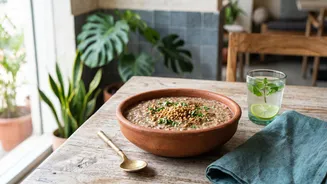
While the soul of Ambali is ancient, its presentation is getting a contemporary upgrade. Cafes are serving it chilled in stylish glasses, garnished with fresh mint or infused with new flavours, making it more visually appealing and approachable for a younger, Instagram-savvy audience. This modern facelift is part of a larger trend that has seen other traditional Indian functional foods like Sol Kadhi and Kanji find new life on city menus. It represents a fusion of ancient nutritional knowledge with modern lifestyle trends, celebrating India’s rich culinary heritage in a format that resonates with today’s consumer.