


Grains, Flours, and Lentils
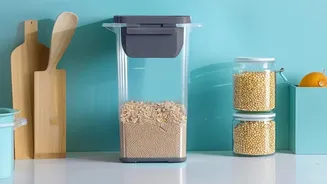
The staples of the Indian kitchen—like atta, rice, and dals—are highly susceptible to moisture, which can lead to mould and insect infestations. The primary rule is to get them out of their original paper or plastic bags immediately. Transfer them into
completely dry, airtight containers made of glass or steel, which are superior to plastic as they don't absorb moisture or odours. For an extra layer of protection, consider lightly dry-roasting items like sooji (rava) and flours before storing. This simple step removes excess moisture and extends their shelf life significantly. A traditional and effective trick is to add a few dried bay leaves (tej patta) or cloves to your grain containers; their natural properties help repel pests.
Spices and Seasonings
Humidity is the ultimate enemy of your precious masalas, causing them to clump, lose their aroma, and even grow mould. The key is to store them in a cool, dark place away from the stove and sink, as heat and steam can ruin them. Use airtight glass jars, as they preserve the essential oils much better than plastic containers. A crucial habit to adopt is to always use a completely dry spoon when scooping out spices. Never sprinkle spices directly into a steaming pot from the container, as this allows moisture to get inside and cause clumping. If you live in an extremely humid area, food-grade silica gel packets can be placed inside spice jars to absorb any intrusive moisture.
Biscuits, Chips and Snacks
There's nothing more disappointing than reaching for a crunchy biscuit or a crisp packet of namkeen, only to find it has turned soft and stale. This happens because these items readily absorb moisture from the air. Your best defence is a high-quality airtight container. As soon as you open a packet, transfer the contents to a jar with a tight-fitting lid. Some suggest that placing a piece of blotting paper inside can help absorb any extra moisture. Another interesting hack is to store your biscuit jar in the refrigerator, which can help maintain crispness.
Fruits and Vegetables
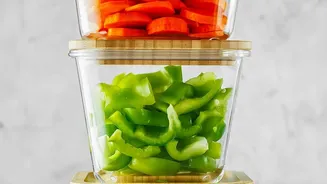
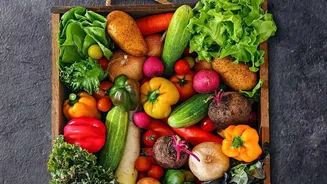
Fresh produce requires extra care during the monsoons. It's best not to wash most vegetables before storing them, as leftover moisture accelerates spoilage. Leafy greens like spinach and coriander should be wrapped in paper towels or a cloth to absorb excess moisture before being placed in a vegetable bag in the fridge. It's also wise to buy vegetables in smaller quantities more frequently rather than stocking up for the week. For root vegetables like carrots and potatoes, store them in a cool, dark place, and for things like bananas that ripen quickly in the humidity, wrapping the stems in foil can slow down the process.
Sugar, Salt and Jaggery
Like spices, sugar and salt are notorious for clumping together in the rain. Airtight containers are non-negotiable for these items. For salt, adding a few grains of uncooked rice or even a handful of rajma (kidney beans) to the jar can work as a natural desiccant, absorbing moisture and preventing clumps. Jaggery, or 'gur', can also get sticky and soft. It is best kept wrapped tightly and stored in a cool, dry place, or even in the refrigerator to maintain its hard texture and prevent it from melting in the humid conditions.