


Why Rice Water Works
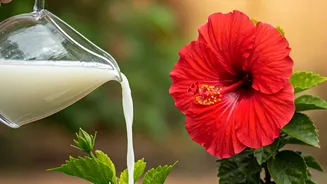
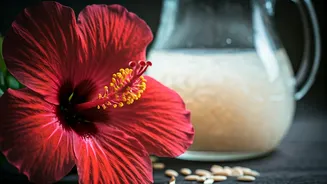
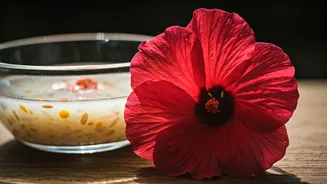
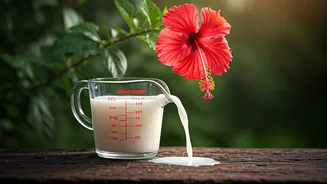
Before you pour this cloudy liquid onto your prized hibiscus, it helps to understand why it’s considered beneficial. The water you use to rinse uncooked rice absorbs starches and trace amounts of minerals from the grains. These include nitrogen, phosphorus,
and potassium (NPK)—the three primary macronutrients found in most commercial plant fertilisers. While the concentrations are very low compared to a store-bought feed, they provide a gentle, natural boost. The starch also feeds beneficial microbes in the soil, which helps improve soil structure and nutrient availability for the plant's roots. Think of it less as a powerful meal and more as a healthy, hydrating snack for your plants.
The Truth About 'Instant' Blooms
Here's a crucial reality check: no single ingredient will give you 'instant' blooms. Flowering is a complex process that depends on a plant receiving the right amount of light, water, nutrients, and appropriate temperatures. The headline’s promise is an exaggeration, but it’s rooted in a kernel of truth. Using rice water can contribute to the overall health and vigour of your hibiscus. A healthier, well-nourished plant is far more likely to produce abundant and vibrant flowers. So, while you won't feed it today and see a new blossom tomorrow, consistent use as part of a good care routine can definitely lead to a better-looking plant with more frequent and impressive blooms over the course of a flowering season.
The Correct Way to Prepare and Use It
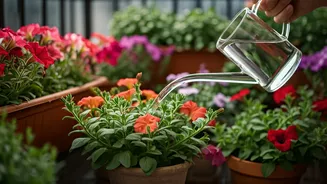
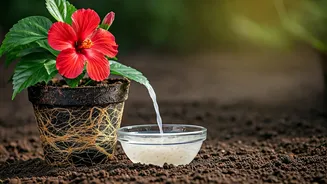
Getting this right is key to avoiding problems like pests or mould. The process is simple. After you rinse your rice before cooking, save the cloudy water from the first or second rinse. The water from the third rinse is usually too clear to be of much benefit. The most important step is dilution. Undiluted rice water can be too starchy, leading to a glue-like film on the soil surface that can hinder aeration and attract pests. A safe and effective ratio is 1:1, meaning one part rice water to one part plain water. Mix them together, and it's ready to use. Simply water your hibiscus with this diluted solution as you would with regular water, ensuring you saturate the root zone.
How Often Should You Apply It?
More is not always better. Because rice water contains organic matter, using it too frequently can lead to fermentation in the soil, creating a sour smell and potentially causing root rot. A good rule of thumb is to use the diluted rice water solution once every two to four weeks during the growing season (spring and summer). In the winter, when the plant's growth slows down, reduce the frequency to once a month or stop altogether. Always apply it to soil that is slightly moist, not bone dry, to help with absorption. Use it in place of a regular watering session; don't add it on top of an already watered plant, as this can lead to overwatering.
Common Mistakes to Avoid
To ensure your plant gets the benefits without the risks, steer clear of these common errors. First, never use water from rice that has been salted or had oil added to it. Salt is toxic to most plants, and oil can clog soil pores and harm roots. Second, only use fresh rice water. If you let it sit for more than 24 hours, it will begin to ferment and develop harmful bacteria. If it smells sour, it’s best to discard it. Third, avoid using it on succulents or plants that prefer very dry conditions. Finally, remember this is a supplement, not a replacement for good soil and proper fertiliser. If your plant shows signs of a serious nutrient deficiency (like widespread yellowing leaves), rice water alone won't be enough to fix it.