





Think Vertically: The Untapped Real Estate
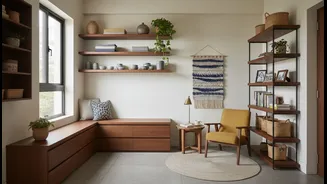
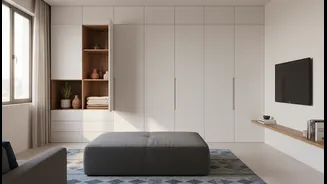
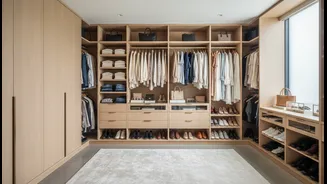
In compact Indian apartments, the most underutilised space is often vertical. When floor space is at a premium, look up. Floor-to-ceiling wardrobes are a game-changer, instantly adding up to 30% more storage. This extra loft-like space is perfect for
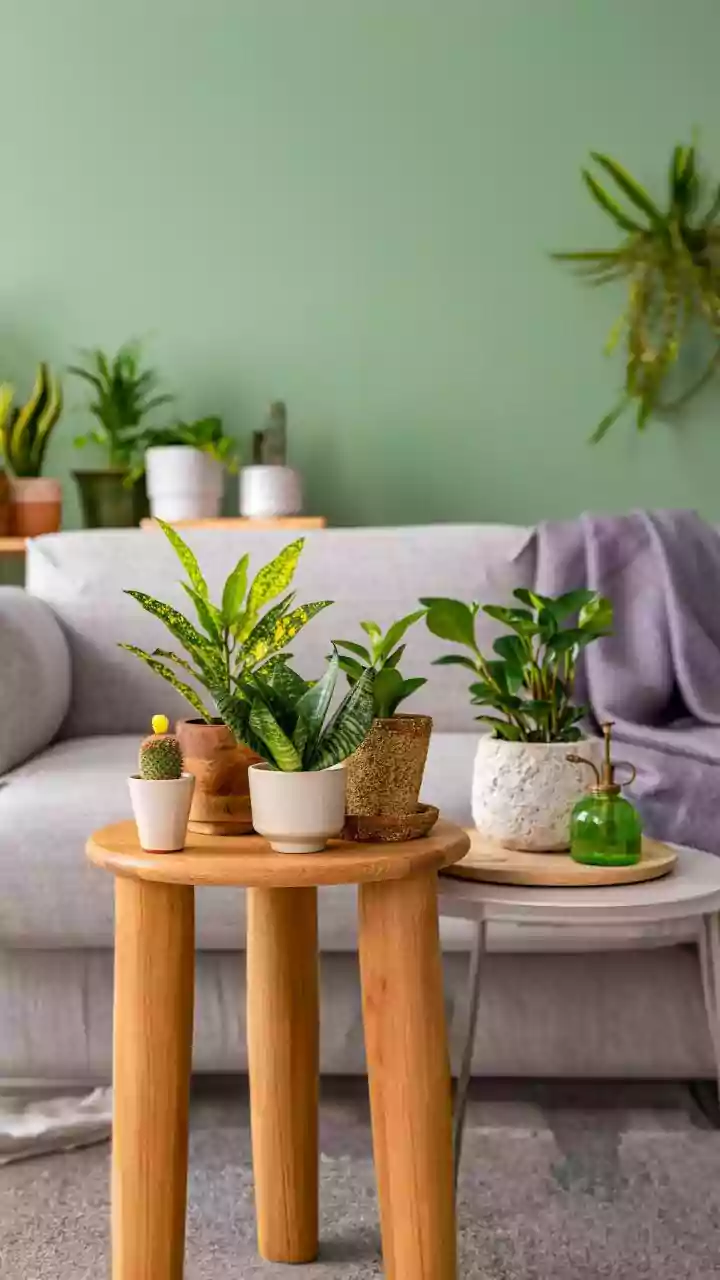
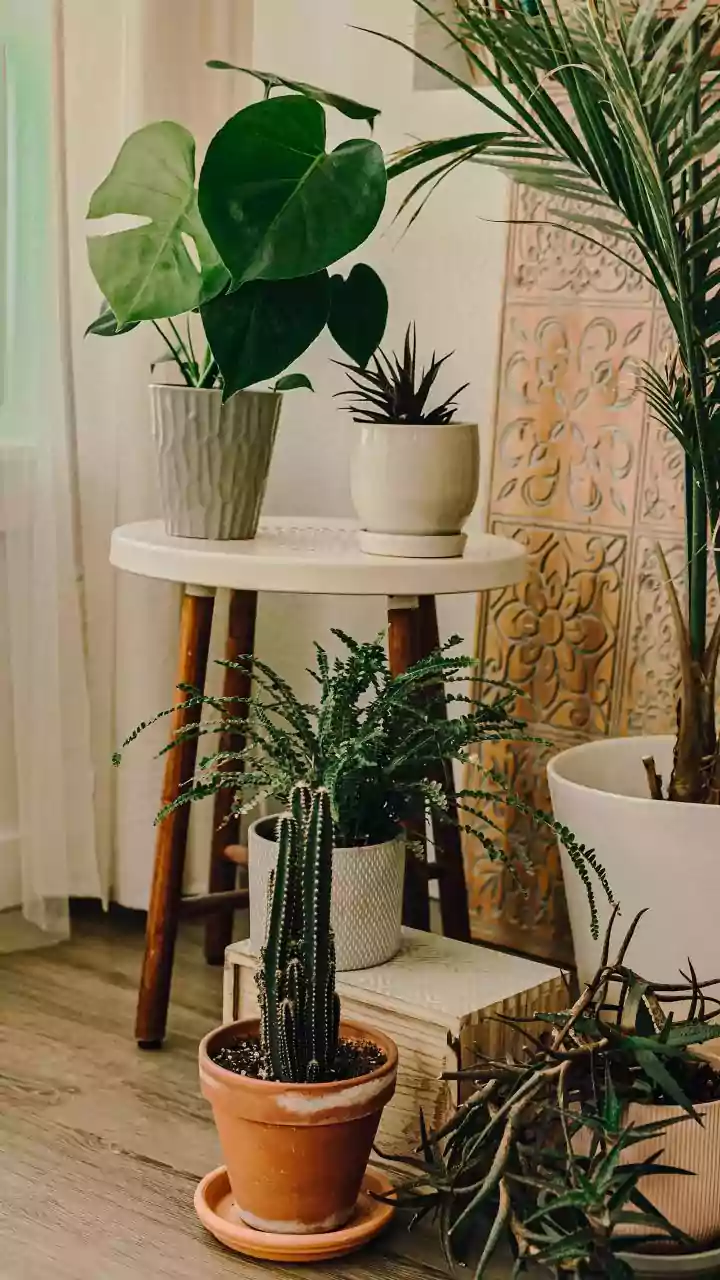
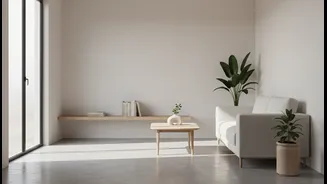
stashing away items you don't need daily but can't discard, such as suitcases, seasonal razais and blankets, or boxes of festive decorations. In the kitchen, this means installing cabinets that reach the ceiling to store occasional-use utensils and appliances. Similarly, floating shelves mounted on 'dead' wall spaces—above doorways, windows, or even your TV unit—can turn empty areas into functional spots for books, plants, or décor without taking up any floor area.
The Multi-Functional Furniture Mantra
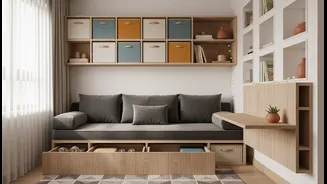
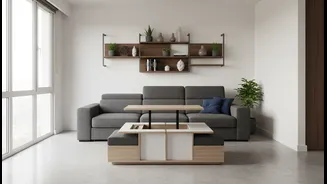
In a home where the living room doubles as a workspace and sometimes a guest room, furniture must work harder. Multi-functional pieces are essential for Indian homes. A sofa-cum-bed is a classic example, serving as a comfortable seating area by day and an extra bed by night. Many modern designs come with built-in storage, perfect for bedding or cushions. Similarly, a set of nesting tables can replace a single bulky coffee table, offering flexible surfaces when you have guests and stacking away neatly afterwards. Storage ottomans are another clever solution; they act as extra seating, a footrest, and a hidden spot for toys, magazines, or remote controls.
Reimagining the Indian Wardrobe
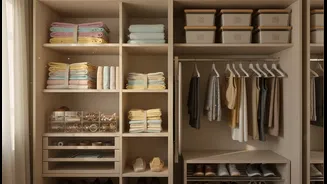
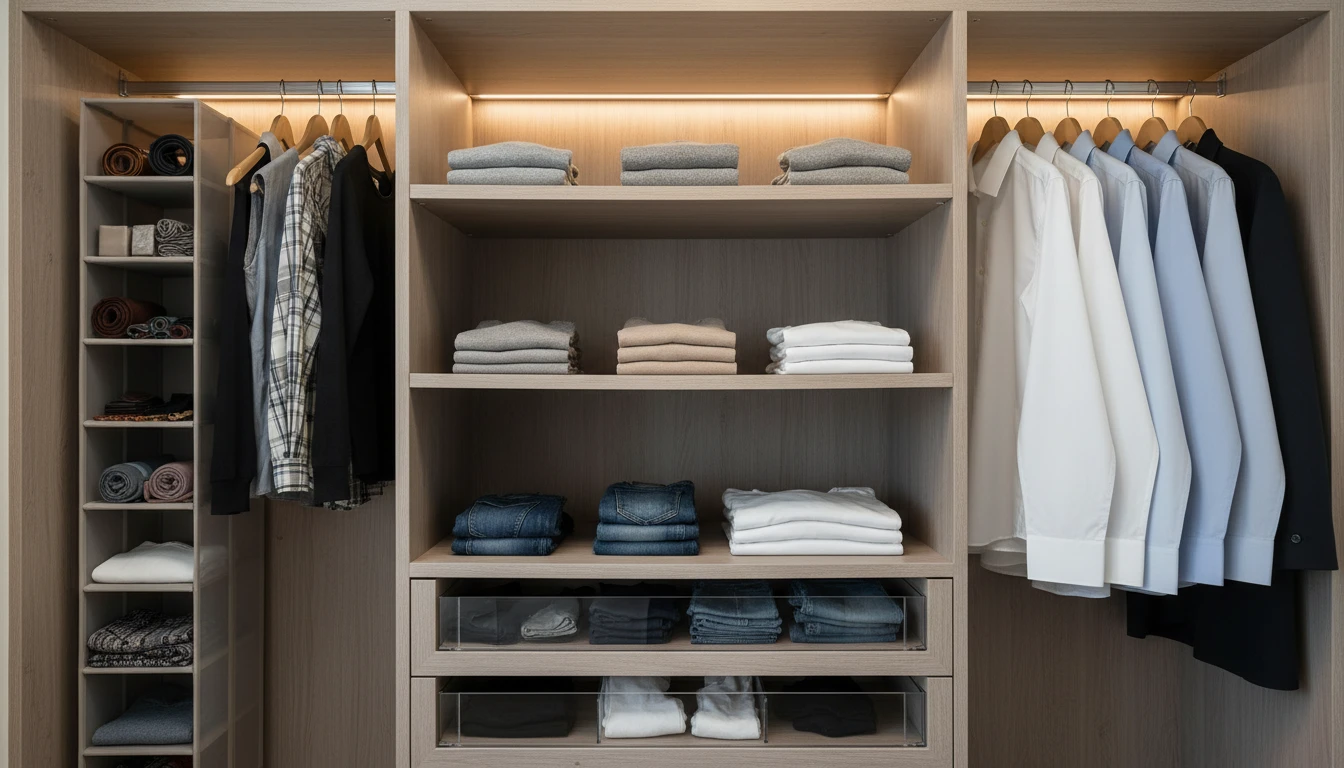
The Indian wardrobe is unique, holding everything from daily kurtas and jeans to heavy lehengas and delicate silk sarees. Traditional storage methods often fail here. Instead of stacking, think about filing. Folding clothes vertically, Marie Kondo style, in drawers or bins allows you to see everything at a glance. For sarees, using dedicated saree bags protects delicate embroidery and prevents creasing, especially for silks and heavily worked pieces. Hanging them is even better for preventing folds. Using slim, felt hangers can create more hanging space. Modular inserts inside your wardrobe can create dedicated zones for different items—a section for hanging kurtas, drawers for blouses and petticoats, and shelves for folded denims. Sliding wardrobe doors are another small but significant upgrade, as they don't require clearance to swing open, a valuable asset in a cramped bedroom.
The Art of Seasonal and Hidden Storage
Many Indian households have items that are only used seasonally. Storing these smartly is key to reducing daily clutter. Hydraulic or drawer-based storage beds are invaluable, turning the entire space under your mattress into a massive, hidden compartment. This is the ideal home for winter woollens, heavy quilts, and luggage. For heavy ethnic wear that is worn infrequently, vacuum-sealed bags can drastically reduce their volume while protecting them from dust and moisture. The simple act of creating a 'one-in, one-out' rule can also prevent accumulation; for every new item you bring in, an old one must go. This mindset shift is crucial for maintaining an organised space long-term.
Beyond the Bedroom: Kitchen and Utility Hacks
Clutter isn't confined to the bedroom. Indian kitchens, filled with spices, dals, and a variety of utensils, can quickly become chaotic. Use wall-mounted racks or pegboards to hang pots, pans, and ladles, freeing up precious counter space. In bathrooms, recessed wall niches provide shelf space without protruding into the room. A mirror that doubles as a cabinet is another classic space-saver. Simple over-the-door hooks in any room can create instant storage for bags, towels, or scarves, keeping them off chairs and beds. Even the often-ignored space under a staircase can be transformed with custom-built drawers, perfect for shoes or cleaning supplies.