


Your New Pantry Staple
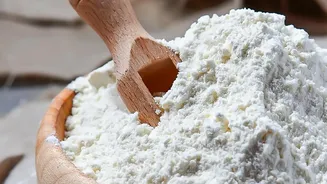
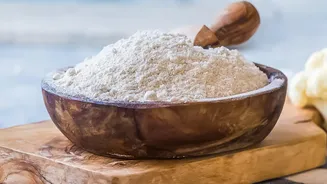
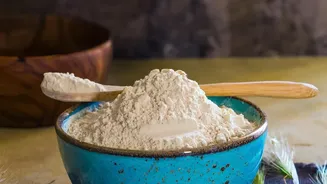
Arrowroot flour, also called arrowroot starch, is a fine white powder extracted from the roots of the Maranta arundinacea plant. Naturally grain-free and gluten-free, it’s a fantastic alternative to cornstarch, especially for those with corn sensitivities
or following a paleo diet. Its primary superpower is thickening liquids. Unlike cornstarch, which can turn sauces cloudy, arrowroot creates a clear, glossy finish, making it ideal for fruit glazes and vibrant sauces. It also thickens at a lower temperature and holds up well in acidic mixtures, where cornstarch can falter. However, be careful with high heat; prolonged cooking can cause it to lose its thickening power. The key is often to add it as a slurry (mixed with a little cold water) toward the end of cooking.
1. For a Flawless, Lump-Free Gravy
Tired of lumpy or chalky gravy? Arrowroot is the answer. It creates a silky-smooth texture without any residual starchy taste. Because it mixes so well and thickens without high heat, you can achieve a perfect consistency with very little effort. This recipe is a simple, foolproof way to accompany any roast dinner. Ingredients: 2 tablespoons of meat drippings or butter, 2 tablespoons of arrowroot flour, 2 cups of warm beef or chicken broth, salt and pepper to taste. Instructions: In a saucepan over medium heat, melt the butter or heat the drippings. Whisk in the arrowroot flour to form a smooth paste, or roux. Slowly pour in the warm broth while whisking continuously to prevent lumps. Bring the mixture to a simmer, and it will thicken almost immediately. Continue to stir for another minute, then remove from heat. Season with salt and pepper and serve immediately.
2. For Unbeatably Crispy Coatings
Arrowroot’s fine, powdery texture makes it an exceptional coating for frying or baking, creating a light, crispy crust that cornstarch and wheat flour often can't match. It gives foods like chicken, tofu, or even vegetables a satisfying crunch without feeling heavy or greasy. Ingredients: 500g chicken breast or firm tofu, cut into bite-sized pieces; 1/2 cup arrowroot flour; 1 teaspoon paprika; 1 teaspoon garlic powder; salt and pepper to taste; oil for frying. Instructions: Pat the chicken or tofu pieces completely dry. In a shallow bowl, mix the arrowroot flour with the paprika, garlic powder, salt, and pepper. Dredge each piece in the arrowroot mixture, ensuring it is fully coated. Heat a generous amount of oil in a large skillet over medium-high heat. Carefully place the coated pieces in the hot oil, ensuring not to overcrowd the pan. Fry for 3-5 minutes per side, until golden brown and cooked through. Remove and drain on a wire rack.
3. For a Silky, Smooth Pudding
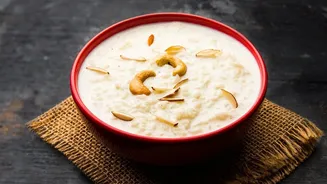
In desserts, arrowroot shines by creating a delicately set, smooth consistency. It’s perfect for puddings and custards where a silky mouthfeel is desired. While some caution against using it with dairy as it can occasionally become 'slimy' if overheated, a gentle hand yields beautiful results. This simple vanilla pudding is a great example of its power. Ingredients: 2 cups of whole milk (or coconut milk), 1/2 cup sugar, 1/4 cup arrowroot powder, 1 teaspoon vanilla extract, a pinch of salt. Instructions: In a medium saucepan, whisk together the arrowroot powder, sugar, and salt. Slowly pour in the milk, whisking constantly until the mixture is completely smooth. Place the saucepan over medium heat and continue to stir or whisk constantly as the mixture heats up. Once it begins to bubble and thicken (about 5-7 minutes), remove it from the heat immediately. Stir in the vanilla extract. Pour into serving dishes and let cool before refrigerating for at least two hours to fully set.
4. For Tender, Gluten-Free Cookies
When used in baking, arrowroot flour can lighten the texture of gluten-free goods, creating a softer, more tender crumb. It helps mimic the softness that wheat flour provides, preventing the dense or gritty texture that can sometimes plague gluten-free recipes. These simple shortbread-style cookies showcase its delicate touch. Ingredients: 1 cup almond flour, 1/4 cup arrowroot flour, 1/4 cup melted butter or coconut oil, 3 tablespoons maple syrup or honey, 1 teaspoon vanilla extract, 1/4 teaspoon salt. Instructions: Preheat your oven to 175°C (350°F) and line a baking sheet with parchment paper. In a medium bowl, whisk together the almond flour, arrowroot flour, and salt. In a separate bowl, mix the melted butter, maple syrup, and vanilla. Pour the wet ingredients into the dry and stir until a dough forms. Roll the dough into small balls and place them on the baking sheet, flattening each one slightly with your palm. Bake for 10-12 minutes, or until the edges are lightly golden. Let them cool completely on the baking sheet before moving.
5. For a Clear, Glossy Fruit Pie Filling
This is where arrowroot truly outperforms cornstarch. When making pie fillings with acidic fruits like berries or citrus, cornstarch can break down or create a cloudy, murky appearance. Arrowroot, however, withstands the acid and creates a stunningly clear, glossy gel that lets the fruit’s natural colour and flavour shine through. Ingredients: 4 cups of mixed berries (fresh or frozen), 1/2 cup sugar, 3 tablespoons arrowroot flour, 1 tablespoon lemon juice. Instructions: If using frozen berries, thaw them first and drain any excess liquid. In a saucepan, toss the berries with sugar, arrowroot flour, and lemon juice. Cook over medium heat, stirring gently, until the sugar dissolves and the mixture begins to bubble and thicken. The filling will become clear and glossy. Remove from heat and let it cool completely before pouring it into your prepared pie crust. Bake the pie according to your crust’s instructions.