






The Real Dangers of a Clogged Drain
It’s easy to obsess over keeping our plants lush and vibrant, and fertiliser often feels like the key. But what happens when you don't fertilise? Your plants might grow slower or produce fewer flowers. Now, consider what happens when your terrace drain
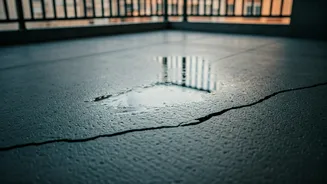
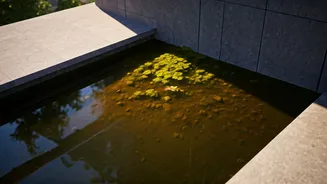
is clogged. Rainwater, or even excess water from your pots, has nowhere to go. This standing water quickly becomes a serious hazard. In India, stagnant water is a notorious breeding ground for Aedes mosquitoes, the carriers of dengue and chikungunya. Even a small, forgotten puddle can host a new generation of these dangerous pests. Beyond the health risks, pooled water can cause immense structural damage. It seeps into concrete, corrodes reinforcing steel, and weakens the building's integrity over time. This can lead to damp patches, mould growth inside your home, and costly, complicated repairs that far exceed the price of a bag of fertiliser.
A Hierarchy of Care: Safety First, Aesthetics Second
Think of your terrace as a complete system. The plants are the beautiful finishing touch, but the drainage is the foundation. A blocked drain isn't just an inconvenience; it’s a failure of the most basic function of your outdoor space: to handle the elements safely. While fertilising is about enhancing aesthetics, drain maintenance is about preserving health and structural safety. During a heavy monsoon downpour, a clogged drain can cause water to overflow into your home, damaging flooring, furniture, and walls. The problems are immediate and often expensive. The damage from a weak hibiscus bloom is, by contrast, zero. Prioritising a clear, functional drain means you are protecting your property and your family’s well-being first. A beautiful garden on a crumbling, leaky terrace is a house built on a weak foundation.
Your Simple Drain Maintenance Checklist
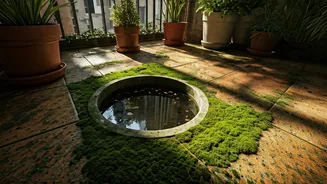
The good news is that keeping your drain clear is simple and requires far less thought than a complex fertilising schedule. A few minutes of attention every week or two can prevent almost all major issues. First, make it a habit to sweep your terrace regularly, clearing away fallen leaves, flowers, soil, and other debris that can wash into the drain. Second, install a mesh cover or screen over the drain opening. This is a simple, inexpensive way to block larger debris from entering the pipe while allowing water to flow through. Third, once a month, perform a quick flush. After clearing any visible debris from the grate, pour a bucket of hot water down the drain to wash away accumulating silt or grime. For a deeper clean, you can use a mixture of baking soda and vinegar to break down organic matter before flushing. Finally, always keep the drain outlet, where the water exits, free from obstructions like stored items or furniture.
More Than Just Water: Pests and Odours
A blocked drain doesn't just collect water; it accumulates a sludge of decomposing organic matter. This decaying mixture of wet soil, old leaves, and other debris creates an unpleasant, musty smell that can ruin the serene atmosphere of your terrace. Worse still, this gunk is an open invitation for pests. Cockroaches, flies, and even rats are attracted to the moisture and decaying material trapped in a clogged pipe. Instead of being a relaxing retreat, your terrace can become a source of foul odours and a gateway for household pests. A clean, free-flowing drain ensures your outdoor space remains a pleasant and hygienic extension of your home, contributing to your peace of mind in a way that an extra bloom or two simply cannot match.