




How to Read Any Nutrition Label in India
Before comparing the snacks, it's crucial to understand the basics of a nutrition label, which is regulated by the Food Safety and Standards Authority of India (FSSAI). The most important section is the ingredients list. Ingredients are listed in descending
order by weight, so the first few items make up most of the product. If sugar or refined flour is listed first, it's a red flag. Next, look at the 'per 100g' column in the nutrition table, not just the 'per serving' size. This allows for an honest comparison between different products. Pay attention to calories, protein, total carbohydrates (including sugars), fat, and sodium.
The Protein Bar: Convenience with Caveats
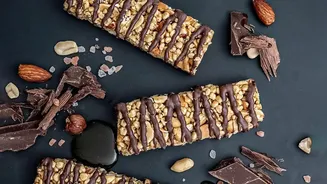
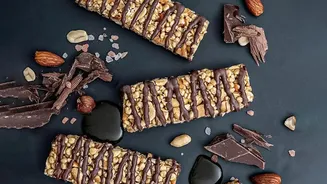
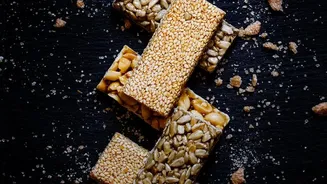
Protein bars are marketed as the ultimate fitness-friendly snack. The front of the pack often boasts 'high protein' claims. Under FSSAI rules, a solid food must contain at least 12g of protein per 100g to be labelled 'high in protein'. While many bars meet this, the real story is in the other ingredients. A huge number of protein bars are packed with hidden sugars like corn syrup, brown rice syrup, or fructose syrup. Others use sugar alcohols like maltitol and sorbitol to claim 'sugar-free', but these can cause bloating and digestive issues for many people. The ingredients list can often look like a chemistry experiment, full of artificial flavours, fillers, and preservatives. A good protein bar should have a short ingredient list with a recognisable protein source—like whey, casein, or pea protein—listed near the top.
Makhana: The All-Natural Deception
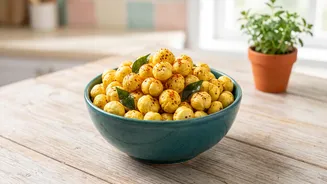
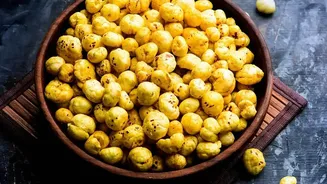
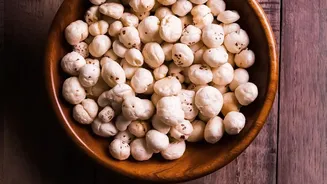
Plain, roasted makhana (fox nuts) are a nutritional powerhouse. They are naturally low in calories and fat, gluten-free, and a good source of minerals like magnesium and potassium. A 100g serving contains around 347 calories, 9.7g of protein, and a significant 14.5g of fibre, which helps you feel full. However, the makhana you find in colourful packets are often a different story. Flavoured varieties can be loaded with sodium (salt), unhealthy fats, and artificial seasonings, turning a healthy snack into something far less virtuous. When buying packaged makhana, check the label for sodium content and look for 'roasted' instead of 'fried'. The healthiest option is always to buy plain makhana and roast and season it yourself at home.
Head-to-Head: The Real Winner for Your Goals
So, which is better? The answer depends entirely on your needs. For a quick, high-protein hit after a workout, a carefully chosen protein bar with over 20g of protein is more effective. You would need to eat an impractically large amount of makhana to get the same protein boost. However, for everyday, guilt-free snacking, plain makhana is the cleaner choice. It's a whole food, minimally processed, and satisfies the desire for a crunchy, savoury snack without the high sugar and additives common in bars. For weight management, makhana's low-calorie, high-fibre profile makes it a smarter option to control hunger.
Look Beyond the Claims
Marketing terms like 'natural', 'clean', and 'healthy' are not strictly regulated and can be used to create a misleading health halo. The FSSAI does have guidelines for specific claims, but the front of the pack is designed to sell, not to inform. Always flip the pack over. The nutritional facts and the ingredients list tell the true story of what you're about to eat. A short list of recognisable, whole-food ingredients is almost always a better sign than a long list of complex chemical names. Making this a habit is the single best way to ensure your 'healthy' snack is actually good for you.