



A Torrent of Tourists
Recent data from the Singapore Tourism Board (STB) confirms the powerful resurgence of Indian tourism. Between January and June 2026, more than 600,000 Indian travellers landed in the city-state. This impressive figure reinforces India’s position as one
of Singapore's most critical source markets, following a strong showing in 2025 with 1.2 million total visitors. More than just footfall, Indian tourists are also significant spenders, contributing S$374 million in tourism receipts in just the first quarter of 2026—an 8% year-on-year increase, the highest growth among all of Singapore's source markets. This consistent performance highlights a deep-seated relationship between Indian travellers and the allure of the Lion City.
The Comfort of the Familiar
For many Indian families, couples, and solo travellers, Singapore has become a trusted, go-to destination. Its reputation for safety, impeccable cleanliness, and world-class public transport removes many of the anxieties associated with international travel. This sense of security is a huge draw. Add to that the hassle-free visa process for Indian passport holders, including streamlined online applications, and the logistical barriers to entry are significantly lowered. Furthermore, the strong cultural ties, a large Indian diaspora, and the sheer availability of Indian cuisine—from hawker centres to fine dining—make it feel like a home away from home, reducing the cultural friction that can sometimes accompany foreign trips.
Always Something New to Discover
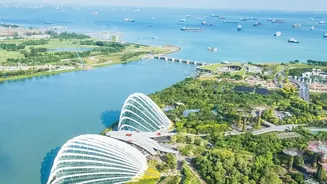
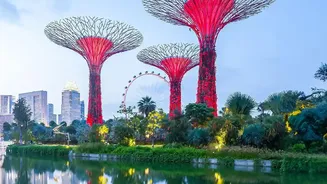
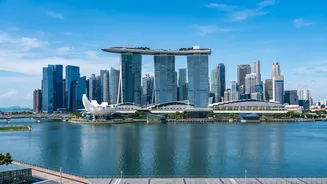
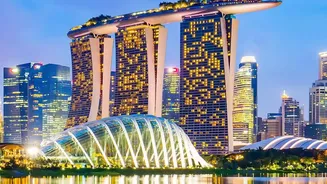
A key reason travellers return is that Singapore refuses to stand still. The city is in a constant state of reinvention, ensuring that a second or third visit is never a carbon copy of the first. While first-timers flock to Marina Bay Sands and Gardens by the Bay, repeat visitors can explore newer attractions like the Sensoryscape on Sentosa Island or immerse themselves in a vibrant calendar of events, from concerts to cultural festivals. The STB is actively working to keep the destination fresh, targeting younger travellers with campaigns focused on nightlife, music, and food culture. This strategy of continuous evolution transforms Singapore from a once-in-a-lifetime trip into a destination worth revisiting.
The Modern Indian Traveller
The Singapore story is also a story about the changing Indian consumer. The traditional, once-a-year, two-week-long international holiday is increasingly being supplemented, and sometimes replaced, by shorter, more frequent getaways. A growing middle class with higher disposable incomes, coupled with the proliferation of budget airlines and digital booking platforms, has made short-haul international travel more accessible than ever. A four-day trip to Singapore is now a feasible and affordable option for many. This trend reflects a broader shift towards experiential travel, where the goal is not just to see landmarks but to have immersive cultural, culinary, and recreational experiences. Singapore, with its compact size and dense collection of attractions, is perfectly suited to this bite-sized travel model.
A Blueprint for the Future
The India-Singapore travel corridor offers a compelling model for global tourism. By focusing not just on attracting first-time visitors but on encouraging repeat travel, the STB is building a more sustainable and predictable tourism base. Their strategy involves deep partnerships with travel platforms like MakeMyTrip and a clear focus on high-value travel segments like MICE (Meetings, Incentives, Conferences, and Exhibitions) and cruise tourism. As Indian outbound tourism is projected to grow exponentially—expected to reach over USD 68 billion by 2036—destinations that can master the art of the repeat visit will be the ones that thrive. It’s a move from simple attraction to long-term retention.