

The Science of Slow and Even Heat
Unlike metal pans that heat up quickly and can create hotspots, clay pots are designed for a slower, more gentle approach. Clay is naturally porous, which allows it to absorb heat gradually and distribute it evenly across the entire vessel. This slow-cooking
process prevents ingredients from scorching and allows complex flavours to develop fully. Spices, herbs, and aromatics release their essential oils slowly, infusing the dish with a depth of flavour that's hard to achieve with high-heat cooking. The result is a perfectly cooked meal where every component is tender and richly seasoned.
A Natural Moisture Lock
The porosity of clay is also key to retaining moisture. As the pot heats up, it creates a steamy environment inside, circulating moisture and bathing the ingredients in their own juices. This self-basting action keeps vegetables succulent and prevents dishes from drying out, often reducing the need for excess oil or water. Lentils become creamier, and vegetable curries develop a naturally rich gravy without extra thickeners. This gentle cooking method also helps preserve heat-sensitive nutrients and vitamins that can be lost in conventional high-temperature cooking.
Balancing Flavours with an Alkaline Touch
One of the most remarkable properties of natural clay is its alkaline nature. This characteristic plays a significant role in balancing the acidity of certain foods. When cooking with ingredients like tomatoes, tamarind, or yogurt, the alkaline clay interacts with the acids, neutralizing them to an extent. This process not only makes the food easier to digest but also brings out a subtle, natural sweetness you might not have noticed before. It’s why a tomato-based curry or a tangy sambar cooked in a clay pot, or 'handi', often tastes richer and more balanced.
Perfect Pairings for Your Clay Pot
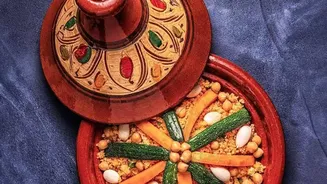
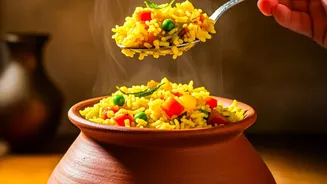
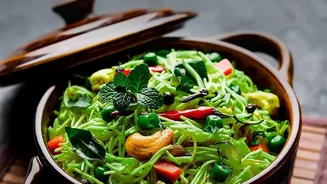
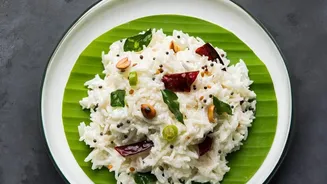
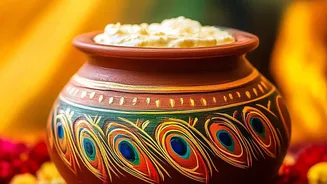
While nearly any dish can be made in a clay pot, some vegetarian Indian classics are particularly well-suited to this method. The slow-simmering process is ideal for lentil dishes like dal or sambar, allowing them to cook to a perfect, creamy consistency while keeping vegetables intact. Layered rice dishes like vegetable biryani or pulao benefit from the even heat and moisture retention, resulting in perfectly fluffy, separate grains. Root vegetables and hearty vegetable stews, such as a village-style kootu, become exceptionally tender and flavourful. Even setting curd in a clay pot can yield a thicker, creamier result.
Eco-Friendly and Sustainable
Beyond its culinary benefits, cooking with clay is an environmentally conscious choice. Clay pots are crafted from natural earth, making them completely biodegradable and free from the synthetic chemical coatings found on many modern non-stick pans. These pots are made by artisans using traditional methods, which helps support local craftsmanship. With proper care, a good quality clay pot can last for years, reducing kitchen waste and your overall environmental footprint.
Getting Started with Earthenware
Before its first use, a new clay pot needs to be seasoned. This typically involves soaking the pot and lid in water for several hours, which strengthens the clay and prevents cracking. After soaking, it's often recommended to boil rice water or a flour-water mixture in the pot, and then lightly coat it with cooking oil. When cooking, always start on low heat and increase it gradually to avoid thermal shock. For cleaning, avoid harsh detergents and metal scrubbers; hot water and a soft brush or a sprinkle of baking soda are usually sufficient.