



The Unbundling Revolution
Airlines, particularly low-cost carriers, have mastered the art of unbundling. This means they strip the ticket down to its most basic element—a seat on the plane—and sell everything else separately. These extras, known as ancillary services, include
everything from checked baggage and seat selection to onboard Wi-Fi and priority boarding. This model allows them to advertise incredibly low initial prices to attract customers. However, once you start adding the services that were once standard, that cheap fare can quickly surpass the cost of a ticket on a full-service airline that includes more amenities from the start.
Beware the Baggage Fees
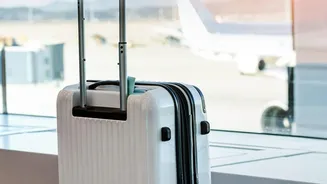
Baggage is the most common and significant additional cost. While a full-service carrier might include one checked bag, a budget airline's base fare often only allows a small personal item that fits under the seat in front of you. Want to bring a carry-on for the overhead bin? That will be an extra fee. Need to check a suitcase? That’s another, often more expensive, fee. These charges can sometimes double the price of the original ticket, especially on round trips. Before booking, travelers must check the airline's specific baggage policy and factor those costs into their comparison.
The Seat Selection Strategy
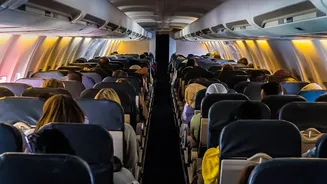
Unless you’re happy to be assigned a middle seat at the back of the plane, you will likely have to pay for seat selection. Airlines generate significant revenue by charging passengers to choose their seat, with prices varying based on location—aisle, window, and extra-legroom seats all command a premium. If you are traveling with family or a partner and want to sit together, paying for seat selection becomes almost mandatory. Some flyers try to avoid this by checking in exactly 24 hours before the flight, when remaining seats are often assigned for free, but it's a gamble.
In-Flight Comforts Come at a Cost
The differences continue once you're on board. Full-service carriers typically offer complimentary drinks and snacks, and on longer flights, a meal may be included. On most low-cost carriers, however, everything from a bottle of water to a bag of pretzels will have a price tag. The same goes for amenities like pillows, blankets, and in-flight entertainment. While these individual costs may seem small, they contribute to the total expense and overall experience of your journey.
Flexibility and Fine Print
Perhaps the most overlooked but critical difference lies in the flexibility of the ticket. Basic economy fares are almost always non-refundable and cannot be changed, even for a significant fee. If your plans change, you could lose the entire cost of your ticket. Standard economy fares on full-service carriers often provide more flexibility, allowing changes for a fee or offering a credit for future travel. Other hidden fees to watch for include charges for printing a boarding pass at the airport, booking over the phone, and even using a credit card to pay.
How to Make a True Comparison
To find the best value, don't just look at the initial fare. Open a spreadsheet or use a notepad and calculate the total cost for each option based on your personal needs. Start with the base fare, then add the realistic costs for your luggage (both carry-on and checked), your preferred seat, and any in-flight services you know you'll want. Compare this a la carte total with the all-inclusive price from a full-service carrier. Often, the ticket that looks more expensive at first glance is actually the better deal once you account for all the necessary extras.