


Mint (Pudina) — The Moisture Lover
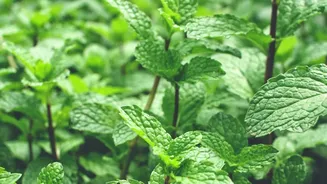
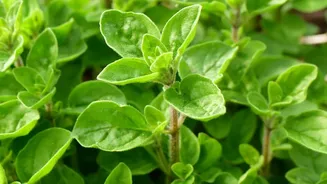
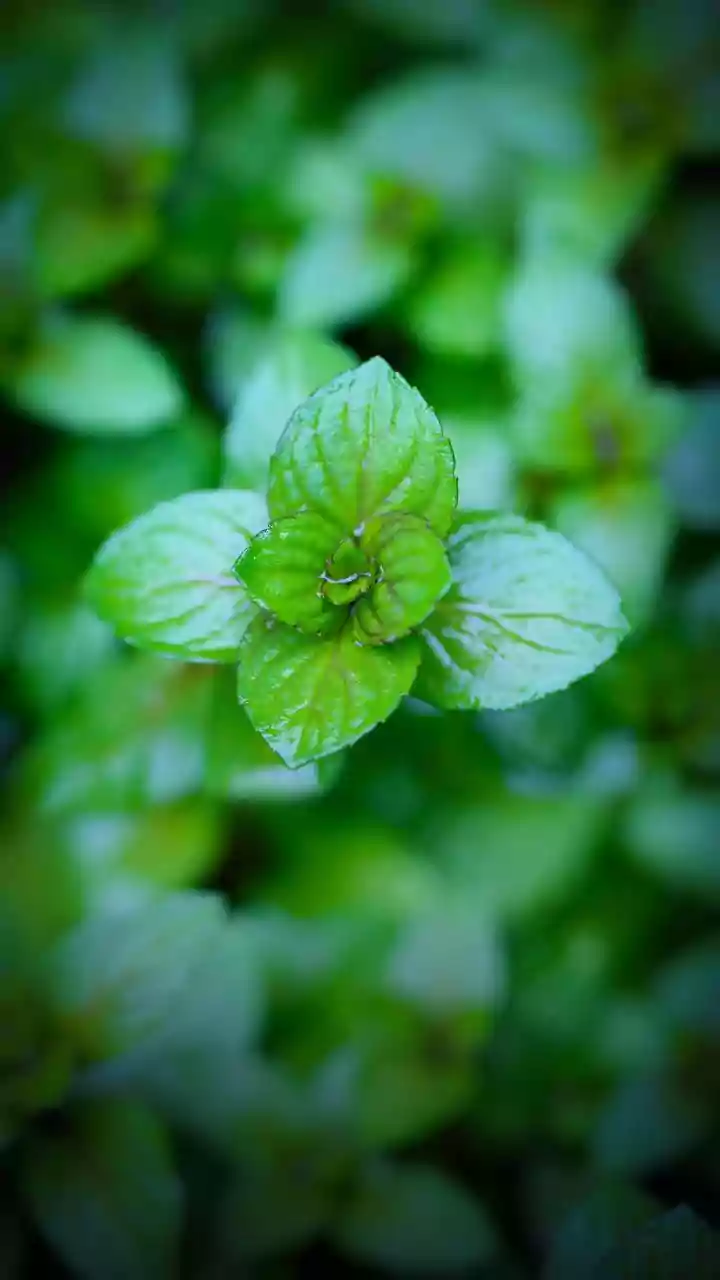
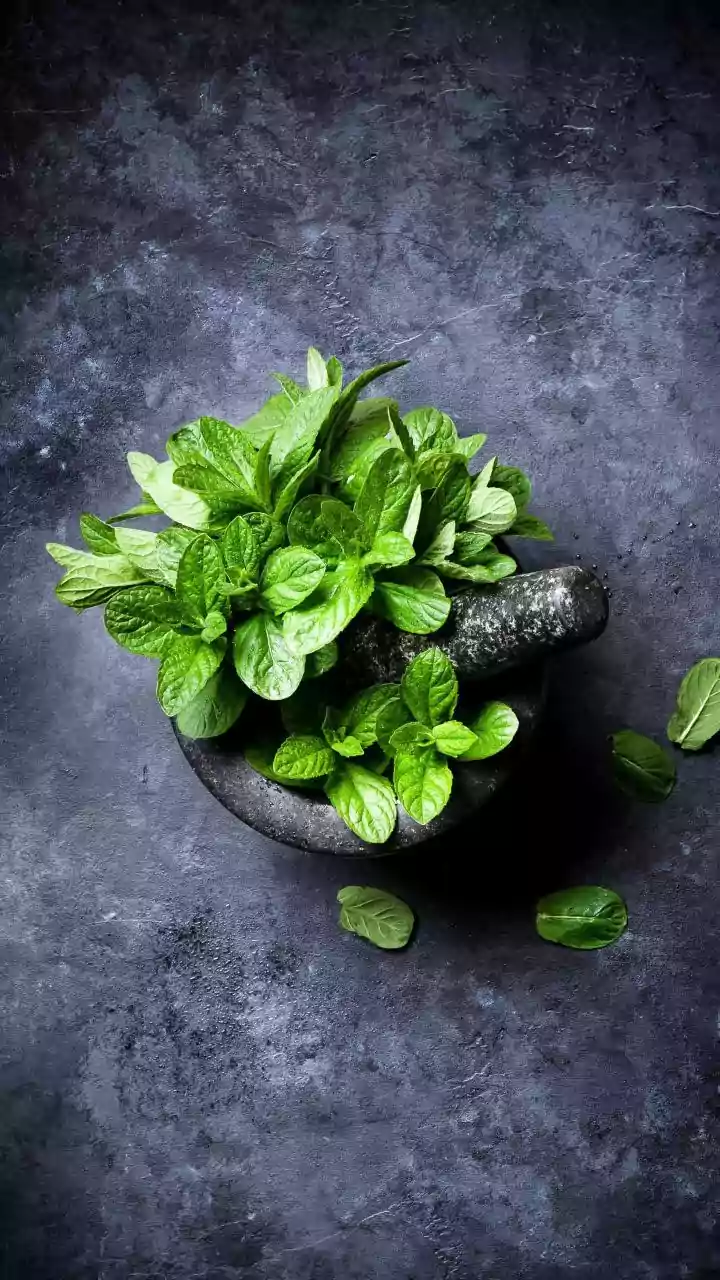
If there is one herb that embodies resilience during the monsoon, it's mint. Pudina loves moist soil and doesn't require direct, harsh sunlight to thrive, making it ideal for balconies that are shaded by clouds or other buildings. It grows aggressively,
so it is best to plant it in its own container to prevent it from taking over other pots. You can easily propagate mint from a healthy cutting from the market. Just place the stem in a glass of water, and within a week or two, you will see roots emerge, ready for planting. During the rains, the high humidity encourages rapid growth, making the leaves incredibly fragrant and perfect for chutneys, teas, and raitas.
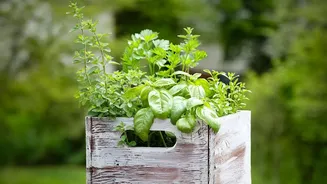
Holy Basil (Tulsi) — The Sacred Staple
Nearly every Indian household with a balcony attempts to grow Tulsi, and the monsoon can be a season of vigorous growth for this sacred plant. While it enjoys the humidity, Tulsi is susceptible to root rot if left in waterlogged soil. The key is excellent drainage. Ensure your pot has plenty of drainage holes and use a well-draining soil mix. Place your Tulsi plant where it can receive a few hours of indirect sunlight but is shielded from heavy, continuous downpours that can damage its leaves. Avoid watering it daily; the rain will likely provide enough moisture. Just check the topsoil, and if it feels dry, then it's time for a drink.
Lemongrass — The Aromatic Guardian
Lemongrass is a hardy, grass-like herb that absolutely flourishes in the wet and humid conditions of the Indian monsoon. Its aromatic citrusy scent is a delight, and it also acts as a natural mosquito repellent, a welcome benefit during the rainy season. Plant it in a deep pot to accommodate its root system. It doesn’t demand full sun and will do just fine with partial, indirect light. The consistent moisture from the rains helps it grow lush and green, giving you a steady supply for flavouring teas, soups, and curries. Regularly trim the leaves to encourage fresh growth and maintain a healthy plant.
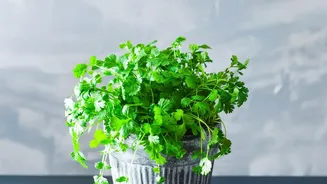
Coriander (Dhania) — The Cool Season Companion
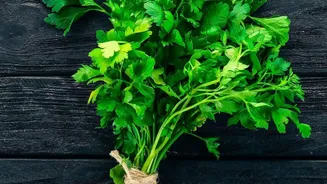
Coriander often struggles in the intense heat of the Indian summer, tending to bolt or flower prematurely. The cooler, overcast days of the monsoon provide the perfect environment for it to produce lush leaves. Grow it in a wide, shallow tray with well-draining soil. While it enjoys the moist conditions, its delicate leaves can be damaged by heavy rainfall, so it's best to keep the pot in a spot that receives light drizzles but is protected from torrential downpours. Good air circulation is also important to prevent fungal issues. With minimal care, you can have fresh dhania ready for garnishing your favourite monsoon snacks.
Essential Monsoon Care for All Herbs
Regardless of which herbs you choose, a few universal rules apply for monsoon balcony gardening. First and foremost is drainage. Ensure every pot has unclogged drainage holes. Elevating pots on stands or bricks can prevent them from sitting in puddles. Use a light, well-aerated soil mix; adding sand or coco-peat helps prevent waterlogging. Second, stop watering manually unless the soil is genuinely dry to the touch. Overwatering is the most common cause of plant death during this season. Finally, be vigilant about pests like slugs and snails that thrive in the damp. A preventative spray of neem oil every couple of weeks can help keep both pests and fungal infections at bay.