


The End of the Itinerary
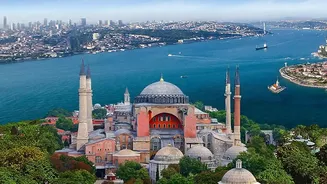
For years, being 'well-travelled' often meant collecting passport stamps and ticking off a list of world-famous sights. Paris wasn't complete without the Eiffel Tower; Agra, a fleeting visit to the Taj Mahal. This approach, however, is being replaced
by a desire for something less structured and more meaningful. Today’s young globetrotters, particularly Gen Z and millennials, are intentionally moving away from this checklist mentality. They are less interested in proving they were somewhere and more focused on what they did there. The trip is no longer about the destination, but the experience. This shift means trading crowded tourist hubs for lesser-known villages, quiet natural spots, and locally-run accommodations that feel more intimate and personal.
In Search of Authenticity
The new currency of travel is authenticity. Young travellers don't just want to see a place; they want to feel and understand it. This has fueled a massive trend towards immersive activities that foster genuine connection. Instead of just dining out, they want to take a cooking class and learn the secrets behind local cuisine. Instead of simply buying a souvenir, they seek out workshops to learn traditional crafts from local artisans. Recent reports show a significant majority of travellers now prioritise these kinds of immersive experiences over traditional sightseeing. This search for authenticity is about personal growth and creating unique memories that can't be replicated. It’s a move from passive observation to active participation.
The Rise of 'Slow Travel'
Hand-in-hand with the search for authenticity is the rise of 'slow travel'. This philosophy rejects the rushed, multi-city-in-a-week holiday, favouring longer stays in a single location. The goal is to absorb the rhythm of daily life, explore neighbourhoods on foot, and build real connections with the local community. This approach not only reduces the stress of a packed schedule but also allows for a deeper, more meaningful cultural understanding. For many young people in India, this trend is taking hold in the form of 'workations' and frequent 'micro-breaks', where they combine remote work with leisure or take shorter, more regular trips to explore a place thoroughly rather than superficially. Data shows a growing interest in farm stays and rural getaways, where travellers can disconnect from the hustle of city life.
How Digital Tools Fuel the Search
It might seem counterintuitive, but the digital age is a key driver behind this quest for the authentic and un-touristy. While platforms like Instagram and TikTok can contribute to over-tourism at specific spots, they are also powerful discovery tools. Young travellers use social media to find unique experiences, off-the-beaten-path destinations, and recommendations from peers rather than promotional content. According to a University of Georgia study, the desire for a positive 'social return'—likes and comments—motivates millennials and Gen Z to seek out and share unique vacation spots. This has created a feedback loop where the hunt for a distinctive, shareable story pushes travellers further away from the conventional tourist trail and deeper into the fabric of a place.
What This Means for Indian Travellers
This global trend is strongly reflected in how young Indians are choosing to travel. The focus is shifting towards planned, thoughtful holidays that prioritise unique experiences. Domestically, there's growing interest in exploring the rich tapestry of India's own culture, from spiritual and wellness retreats to food tourism that dives into local flavours. Event-based travel to attend concerts and cultural festivals is also on the rise. For international trips, convenience and value are key, with a surge in searches for visa-free countries and budget-friendly, experience-rich getaways. The modern young Indian traveller, armed with AI-powered planning tools, is crafting personalised journeys that are less about the destination and more about personal enrichment.