


A Sensory Embrace in Damp Weather
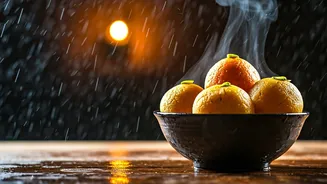
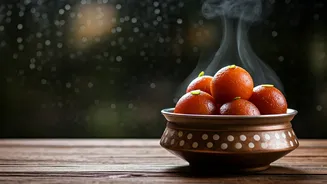
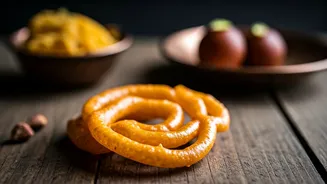
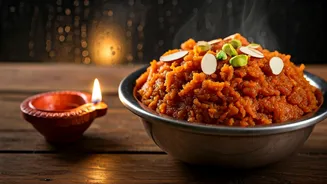
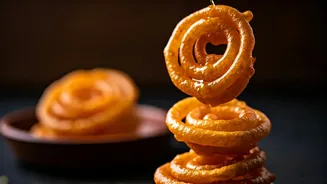
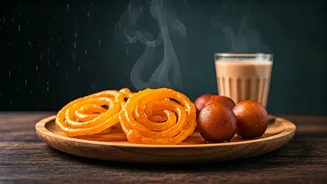
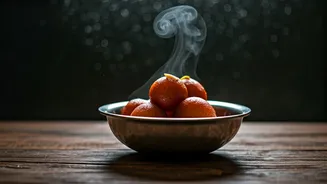
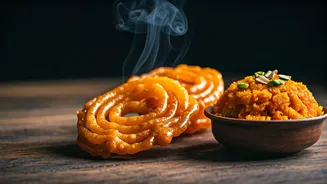
There's a simple, sensory magic at play when you enjoy a hot sweet during a downpour. The cool, damp monsoon weather creates a natural desire for warmth, and holding a plate of steaming hot jalebi or a bowl of rich Gajar ka Halwa provides an immediate,
comforting contrast. [10, 19] The crispiness of a freshly fried sweet offers a satisfying textural break from the surrounding humidity. [4, 19] This physical sensation of warmth and crunch provides a feeling of cosiness and security, a small shield against the gloomy weather outside. [6] It's an experience that engages multiple senses – the sizzle, the sweet aroma, and the eventual warmth that spreads through you with the first bite.
A Taste of Nostalgia and Togetherness
Beyond the immediate sensory pleasure, hot monsoon sweets are steeped in nostalgia. [6, 8] For many, the aroma of a particular sweet—be it the syrupy malpua or the ghee-laden moong dal halwa—is inextricably linked to cherished childhood memories. [8, 10] These are the flavours of family gatherings, of huddling together while watching the rain, and of traditions passed down through generations. [8, 23] Enjoying these sweets is not just about eating; it’s about reliving happy moments and reinforcing cultural connections. [14, 25] The act of preparing and sharing these treats becomes a ritual that strengthens family bonds, turning a simple dessert into a vessel of shared history and affection. [23]
The Science of Cravings
There's also a scientific explanation for our intense monsoon cravings. The lack of sunlight during overcast days can lead to a dip in serotonin, the body's 'happy hormone'. [4, 6] This can leave us feeling a bit low or tired. [8, 17] In response, our bodies crave carbohydrates and sugary foods, as they provide a quick boost to serotonin levels. [4, 6] Furthermore, indulging in these comfort foods can trigger the release of dopamine, a neurotransmitter associated with pleasure and reward, making the experience feel deeply satisfying. [6, 25] The body also demands more energy to stay warm in cooler, damp weather, which can increase appetite for high-energy foods like fried and sweet items. [18]
A Platter of Monsoon Delights
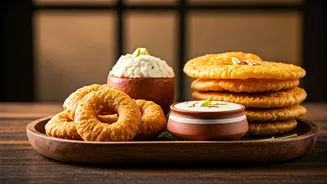
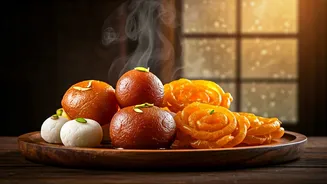
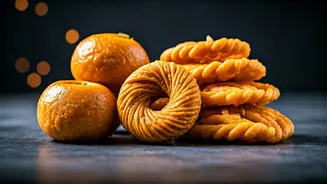
Across India, different regions have their own signature monsoon sweets, each a celebration of local ingredients and traditions. [20] In Rajasthan and Gujarat, the festival of Teej during the monsoon calls for Ghevar, a disc-shaped sweet made of flour and soaked in sugar syrup. [2, 11] In Maharashtra, you might find warm Puran Poli, a sweet flatbread stuffed with lentils and jaggery. [5] Bengal offers Patishapta, delicate crepes filled with coconut or khoya, while the south savours hot Payasam or Kheer. [2, 10] Other beloved classics include the crispy, coiled Jalebi, often paired with rabri; soft Gulab Jamun served warm; and Malpua, the Indian pancake soaked in syrup. [11] Each of these dishes tells a story of its region and its relationship with the rainy season.
The Wisdom of Tradition
Interestingly, many traditional monsoon food practices align with Ayurvedic principles. [13] Ayurveda suggests that the digestive fire, or 'Agni', is weaker during the rainy season due to the damp and cool environment. [9, 15] Therefore, it recommends warm, easily digestible foods. While it cautions against overly heavy or fried items, the emphasis on warmth is key. [3, 9] The use of spices like ginger, cardamom, and cinnamon, common in many Indian sweets, is also encouraged as they are believed to aid digestion and provide warmth. [9, 13] This ancient wisdom understood the body's needs during the monsoon, creating culinary traditions that are not just delicious but also intuitively comforting. [7, 21]