






The New Abnormal at the Mandi
The conversation around food prices in India usually follows a predictable script. A weak monsoon, a transportation strike, or a rise in fuel costs are often cited as the primary culprits for price shocks. While these factors are relevant, they are increasingly
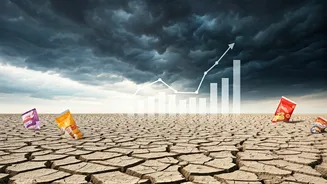
becoming secondary to a much larger, more systemic threat. The recent spikes in vegetable prices are a clear example. Prolonged and intense heatwaves across northwest and central India during the 2026 summer led to significant crop damage, especially for sensitive produce like tomatoes. Reports from May and June 2026 showed vegetable prices surging 30% to 50% higher than the previous year, directly linked to extreme heat causing 'flower drop' and reducing yields. This is not just a seasonal blip; it is evidence of a new, volatile reality where climate shocks are directly translating into price shocks at the local market.
From a Weak Monsoon to Erratic Rains
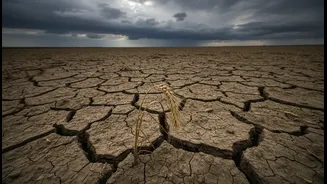
The southwest monsoon, the lifeblood of Indian agriculture, is becoming less reliable. June 2026 began as one of the driest on record, with rainfall deficits of over 40% delaying the sowing of critical kharif crops like rice, pulses, and oilseeds. This has immediate consequences. By late June, paddy acreage was down by 25% and pulses by 30% compared to the previous year. This isn't just about a lack of rain. Climate change also manifests as excessive or unseasonal rainfall. A Reserve Bank of India (RBI) study noted that while insufficient rain in June and July hurts cereals and pulses, too much rain in August and September can devastate oilseeds like soybean. This pattern of extremes—too little rain, then too much—disrupts the delicate agricultural calendar that our food supply depends on, making production unpredictable and fuelling price volatility.
Our Economic Policies Are Outdated
For decades, India has managed food inflation through monetary policy and buffer stock management. The RBI can raise interest rates to cool demand, and the government can release staples like wheat and rice from its reserves to stabilize prices. But these tools were designed for a world of predictable supply and demand shocks. They are becoming ineffective against the root cause of today's problem: climate-driven supply failures. As the RBI itself has noted, frequent and intense weather events are creating persistent inflationary pressures that traditional monetary policy cannot easily solve. When a heatwave decimates a tomato crop or a delayed monsoon reduces rice planting, no amount of interest rate adjustment can bring that supply back. Food inflation, once cyclical, is becoming endemic to our new climate reality.
A Call for Climate-Resilient Agriculture
Viewing food inflation through a climate lens is not about assigning blame; it's about finding sustainable solutions. The current approach is reactive. We need to shift towards building a proactive, climate-resilient agricultural system. This means investing heavily in practices that can withstand climate shocks. This includes promoting the cultivation of drought-resistant crops like millets, which require fewer resources and can thrive in harsh conditions. It also means scaling up climate-smart agriculture, such as improving irrigation efficiency, restoring soil health, and providing farmers with better weather forecasting and crop insurance. Government initiatives like the National Mission on Strategic Knowledge for Climate Change are a start, but they need to be implemented with urgency and at scale, with a clear focus on empowering the small and marginal farmers who are most vulnerable.