

Why November is Prime Time for Wildlife Photography
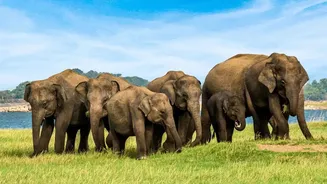
November marks a sweet spot for wildlife travel in India. Most national parks reopen after the monsoon closure, presenting a rejuvenated, green environment. The weather is generally pleasant, with comfortable temperatures that make both morning and afternoon
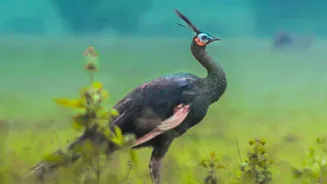
safaris enjoyable. Animals are often more active, and the post-monsoon water bodies attract a variety of species. This month also sees the arrival of migratory birds in many regions, adding to the photographic opportunities. The light is often softer, especially during the 'golden hours' of sunrise and sunset, which is ideal for capturing stunning, atmospheric images.
Top Destinations for Your November Itinerary
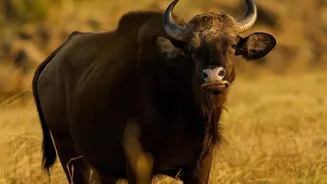
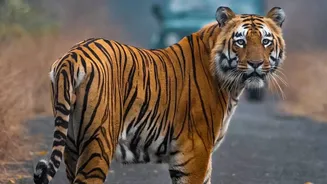
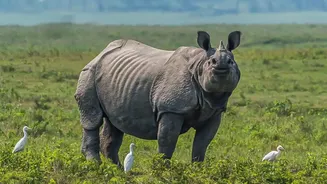
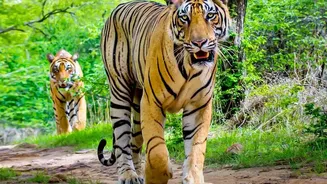
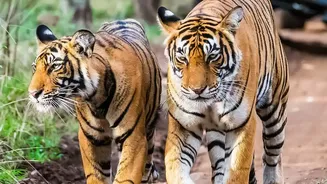
Choosing the right location is key to finding rare fauna. Ranthambore National Park in Rajasthan is a top choice for spotting Bengal tigers, and November offers comfortable weather before the peak winter crowds. For those hoping to see the Asiatic lion, Gir National Park in Gujarat is the only place in the world, and November provides a beautiful, green backdrop. In Assam, Kaziranga National Park, famous for the one-horned rhinoceros, is spectacular post-monsoon, with lush grasslands and active wildlife. Central India also beckons, with parks like Kanha and Bandhavgarh in Madhya Pradesh offering chances to see tigers, leopards, and wild dogs.
Gearing Up: What’s in the Bag?
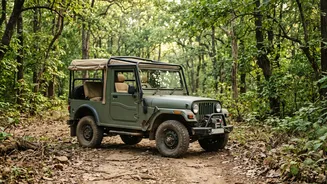
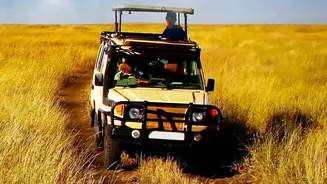
You don't need the most expensive equipment, but the right gear makes a difference. A telephoto zoom lens is essential for getting close-up shots without disturbing the animals; a range like 100-400mm or 150-600mm provides great flexibility. Since safaris often happen in the low light of early mornings and late afternoons, a lens with a wide aperture (a small f-number like f/2.8 or f/4) is beneficial for letting in more light. A beanbag to stabilise your camera on the jeep's railing is often more practical than a tripod. Finally, pack extra batteries and memory cards, as you don't want to be caught out during a rare sighting.
Camera Settings for Capturing the Action
Wildlife is unpredictable, so your camera settings need to be ready for action. Use a fast shutter speed—at least 1/1000s for moving animals like running deer or birds in flight—to freeze motion and ensure sharp images. To achieve this, you may need to increase your ISO, especially in the dark forest undergrowth. Setting your camera to continuous shooting or 'burst mode' allows you to capture a sequence of shots, increasing your chances of getting that perfect moment. Use continuous autofocus (AF-C or AI Servo) to track moving subjects, and focus on the animal's eye whenever possible; a sharp eye creates an emotional connection in the photograph.
The Most Important Skill: Patience and Ethics
Beyond the technical aspects, successful wildlife photography relies on patience and respect. Understanding animal behaviour can help you anticipate moments. For example, knowing a bird might defecate just before taking flight can prepare you for an action shot. Listening to your guide is crucial; they have invaluable local knowledge. Ethical photography is non-negotiable. Always maintain a respectful distance, never use food to bait animals, and turn off camera beeps and flashes. Sudden movements and loud noises can stress an animal, causing it to flee. The goal is to observe and document nature without interfering with it.