


The Magnetic Pull of the Coast
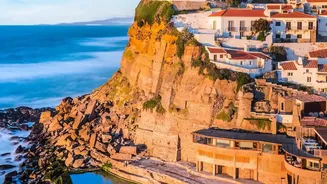
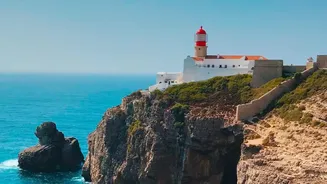
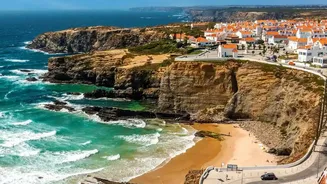
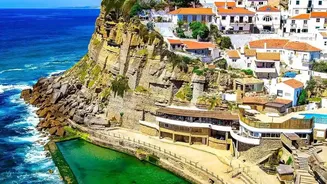
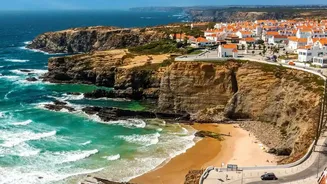
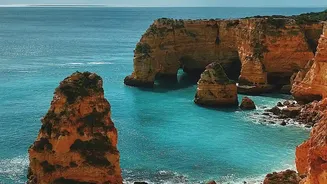
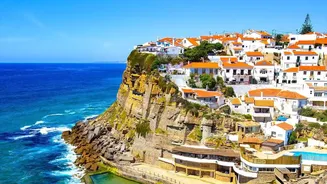
Portugal's identity has been shaped by the Atlantic for centuries. Its coastline is where the nation's story was written in salt and sea, from the Age of Discoveries to the modern tourism boom. Today, the majority of the country's population and economic
activity is concentrated in a relatively narrow strip along the coast. Cities like Lisbon and Porto, and the entire Algarve region, are hubs of development, infrastructure, and international connection. This is the Portugal that is most familiar to visitors: a place of vibrant city life, bustling beaches, and a dynamic, outward-looking culture. The convenience of major highways and railways running along the coast makes it easily accessible, cementing its popularity and driving up prices.
Life Beyond the Shoreline
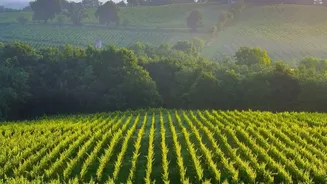
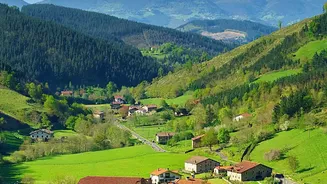
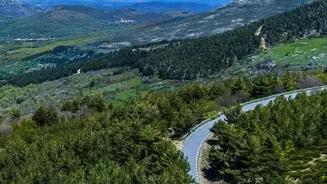
Travel inland, and the landscape and rhythm of life begin to change dramatically. This is a quieter, more traditional Portugal. Regions like the Alentejo, which covers nearly a third of the country with only a fraction of its population, are characterized by immense plains of cork oaks and olive groves. It is a land where time seems to slow, dictated by agricultural seasons rather than tourist schedules. Further north, the Douro Valley presents a different vision of the interior, with its dramatic, terraced vineyards carved into steep hillsides over centuries. This UNESCO World Heritage site showcases a landscape profoundly shaped by human hands for the purpose of winemaking, a tradition that remains the economic and cultural heart of the region.
A Tale of Two Portugals
The contrast between the coast and the interior is not just scenic; it's demographic and economic. For decades, the inland regions have experienced significant depopulation as people, especially the young, moved to the coastal cities or abroad in search of opportunities. This has left many villages with aging populations and a sense of being left behind, a phenomenon sometimes referred to as 'Portugal Vazio' or Empty Portugal. While the coast thrives on a bustling service and tourism economy, the interior has remained largely agricultural. This economic divergence has created stark disparities in wealth, infrastructure, and population density across the country.
The Renaissance of the Countryside
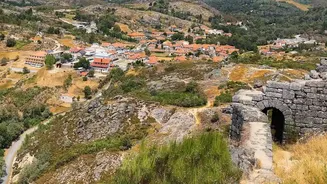
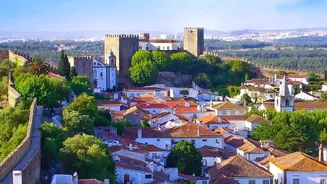
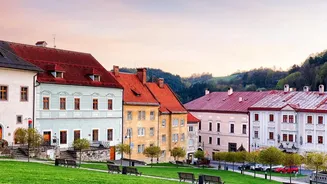
In recent years, a quiet renaissance has begun in the Portuguese countryside. A growing interest in authentic, slow travel is drawing new attention to these once-overlooked regions. Rural and wine tourism are becoming powerful economic drivers, particularly in areas like the Douro Valley, where tourism now accounts for a significant portion of revenue for wine estates. Visitors are increasingly seeking more than just a tasting; they want to participate in the harvest, walk through vineyards, and experience local gastronomy. In other areas, initiatives like the 'Aldeias Históricas de Portugal' are working to preserve and promote a network of twelve historic villages, restoring their unique architecture and developing sustainable tourism. These efforts are helping to create new economic opportunities and are bringing life back to the heartland.
Crafting Your Own Portuguese Journey
Understanding the context of Portugal's two distinct halves allows for a much richer travel experience. A truly comprehensive itinerary combines the energy of the coast with the soul of the interior. You could pair a few days exploring Lisbon with a road trip through the Alentejo, staying in a restored 'herdade' (estate) and exploring whitewashed hilltop towns like Monsaraz or Marvão. Alternatively, after soaking in the culture of Porto, a journey up the Douro River offers a passage into the heart of wine country. Exploring both landscapes reveals the full spectrum of the nation's identity: a country that looks out to the world from its shores while carefully guarding its ancient traditions in its rural core.