





The Troubled Waters of Shillong
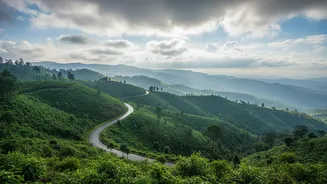
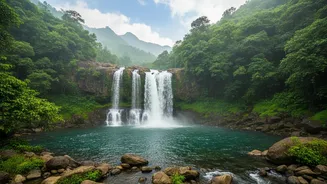
Meghalaya is famed for its natural beauty, including the crystal-clear Umngot river, often cited as one of the cleanest in Asia. However, the state's urban waterways tell a different story. In the capital, Shillong, rivers like the Wah Umkhrah and Umshyrpi
have been struggling with severe pollution for years. Once pristine sources of water, they have become choked with plastic bottles, household garbage, and other urban waste. This pollution not only creates an eyesore but also poses significant environmental and public health risks, contaminating the water that flows downstream towards the larger Umiam Lake. Despite numerous government awareness campaigns and even costly projects like fencing off riverbanks to prevent dumping, the problem has persisted, highlighting a gap between policy and public behaviour.
Paddling for a Purpose
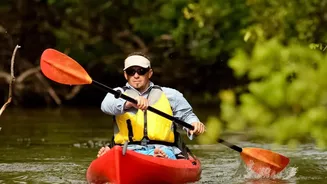
In response to this persistent challenge, a wave of citizen-led action has emerged. Youth groups and environmental organisations have decided to take matters into their own hands, quite literally. One of the most innovative and effective strategies has been the introduction of river-cleaning kayaking tours. Spearheaded by groups like Operation Clean-Up (OCU), which has been active since 2019, and other local bodies, these initiatives combine adventure with activism. The concept is simple yet brilliant: use kayaks to reach inaccessible parts of the river choked with garbage that cannot be reached by volunteers on foot. This allows for a more thorough and effective cleanup, targeting pollution at its source.
How the Cleanup Tours Work
These events are a blend of community service and outdoor adventure. Organisers put out a call for volunteers, attracting students, working professionals, and environmentally-conscious citizens. On the designated day, participants are equipped with kayaks, paddles, life jackets, and tools for collecting trash, such as nets and garbage bags. The groups paddle along stretches of the Wah Umkhrah or its tributaries, pulling plastic waste and other debris directly from the water and hard-to-reach banks. The collected waste is then brought ashore for proper disposal, often in collaboration with the Shillong Municipal Board or other local authorities. These drives are not just about removing existing trash; they serve as powerful, visible statements that capture public attention and media coverage, amplifying the message of conservation.
More Than Just a Cleanup
The impact of these kayaking tours extends far beyond the kilograms of waste removed. For the volunteers, it’s a direct, hands-on experience that fosters a deeper connection with their local environment and a stronger sense of ownership. Seeing the sheer volume of garbage firsthand is often a shocking and motivating experience, turning participants into passionate advocates for change. Furthermore, the initiative serves an educational purpose. It highlights the consequences of improper waste disposal and promotes a culture of environmental responsibility. By making the cleanup process engaging and active, youth groups have successfully mobilized a demographic that is crucial for driving long-term change in the community’s habits and mindset.
The Way Forward
While these community efforts are inspiring, organisers acknowledge they are not a permanent solution. The relentless flow of new garbage means the work is never truly done. The ultimate goal is to change the behaviour that leads to pollution in the first place. Leaders of these movements stress the need for systemic solutions, including better enforcement of anti-littering laws, improved municipal waste management, and sustained public education. The state government has also initiated projects aimed at riverfront beautification and rejuvenation, but as officials themselves admit, such efforts will only succeed if the rivers are clean. The hope is that the visibility and success of the kayaking cleanups will inspire both wider citizen participation and more robust institutional support, creating a comprehensive strategy to restore Shillong's rivers to their former glory.