



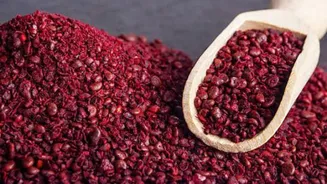

What Is This Crimson-Coloured Spice?
If you’ve ever admired a deep red powder dusted over a bowl of hummus or a Middle Eastern kebab, you’ve likely seen sumac. It’s not a spice blend, but a single ingredient made from the dried and ground berries of the Rhus coriaria shrub, which grows wild
across the Mediterranean and Middle East. For centuries, it has been a cornerstone of the region's cuisine, prized for its beautiful colour and its ability to add acidity. The berries are harvested, dried, and ground into the coarse, crimson powder you find in stores, ready to add a pop of both flavour and colour. It’s important to note that culinary sumac is completely different from poison sumac; they are entirely different plants.
A Familiar Tartness, But Better
The headline gets it right: sumac provides a familiar tart flavour. Most people's first reaction is that it tastes like lemon, and that comparison is fair, but incomplete. Think of sumac as having the bright, zesty notes of lemon but with a softer, rounder acidity and without the sharpness of vinegar. It also carries its own unique character—a subtle fruitiness and a faint earthy depth that lemon juice doesn't have. The biggest difference, and its main advantage in many dishes, is that sumac provides a 'dry' acidity. A squeeze of lemon adds liquid, which can make crispy roasted vegetables soggy or wilt delicate salad leaves. Sumac, on the other hand, adds pure tangy flavour without any extra moisture, keeping textures just the way you want them.
The Perfect Finish for Salads
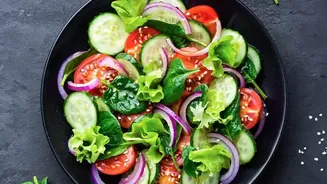
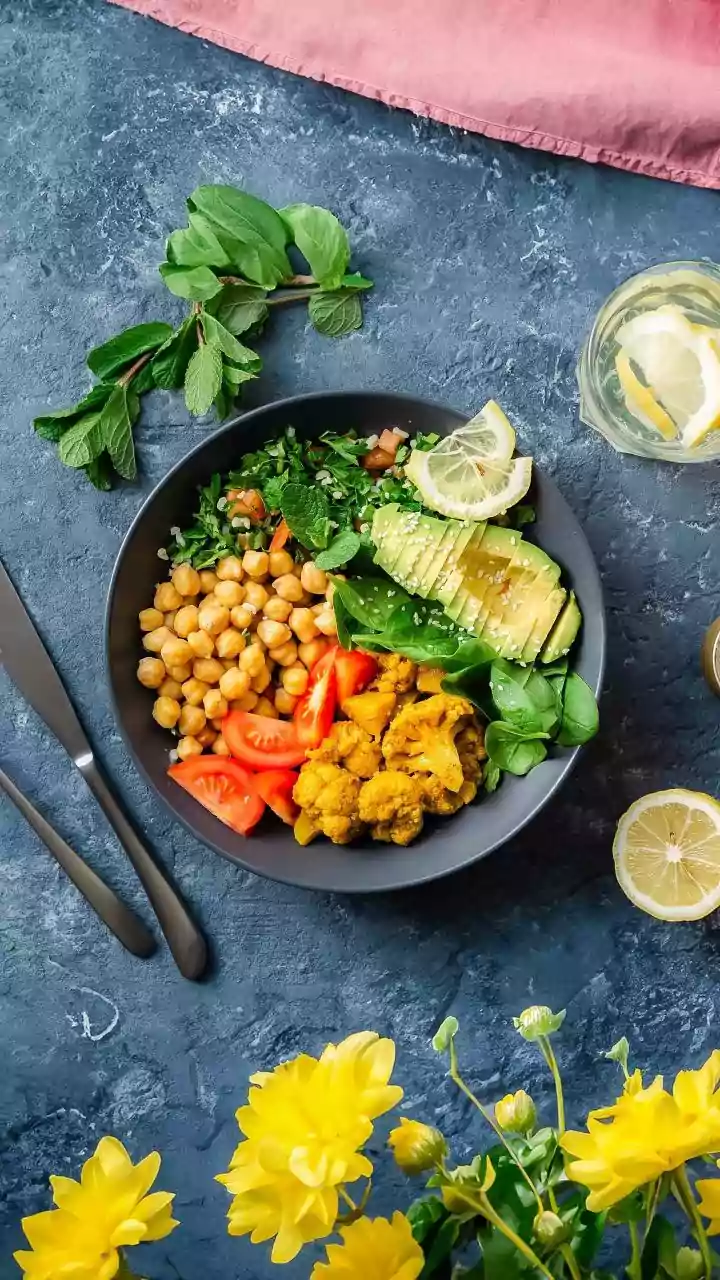
Sumac is a natural partner for fresh salads. Its lemony profile enhances dressings and brings vegetables to life. You can whisk it into a standard vinaigrette with olive oil and a touch of garlic, where it will add complexity and a beautiful pink hue. But one of its best uses is also the simplest: just sprinkle it directly over your finished salad. It’s particularly good on salads with cucumber, tomato, and onion, like a classic fattoush salad. The vibrant colour adds instant visual appeal, while the tartness cuts through the richness of ingredients like feta cheese or avocado, creating a perfectly balanced bite.
Transforming Roasted Vegetables
Roasted vegetables are a staple, but they can become monotonous. Sumac is the perfect way to give them a new lease on life. It pairs exceptionally well with everything from cauliflower and sweet potatoes to carrots and Brussels sprouts. For the best results, toss your vegetables with oil and your other seasonings before roasting, but add the sumac towards the end of the cooking time or, even better, as a finishing spice right before serving. This helps preserve its delicate, bright flavour, which can diminish with prolonged high heat. A final dusting over a tray of caramelised vegetables adds a zesty counterpoint to their sweetness, making them taste brighter and more dynamic.
Beyond the Salad Bowl
While sumac is brilliant on salads and roasted vegetables, its uses don't stop there. It is a key ingredient in the famous Middle Eastern spice blend za'atar, where it's combined with sesame seeds, thyme, and other herbs. It works wonderfully in marinades for chicken, fish, and lamb, where its acidity helps tenderise the meat while imparting flavour. Try sprinkling it over popcorn, avocado toast, or eggs to wake them up. It’s also the traditional finishing touch for dips like hummus and baba ganoush, adding that final, essential layer of flavour and beauty.
A Bonus Pinch of Wellness
Beyond its culinary talents, sumac is also packed with antioxidant compounds, including flavonoids and tannins. These compounds help protect cells from damage and may play a role in reducing inflammation. Some research has explored its potential benefits for blood sugar control and alleviating exercise-induced muscle pain. While more studies are needed, these potential health perks are a wonderful bonus to an already delicious and versatile spice.