





Understand the North-South Divide
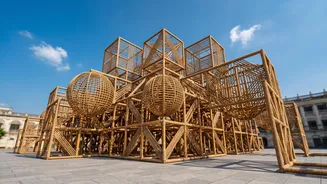
The first step to a balanced pandal-hopping plan is understanding Kolkata's distinct cultural geography. South Kolkata is the land of the theme puja. Here, clubs like Ekdalia Evergreen, Suruchi Sangha, and Badamtala Ashar Sangha compete to create breathtaking,
award-winning pandals that might replicate a Rajasthani palace or a futuristic temple. These are known for their massive scale, artistic innovation, and long queues. In contrast, North Kolkata is the custodian of tradition. It's home to some of the city’s oldest community pujas, such as Bagbazar Sarbojanin, which focuses on the traditional 'ekchala' idol and devotional atmosphere. The lanes are narrower, and the vibe is more intimate. This is also where you will find the ‘Bonedi Bari’ pujas—ancestral celebrations in the city's old aristocratic homes, like the Sovabazar Rajbari. Acknowledging this divide helps you dedicate time and energy to two very different, but equally rewarding, experiences.
Master the Art of Strategic Timing
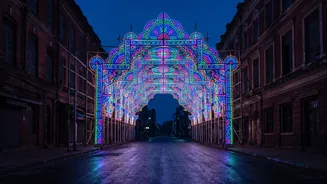
The secret to seeing everything without burning out is timing. Crowds at famous pandals are at their peak between 7 PM and midnight, especially on the days of Saptami, Ashtami, and Navami. To appreciate the artistry of the big-ticket pandals without the endless queues, go early. An expedition starting at 6 AM allows you to see the structures in daylight and take photographs in relative peace. Reserve the late evenings and nights for absorbing the electric atmosphere, when the city is lit up and the streets are teeming with revellers. For local para pujas, any time works, but late evenings are when the neighbourhood 'adda' (chat sessions) are in full swing at places like Maddox Square, offering a cultural immersion that is quintessentially Kolkata.
Create a Hybrid Itinerary
Don’t try to see everything in one day. A smart approach is to dedicate different days or times to different experiences. For example, spend one evening tackling a cluster of famous South Kolkata pandals. The areas around Kalighat, Rabindra Sarobar, and Ballygunge host several big names within walking distance of each other. Use the Kolkata Metro—which runs on an extended schedule during the Pujas—as your primary mode of transport to cover long distances and bypass the notorious traffic jams. On another day, devote yourself to North Kolkata. Get off at Shyambazar or Girish Park metro station and simply walk through the historic lanes. This is where you’ll stumble upon the true local gems.
How to Find the Real Local Pandals
The most cherished pandals are often the ones you won't find on any map. Finding a true 'parar pujo' (neighbourhood puja) requires no special skill, just a willingness to wander. The strategy is simple: get off the main road. Pick a residential area in either North or South Kolkata, and start walking down the smaller lanes. Follow the sound of the dhak (drums), the scent of incense, and the glow of the decorative lights. These smaller pandals are built by and for the local community. The idols are often traditional, the decorations heartfelt, and the atmosphere welcoming. Here, you are not a tourist; you are a guest. People will be happy to share stories, and you might even be invited to partake in the community 'bhog' (food offering).
Pace Yourself and Pack for Comfort
Pandal-hopping is a marathon, not a sprint. You will walk for kilometres, so comfortable footwear is non-negotiable. Kolkata remains hot and humid, even in October, so wear light, breathable fabrics like cotton or linen. Carry a water bottle to stay hydrated and a power bank for your phone, which will be working overtime with navigation and photos. While the street food is tempting, be mindful of hygiene, as quality can dip with the overwhelming demand. Sticking to stalls within pandal premises is often a safer bet. Finally, embrace the chaos. Roads will be closed, crowds will be immense, and plans will go awry. The true spirit of Durga Puja is found not just in seeing the pandals, but in the shared journey of navigating the city with millions of others.