



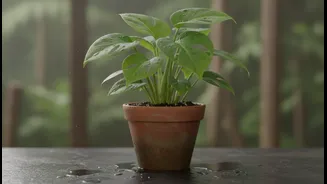


The Monsoon Threat to Potted Plants
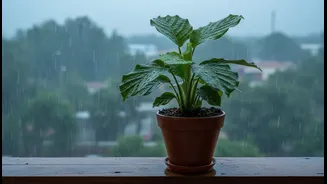
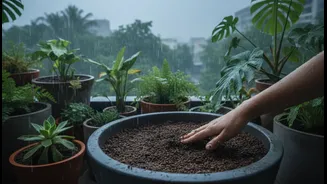
For balcony gardeners, the Indian monsoon is a double-edged sword. While the rain can feel like a blessing, it often creates a perilous environment for potted plants. Unlike plants in the ground, those in containers have limited space for excess water
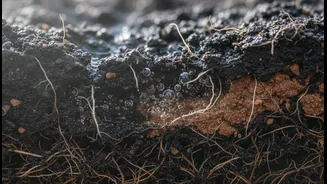
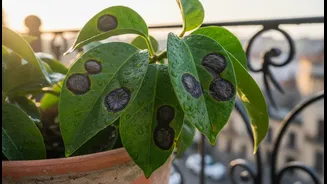
to go. When pots are left standing on flat surfaces during heavy downpours, drainage holes can get blocked or simply can't keep up. This leads to waterlogged soil, a condition where water fills all the air pockets, literally suffocating the roots. Without oxygen, roots can't absorb nutrients and begin to decay, a condition known as root rot. Early signs include wilting despite wet soil, yellowing leaves, and stunted growth.
Why Soggy Soil Attracts Pests
A pot with constantly damp soil is an open invitation for pests, particularly fungus gnats. These tiny, black flies thrive in moist, humid conditions and lay their eggs in the top layer of wet soil. While the adult gnats are a nuisance, flying around your plants and home, the real damage is done by their larvae. These larvae live in the soil and feed on organic matter, fungi, and the delicate root hairs of your plants. This can lead to significant root damage, further weakening a plant that may already be struggling with waterlogged conditions. Improving drainage is one of the most effective ways to break their life cycle, as allowing the topsoil to dry out makes it inhospitable for them to breed.
Elevate Your Pots for Better Airflow
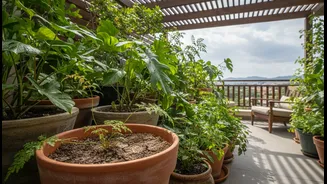
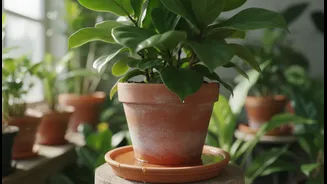
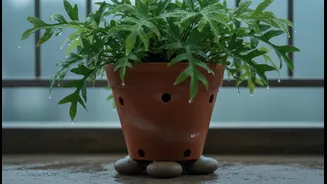
One of the simplest and most effective modifications is to elevate your pots. Leaving containers sitting directly on the balcony floor allows water to pool at the base, blocking drainage holes and preventing air circulation. By lifting the pot even slightly, you create a crucial air gap that allows excess water to drain away freely and helps the soil dry out more evenly. This single change can make a massive difference in preventing root rot. You don't need to buy expensive, purpose-built stands. Many low-cost or free solutions work perfectly. This is a quick fix that addresses the most common cause of waterlogging on hard surfaces like a balcony or patio.
Low-Cost and DIY Pot Feet
Creating your own pot feet is easy and affordable. Simple items from around the house can be repurposed to provide the elevation your plants need. A few flat stones or small, uniform pebbles placed under the pot work well. Old bricks or pieces of broken tile are also great options. Some gardeners get creative with plastic bottle caps or even old wine corks, using three or four to create a stable, elevated base. For a more uniform look, you can use scrap wood pieces or even Jenga blocks. The goal is simply to lift the container off the ground, and almost any small, waterproof object can do the job effectively without any significant cost.
Optimising Drainage Inside the Pot
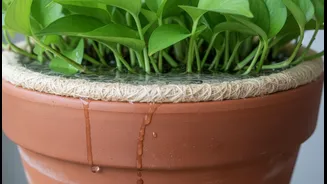
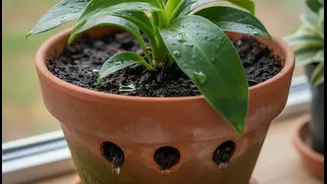
Good drainage starts with the pot itself. Always ensure your pots have drainage holes; it's a non-negotiable feature for healthy plants. To prevent these holes from getting clogged with soil over time, you can cover them with a small piece of mesh screen or a shard from a broken terracotta pot. This allows water to pass through but keeps the soil in. Contrary to popular belief, adding a layer of gravel or rocks to the bottom of a pot does not improve drainage; it actually creates what is called a 'perched water table,' raising the water level and keeping roots wetter. A better approach is to improve the soil itself. Amending your potting mix with materials like perlite, coarse sand, or coco peat can make it lighter and more porous, preventing it from becoming compacted and waterlogged during heavy rains.