






Why Critical Minerals Matter Now
Critical minerals like lithium, cobalt, nickel, and rare earth elements are the building blocks of the modern green economy. They are essential for manufacturing electric vehicle (EV) batteries, solar panels, wind turbines, and advanced electronics. For
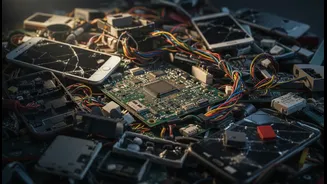
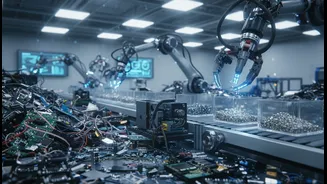
years, India has been heavily reliant on imports for these resources, making its supply chains vulnerable to global disruptions and geopolitical tensions. To achieve its ambitious goals, including net-zero emissions by 2070 and 30% EV penetration by 2030, securing a stable supply of these minerals is non-negotiable. Recycling, often called 'urban mining', offers a powerful solution. It involves extracting these valuable materials from e-waste, spent batteries, and industrial scrap, turning a waste problem into a strategic resource.
Government’s Multi-Billion Rupee Push
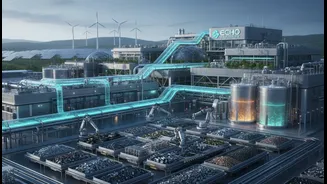
Recognizing the urgency, the Indian government has launched the National Critical Minerals Mission (NCMM). This comprehensive strategy includes boosting domestic exploration, acquiring mining assets overseas, and, crucially, scaling up recycling capabilities. A key component is the ₹1,500 crore Incentive Scheme for Critical Mineral Recycling, designed to kickstart private sector participation. The government has already received commitments for recycling capacity far exceeding its initial targets, signaling robust industry interest. This policy support is creating a fertile ground for innovation and investment, aiming to establish India as a global recycling hub.
For Engineering Students: Skills for a New Sector
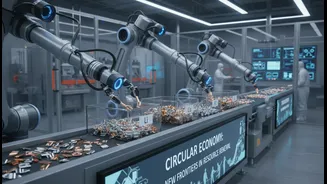
This emerging sector represents a goldmine for engineering students. The demand is surging for professionals with specific expertise. Students in chemical engineering, metallurgy, and material sciences are particularly well-positioned. The industry requires skills in hydrometallurgical and chemical processing technologies to extract minerals from waste streams like 'black mass' from batteries. Universities and technical institutes are beginning to integrate courses on circular economy principles, sustainable innovation, and waste management. Aspiring engineers should seek specializations in energy auditing, renewable energy systems, and circular design to become prime candidates for roles in this burgeoning field. Gaining hands-on experience through internships with recycling startups can provide a significant competitive edge.
For Jobseekers: Where the New Jobs Are
The growth in critical mineral recycling is creating a spectrum of new jobs beyond traditional engineering roles. The establishment of new recycling facilities and Critical Minerals Processing Parks will require plant managers, operators, and environmental compliance officers. There is also a growing need for professionals in supply chain management to handle the collection and logistics of e-waste and industrial scrap. Roles are opening up in research and development at companies pioneering new extraction techniques. Furthermore, digital platforms that connect waste generators with certified recyclers need software developers and business development managers. Job portals are already listing vacancies for e-waste executives, recycling project leads, and circular economy consultants.
For Clean-Tech Businesses: A Sunrise Opportunity
For entrepreneurs and established businesses, the critical minerals recycling sector offers a clear path for growth. The government's incentive scheme explicitly dedicates a significant portion of its funds to support startups and MSMEs. Business opportunities range from setting up advanced lithium-ion battery recycling plants to creating formal e-waste aggregation networks that can supply the feedstock. Startups like BatX Energies, Metastable Materials, and Lohum Cleantech are already making headway. There's also immense potential in developing B2B digital platforms to improve traceability in the supply chain or innovating new, cleaner recycling technologies. By aligning with the principles of a circular economy, businesses can not only access financial incentives but also contribute to India's strategic goal of self-reliance (Atmanirbhar Bharat).