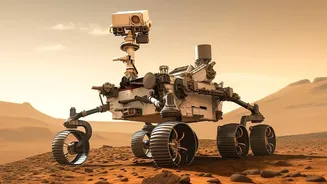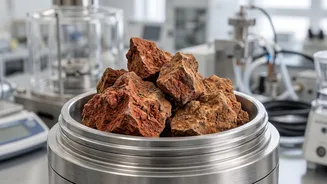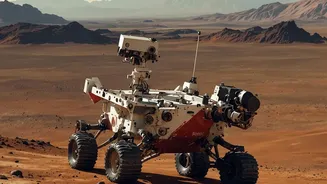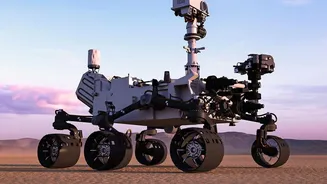



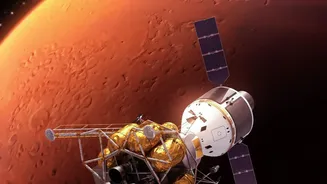
For years, NASA's Perseverance rover has been drilling and storing precious rock samples on Mars, a treasure trove that might hold secrets to ancient life. Now, the agency is hitting refresh on the audacious plan to bring them home.
A Treasure Waiting on Mars
Since its dramatic
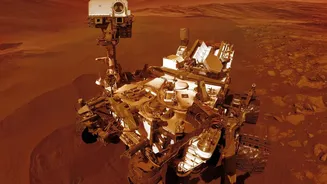
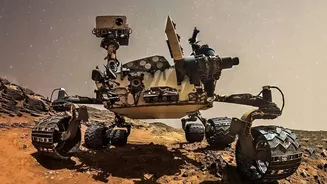
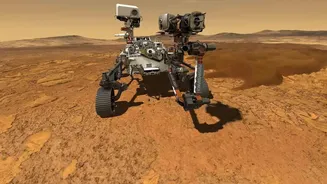
landing in Jezero Crater in February 2021, the Perseverance rover has been performing the first leg of an unprecedented cosmic relay race. Its mission: to collect scientifically compelling samples of Martian rock, soil, and atmosphere. The rover has successfully drilled and sealed dozens of samples in titanium tubes, focusing on an ancient river delta believed to be rich in the kinds of materials that could preserve signs of past microbial life. These aren't just any rocks; they are carefully selected cores of igneous and sedimentary rock that tell a story of Mars' watery past. Some of these tubes have been cached in a depot on the surface, a backup plan named 'Three Forks', while others remain aboard the rover itself, waiting for a ride home.
The Original Grand Plan Hits a Wall
Bringing pieces of another planet to Earth is, unsurprisingly, incredibly complex. The original Mars Sample Return (MSR) mission, a joint effort with the European Space Agency (ESA), was a multi-billion dollar, multi-spacecraft endeavor. It involved launching a lander to Mars, which would then deploy either the Perseverance rover or small helicopters to fetch the samples. Those samples would be loaded into a small rocket, the Mars Ascent Vehicle (MAV), which would blast off from the Martian surface — a historic first. This capsule would then rendezvous with an ESA-built orbiter, which would capture the sample container and fly it back to Earth for a fiery, but safe, landing. However, independent reviews found the plan's complexity led to a ballooning budget, with cost estimates soaring as high as $11 billion and a return date pushed back to 2040. In April 2024, NASA Administrator Bill Nelson deemed this timeline and price tag 'unacceptable', pausing the program to seek a smarter path forward.
A Renewed, More Focused Approach
The headline 'renewed effort' refers to NASA's official pivot announced in late 2026. Instead of proceeding with the costly plan, the agency has initiated a new study called the Perseverance Sample Retrieval Architecture (PSRA). Announced on November 9, 2026, by the director of NASA's Mars Exploration Program, this initiative is a formal reset. Its goal is to develop a faster, more affordable, and less complex mission design. The PSRA strategy team is scheduled to kick off its work in January 2027 and deliver a final report in the winter of 2027-2028, outlining a new framework for retrieving the samples. This involves reviewing all previous lessons and evaluating new capabilities, including options from commercial partners who believe they can do it for significantly less.
What Could the New Mission Look Like?
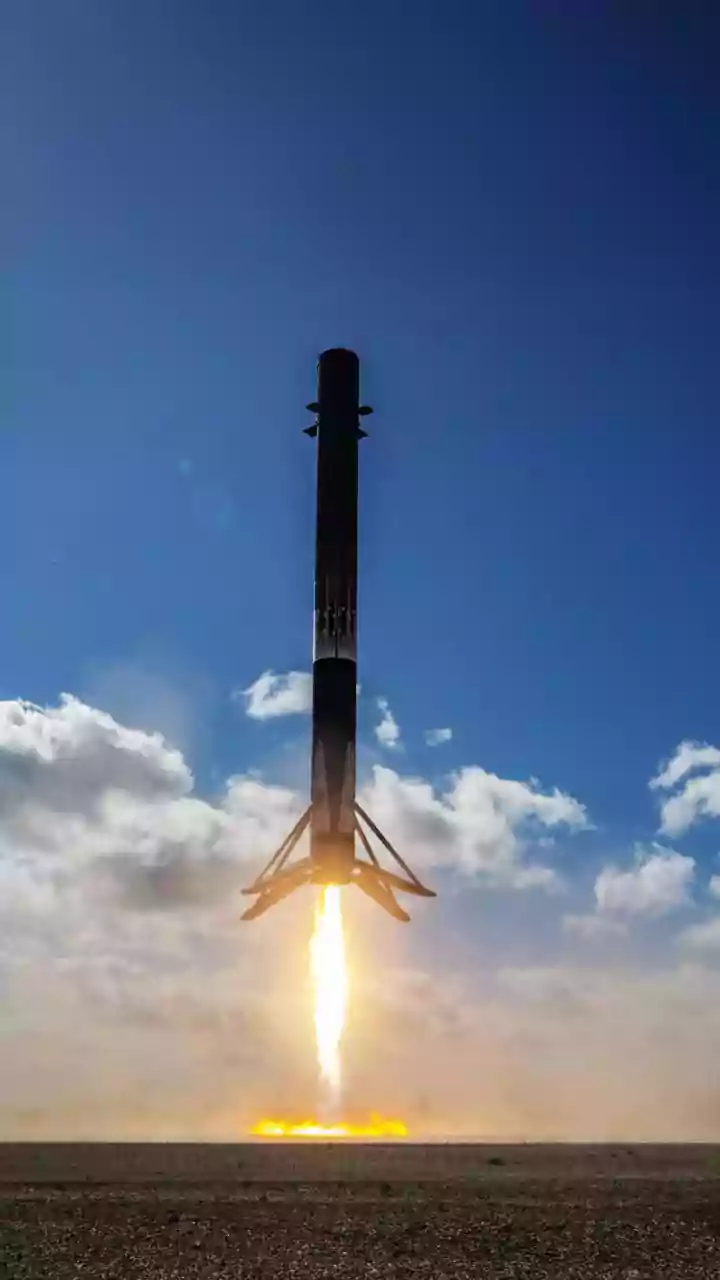
While the final architecture is yet to be decided, the new approach prioritizes simplicity and speed. One of the key changes being considered is scrapping the sample recovery helicopters, now that Perseverance has proven to be a durable and reliable vehicle capable of delivering the samples to a lander itself. NASA is pursuing two parallel paths: one that relies on its own proven 'sky crane' landing technology, and another that could leverage a heavy lander from a commercial provider like SpaceX or Blue Origin. By simplifying the mission and potentially partnering with the private sector, NASA hopes to bring the return timeline back into the mid-2030s and cut billions from the cost. The European Space Agency remains a key partner, expected to provide the Earth Return Orbiter that will catch the samples in Mars orbit and bring them home.
Why It's a Scientific Holy Grail
The urgency and immense effort are for one reason: these samples could rewrite our understanding of the solar system. While rovers can perform amazing science on Mars, the instruments are limited by size and power. Bringing pristine samples back to Earth would allow scientists to analyze them with the full power of our planet's most advanced laboratories. They could search for definitive biosignatures, or signs of life, and unlock precise details about Mars' geological history and climate evolution. Answering the question of whether life ever arose on another planet is one of the most profound goals of science. The pressure is also on as other nations, notably China, are moving forward with their own ambitious Mars sample return missions, aiming for a return as early as 2031.